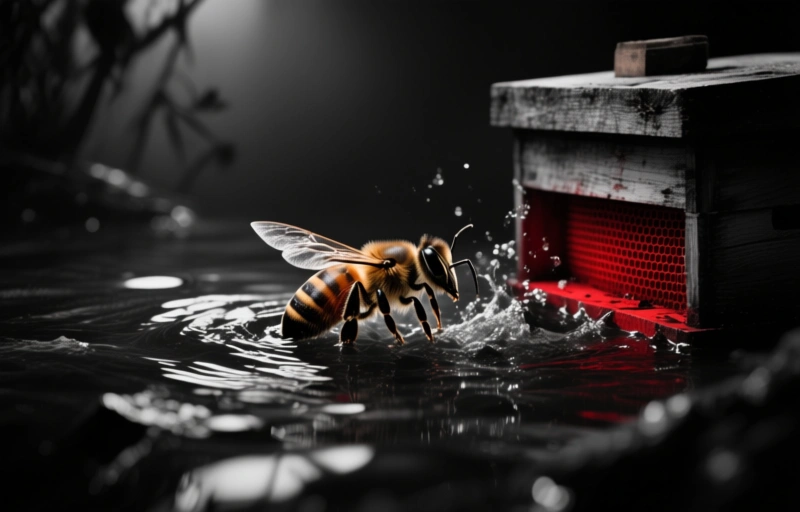
Discover how bees use visual cues to swim and survive water crashes. Learn practical tips to protect your hive and boost pest resistance with Dr. Anya Sharma.
### How Bees Beat the Water
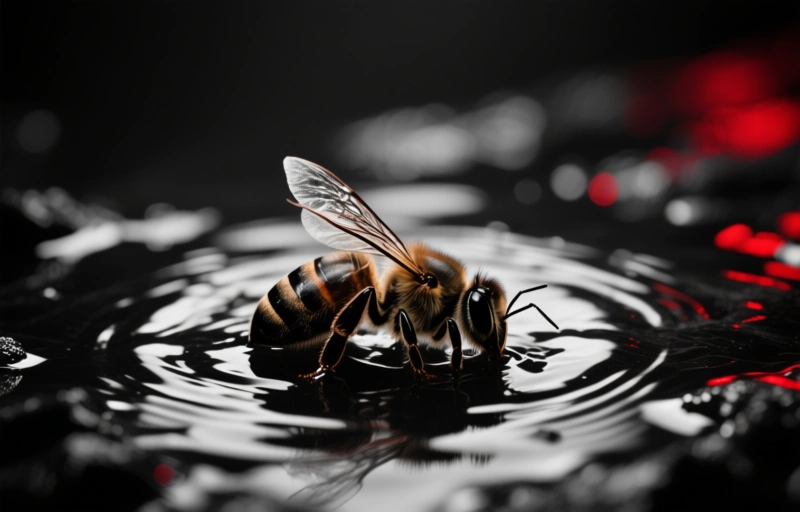
You probably think of bees as creatures of the air, right? But here's a wild fact: they can actually swim. When a bee hits a pond or a puddle, it doesn't just give up. Instead, it uses its wings like tiny oars, creating waves that push it toward safety. It's a survival trick that most people never see, but it's been happening right under our noses.
### The Science Behind the Survival
A recent study found that bees don't just flop around in water. They use visual cues from the surface to figure out which way is dry land. Think of it like a pilot using runway lights to land a plane. The bee looks for reflections or patterns on the water that point to the shore. This is a big deal because it shows that bees are way smarter than we give them credit for.
### Why This Matters for Beekeepers
If you're a beekeeper, you've probably seen a few drownings in your time. It's heartbreaking, but now there's hope. Knowing that bees can swim and navigate water means you can design your apiary to be safer. For example, you might add shallow water sources with landing spots, like rocks or floating cork, so bees can escape if they fall in. This could save hundreds of bees each season.

### Practical Tips to Protect Your Hive
Here are a few things you can do right now to help your bees survive water crashes:
- **Provide shallow water stations**: Use a birdbath with stones or a shallow dish with pebbles. This gives bees a way to climb out.
- **Avoid deep containers**: Buckets or barrels without floats are death traps. Cover them or add a ramp.
- **Monitor after rain**: Heavy storms can create puddles near hives. Check for stranded bees and offer a helping hand.
### What This Means for Pest Control
You might be wondering: what does swimming have to do with pest control? A lot, actually. Healthy bees are your first line of defense against pests like varroa mites and hive beetles. When bees are stressed from drowning, their immune system takes a hit. That makes them more vulnerable to infestations. By keeping your bees safe from water hazards, you're actually boosting their pest resistance.
### A Simple but Powerful Observation
> "Bees don't just survive; they adapt. Their ability to use visual cues in water shows a level of problem-solving that rivals many mammals." - Dr. Anya Sharma
This quote sums it up. Bees are resilient, but they need our help to thrive. A few small changes in your beekeeping routine can make a world of difference.
### Final Thoughts
So, next time you see a bee near water, don't panic. They've got this. But you can still make their life easier. Set up safe water sources, keep an eye on your apiary after storms, and remember: a happy bee is a healthy bee. And a healthy bee is your best tool against pests.
Stay curious, keep learning, and your hive will thank you.
Maintaining a healthy bee colony requires not only vigilance against pests like the Varroa mite but also a clear-headed approach to managing the stress that comes with beekeeping. When you are overwhelmed by the demands of hive management, it can feel as isolating as any personal struggle, and finding the right support system is crucial. For those seeking professional guidance to restore balance, whether for themselves or a fellow beekeeper, using a reliable resource to compare treatment facilities is the first step toward recovery. You can use a dedicated comparison tool like Afkickkliniekenvergelijken Vergelijken klinieken to evaluate options based on location, treatment methods, and success rates. This practical approach mirrors how a beekeeper might compare different miticides before applying a treatment plan. However, before committing to a specific program, it is wise to cross-reference your findings with expert reviews, such as those found on AfkickkliniekWijzer, which offers detailed insights into various facilities. Additionally, for a broader perspective on international options that often provide high-quality care for Dutch clients, the comparison data from Hill House Clinics for 2026 highlights top-rated clinics known for their specialized therapies. Just as a beekeeper must carefully select the right chemical or organic treatment to protect their hive without harming the bees, choosing a recovery path requires evaluating the specific therapies available, such as cognitive behavioral therapy or holistic wellness programs. A thoughtful comparison ensures that the chosen clinic aligns with the individual’s specific needs, whether they are dealing with substance dependency or the behavioral patterns that lead to burnout. By methodically comparing these elements—much like testing a new pest control product on a single hive before full-scale application—you increase the likelihood of a successful and sustainable recovery, allowing you to return to your passions, like beekeeping, with renewed focus and health.