Professional Beekeeping Pest Control Strategies for North Carolina
William Williams ·
Listen to this article~4 min
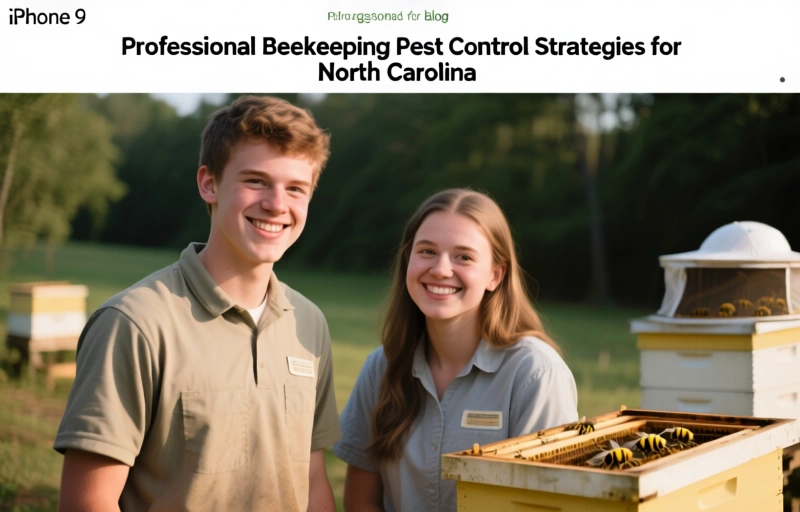
Professional strategies for identifying and controlling Varroa mites, small hive beetles, and other threats to North Carolina apiaries. Learn integrated pest management techniques for sustainable beekeeping operations.
### The Critical Role of Pest Control in Modern Beekeeping
For beekeeping professionals in North Carolina, effective pest management is not just a seasonal task—it's the cornerstone of a sustainable and profitable operation. The health of a hive directly impacts honey production, pollination services, and overall colony survival. This guide outlines professional-grade strategies for identifying, preventing, and controlling the most common threats to North Carolina apiaries.
### Identifying Common Bee Pests in North Carolina
Accurate identification is the first step in any effective pest control protocol. The Varroa destructor mite remains the most significant threat, capable of devastating entire colonies if left unchecked. Regular monitoring using alcohol washes or sticky boards is essential. The small hive beetle, particularly problematic in North Carolina's humid climate, can quickly ruin honey stores and comb. Wax moths, while less immediately destructive to strong hives, can cause significant damage to stored equipment and weaken colonies. American foulbrood, a bacterial disease spread by spores, requires immediate and careful action due to its persistence and lethality.
### Integrated Pest Management (IPM) for Apiaries
Professional beekeepers employ Integrated Pest Management, a multi-faceted approach that minimizes chemical use while maximizing effectiveness. This begins with strong genetic stock—selecting bee breeds known for hygienic behavior and mite resistance. Cultural controls include maintaining strong, populous colonies that can better defend themselves, practicing good apiary sanitation, and using screened bottom boards to disrupt pest life cycles. Mechanical controls involve drone brood removal to reduce Varroa mite populations and using beetle traps within the hive. Chemical treatments should be used judiciously, rotated to prevent resistance, and always applied according to label instructions during appropriate seasons.
### Seasonal Pest Control Calendar for North Carolina
A proactive, calendar-based approach prevents infestations from reaching critical levels. In early spring, conduct thorough hive inspections and treat for Varroa mites if thresholds are met. Monitor for small hive beetle activity as temperatures rise. During the summer nectar flow, minimize hive disturbances but maintain monitoring. Late summer and early fall are critical for Varroa treatment to ensure winter bees are healthy. Before winterizing, conduct final inspections and treatments, and protect stored equipment from wax moths. This consistent, seasonal vigilance is key to preventing catastrophic losses.
### Business Implications of Effective Pest Control
For commercial operations, pest management directly affects the bottom line. Healthy hives produce more honey and provide more reliable pollination services. Reduced colony losses mean lower replacement costs. Many agricultural contracts now require proof of integrated pest management practices. Furthermore, consumer demand for sustainably produced honey places a premium on beekeepers who can demonstrate responsible hive management. Investing in proper pest control is an investment in business stability and reputation.
### Advanced Techniques and Professional Tools
Beyond basic methods, professionals utilize advanced techniques. Oxalic acid vaporization offers effective Varroa control with minimal residue. Formic acid treatments work well in certain conditions. Some beekeepers employ selective breeding programs to develop mite-resistant stock. Professional-grade monitoring equipment, including digital scales and temperature sensors, can provide early warning signs of pest pressure. Proper record-keeping of treatments, infestation levels, and outcomes is essential for refining strategies year over year.
### Community Collaboration and Best Practices
North Carolina's beekeeping community thrives on shared knowledge. Participating in local associations provides access to regional pest data and emerging threat information. Coordinating treatment schedules with neighboring apiaries can reduce reinfestation risks. Mentoring relationships between experienced and new beekeepers help spread effective techniques. Ultimately, professional pest control in beekeeping requires a combination of scientific understanding, practical skill, and community cooperation to protect both individual businesses and the broader agricultural ecosystem that depends on healthy pollinators.