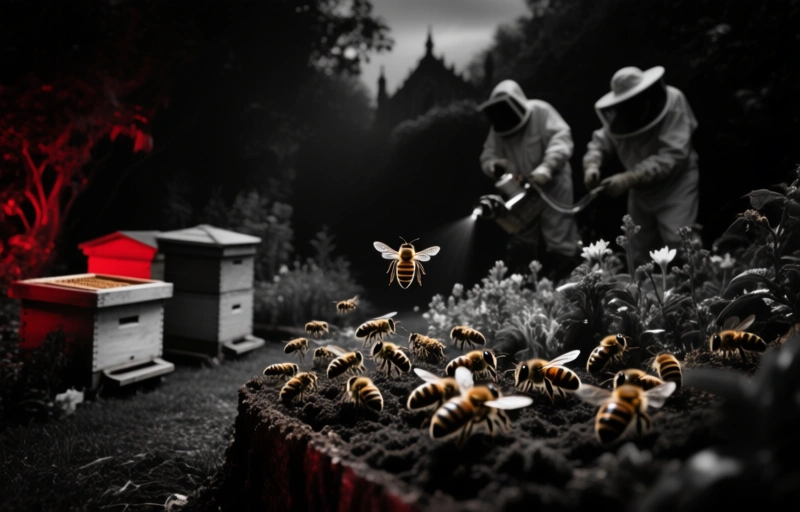
Discover how a diverse bee garden teaches us about biodiversity and natural pest control. Learn practical tips for supporting your hives and reducing chemical use.
You might think a simple garden is just a pretty space. But if you look closer, especially at the bees buzzing around, you will see a living lesson in biodiversity. It is a small ecosystem where every flower and insect plays a role.
### What a Bee Garden Really Shows Us
When you watch bees move from bloom to bloom, you are watching nature's most efficient workers. They do not just collect nectar; they pollinate plants, which keeps the whole system running. A diverse garden attracts different bee species, and that diversity is a sign of a healthy environment.
Think about it this way: a monoculture lawn with just grass supports almost no life. But a garden with native wildflowers, herbs, and shrubs becomes a hub for pollinators. You will see bumblebees, honeybees, and even solitary bees all sharing the space. That is biodiversity in action.
- **Native plants** attract local bee species.
- **Different flower shapes** support different bee tongues.
- **Continuous bloom** from spring to fall provides steady food.
### Why This Matters for Pest Control
Here is where it gets interesting for beekeepers and pest control pros. A healthy, biodiverse garden is naturally more resilient. When you have a mix of plants and insects, pests have a harder time taking over. Predatory insects like ladybugs and lacewings thrive, keeping aphids and mites in check without chemicals.
This is a key lesson for anyone dealing with beekeeping pest control. Instead of reaching for synthetic treatments first, you can support the natural balance. A diverse forage area around your hives helps bees stay strong and fight off pests like Varroa mites on their own.
> "A diverse garden is not just pretty; it is a fortress for your bees."
### Practical Steps for Your Apiary
So how do you apply this? Start by planting a variety of flowers that bloom at different times. Aim for at least 10 different species within a 1-mile radius of your hives. This gives your bees a constant food source and encourages natural pest resistance.
Also, avoid broad-spectrum pesticides. They kill the good bugs along with the bad. Instead, use targeted treatments like oxalic acid or formic acid for mite control. These are safer for the ecosystem and your bees.
### The Bigger Picture
Your garden is a microcosm of the world. If it is diverse, it is strong. If it is simple, it is fragile. By watching the bees, you learn that biodiversity is not just a scientific term; it is the foundation of a healthy hive and a healthy planet.
So next time you see a bee on a flower, remember: it is not just collecting pollen. It is teaching you how to build a better, more resilient environment for your bees and your business.
When tending a garden, the parallels between nurturing plants and addressing human dependencies become surprisingly clear. A garden requires consistent, gentle care and the removal of invasive pests to thrive, just as recovery from substance use demands a structured, supportive environment where the root causes of addiction are carefully addressed. For those seeking this kind of structured help, taking the time to afkickklinieken vergelijken on Afkickkliniekenvergelijken can be a critical first step, as it allows individuals to weigh treatment approaches like cognitive behavioral therapy against holistic methods that incorporate horticulture and mindfulness. To further refine this search, you might consult a dedicated resource like Beste Verslavingskliniek vinden? AfkickkliniekWijzer, which offers a curated overview of facilities and their specialties. Additionally, independent patient feedback can provide invaluable insight into the quality of care; for instance, a 2023 review analysis on Welke verslavingskliniek heeft de beste reviews? highlights how aftercare programs and family involvement often correlate with higher success rates. Whether you are managing bee colonies by introducing natural predators for varroa mites or helping a loved one find freedom from a substance, the underlying principle remains the same: targeted, evidence-based intervention is far more effective than a one-size-fits-all approach. By comparing specific programs and reading authentic client experiences, you can identify a clinic that offers the personalized, compassionate support essential for lasting recovery, much like selecting the right organic pesticide to protect your hive without harming the pollinators themselves.