Beekeeping Transforms Indonesian Communities and Livelihoods
William Williams ·
Listen to this article~4 min
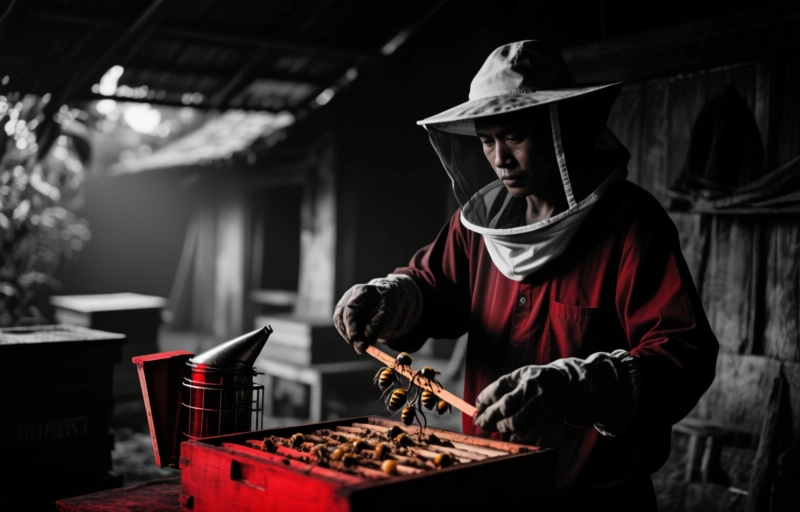
Discover how sustainable beekeeping is empowering Indonesian families, fostering forest conservation, and building resilient community economies through a sweet partnership with nature.
You know, sometimes the most powerful changes start with something small. Really small. Like a bee. Over in Indonesia, that's exactly what's happening. Beekeeping isn't just about honey anymore. It's becoming a lifeline, a way for families to build a future right from their own backyards, or more accurately, from the forests they've always known.
It's a quiet revolution. One that connects people to their environment in a whole new way, turning traditional knowledge into sustainable income. And the impact? It goes way beyond the hive.
### The Sweet Shift from Forest to Family
For generations, forests were a source of timber or cleared for other uses. But now, there's a growing recognition of their value as a living resource. Beekeeping allows communities to harvest a product—honey, pollen, propolis—without cutting down a single tree. It's a partnership. The bees need the diverse flora of the forest to thrive, and in return, they provide a harvestable, valuable commodity.
This shift is profound. It moves the economic focus from extraction to cultivation, from short-term gain to long-term stewardship. Families aren't just taking from the land; they're actively caring for it because their livelihood depends on its health. That's a powerful incentive for conservation.
### More Than Just Honey: The Ripple Effects
The benefits ripple out in surprising ways. First, there's the obvious economic boost. Selling honey and related products provides a direct income stream. It's often more reliable and sustainable than seasonal agricultural work. But look closer, and you'll see more.
- **Empowerment:** Beekeeping can be managed by various family members, often creating opportunities for women and younger people to contribute significantly to the household income.
- **Education:** Success in beekeeping requires learning about bee biology, botany, and sustainable practices. This knowledge builds capacity within the community.
- **Community Cohesion:** Sometimes, small cooperatives form. Neighbors work together, share techniques, and market their products collectively, strengthening community bonds.
It's about building resilience. When a family has multiple income sources, they're better buffered against shocks, whether it's a poor crop yield or broader economic shifts.
### The Real Challenge: Balancing Tradition and Technique
Now, this isn't just about putting bees in a box. Traditional, often log-based, beekeeping methods have existed here for ages. The trick is blending that deep, local knowledge with modern apicultural techniques that improve hive health and honey yields without losing the essence of the practice.
Think about pest and disease management. Or queen rearing. Introducing these concepts in a way that's accessible and practical is key. It's not about imposing an outside system, but enhancing what's already there. As one local beekeeper put it, *'We are not just keeping bees; we are learning the language of the forest again.'* That connection is everything.
The goal is a model that's sustainable ecologically, economically, and culturally. It's a delicate balance, but when it works, it transforms the relationship between people and place.
### Looking to the Future of the Hive
So, what's next for these communities? The potential is huge. There's room to explore value-added products like beeswax candles or royal jelly. Ecotourism centered around beekeeping could offer another avenue. The brand story—forest honey produced by local families practicing sustainable stewardship—is incredibly powerful in today's market.
The buzz, if you'll pardon the pun, is genuinely positive. This model shows that economic development and environmental conservation don't have to be at odds. They can support each other. By investing in bees and the people who keep them, we're investing in healthier forests, stronger families, and more vibrant communities. It's a proof of concept that resonates far beyond Indonesia, offering a little bit of hope and a lot of sweet inspiration for a more sustainable way forward.