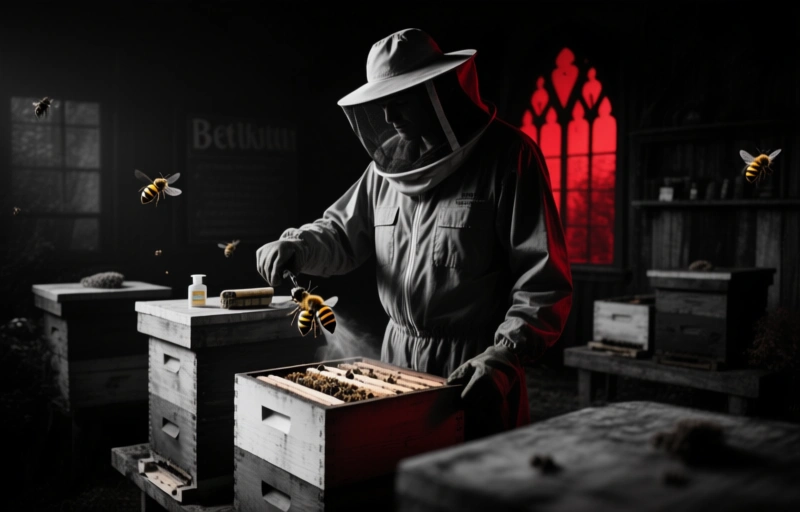
A beekeeping school is helping veterans find new careers and purpose. Learn how this program teaches hive management, pest control, and business skills to build a sweet future.
When veterans return to civilian life, finding a meaningful career path can be tough. But one program is offering a sweet solution: beekeeping. A new beekeeping school is teaching veterans the ins and outs of apiculture, giving them skills that go far beyond just honey production. It's a chance to work with nature, build something from the ground up, and find a new sense of purpose.
### Why Beekeeping Works for Veterans
You might wonder why beekeeping is such a good fit for veterans. It's not just about the honey, though that's a nice perk. Beekeeping requires patience, discipline, and attention to detail. These are traits that many veterans already have from their military service. It also offers a calm, focused environment that can be therapeutic. Working with bees forces you to slow down and be present, which can be a huge help for those dealing with stress or PTSD.
Here are a few reasons why this program is so effective:
- **Structure and Routine:** Hives need consistent care, which gives veterans a daily schedule.
- **Hands-On Learning:** You learn by doing, not just reading a manual.
- **Community:** Veterans work together, building camaraderie and support networks.
- **Economic Opportunity:** Honey, beeswax, and pollination services can all generate income.
The program isn't just a hobby class. It's a serious vocational training course that covers everything from hive management to pest control and marketing your products.
### The Skills You'll Learn
The curriculum is designed to be practical and thorough. You won't just learn how to keep bees alive. You'll learn how to help them thrive. Topics include:
- **Hive Inspection:** How to check for disease, pests, and queen health.
- **Pest Control:** Managing mites, beetles, and other threats without harsh chemicals.
- **Harvesting:** Extracting honey and processing beeswax safely.
- **Business Basics:** Pricing your products, finding customers, and managing finances.
One of the most valuable parts is the focus on sustainable practices. Veterans learn how to keep bees healthy year-round, even through harsh winters. This includes feeding strategies, insulating hives, and preventing moisture buildup.
### A New Start for Veterans
For many veterans, this school is a lifeline. It offers a path that doesn't require a four-year degree or a corporate job. You can start small, with just a few hives in your backyard, and grow from there. The program also connects graduates with mentors who can help them launch their own beekeeping businesses.
> "This program gave me a reason to get up in the morning," one veteran shared. "It's not just about the bees. It's about finding a community and a purpose again."
The cost of the program is often covered by grants or veteran benefits, making it accessible to anyone who's served. And the potential earnings are real. A single healthy hive can produce 60 to 100 pounds of honey per year, which sells for $10 to $15 per pound at local farmers' markets. That's $600 to $1,500 per hive, just from honey alone. Add in beeswax candles, lip balms, and pollination services, and the income can really add up.
### How to Get Involved
If you're a veteran interested in beekeeping, the first step is to find a local program. Many states have beekeeping associations that offer scholarships or training for veterans. You can also check with the VA or local agricultural extension offices. Some programs even provide the equipment you need, like hives, suits, and tools, so you don't have to invest a lot upfront.
It's important to start with the right gear. A good bee suit, gloves, and a smoker are essential. You'll also need to choose the right location for your hives. They need full sun, shelter from strong winds, and access to water. A spot near flowering plants is ideal.
### The Bigger Picture
Beekeeping isn't just a job. It's a way to contribute to the environment. Honeybees are crucial pollinators, and their populations are declining. By becoming a beekeeper, you're helping to support local ecosystems and food production. It's a small act with a big impact.
For veterans, this program is more than a career change. It's a chance to heal, connect, and build something lasting. The skills you learn can last a lifetime, and the honey you produce is just the beginning.
Beekeeping offers a path toward purpose and structure for many veterans transitioning to civilian life, and managing hive health is central to that new career. When facing challenges like Varroa mites or American foulbrood, keepers must choose between chemical miticides and organic treatments such as formic acid or oxalic acid, each with specific application protocols to avoid contaminating honey. However, the discipline and focus required for rigorous hive management can be disrupted if a veteran is simultaneously battling personal struggles. For those whose new beginnings are shadowed by substance dependency, finding the right support is just as critical as choosing the right smoker. This is where taking time to conduct an Afkickkliniekenvergelijken afkickklinieken vergelijken becomes a vital first step, allowing individuals to assess facilities based on their specific needs for dual diagnosis or trauma-informed care. A structured rehabilitation program provides the stability needed to refocus on goals like apiary expansion, mirroring the consistent routine of hive inspections. For additional guidance on finding the right facility, Beste Verslavingskliniek vinden? AfkickkliniekWijzer offers comprehensive reviews and expert advice. Furthermore, transparency in care quality is supported by data from 262 instellingen voor verslavingszorg in Nederland, which provides patient ratings to help veterans and their families make informed decisions. By securing a solid recovery foundation, a veteran can then fully dedicate their energy to mastering the delicate ecosystem of the hive.