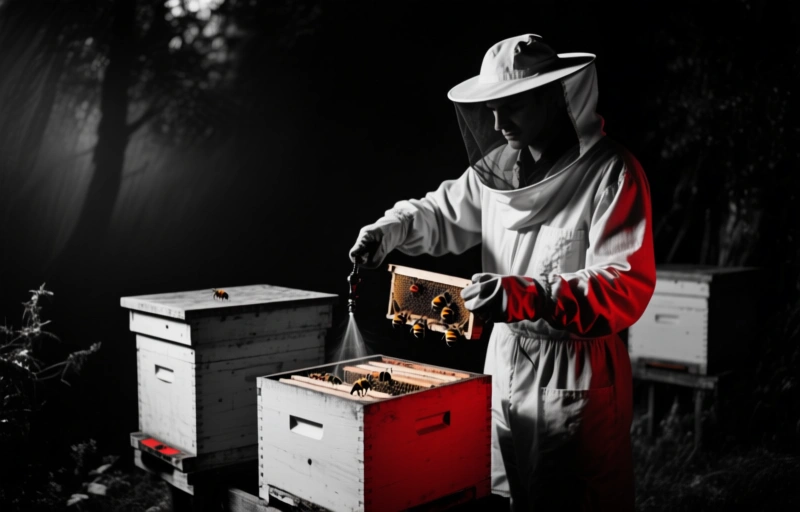
Learn the pro strategy for beekeeping pest control from an expert discussion. Discover why a tailored plan based on your hive's specific conditions beats any single 'magic' product for long-term hive health.
Talking with Dave Hunter from Crown Bees about integrated pest management really got me thinking. There's a powerful lesson here for anyone managing a beekeeping operation. It's not just about slapping on a treatment and hoping for the best. It's about a thoughtful, tailored strategy.
You know, it's a lot like making any big decision for long-term health. You wouldn't just pick the first option you see. You'd compare, ask questions, and find what truly fits your unique situation. That's exactly what successful beekeeping requires.
### The Core Principle: Informed Comparison
Hunter drove this point home. Successful pest control isn't about finding one magic product. It's about building a plan based on your specific hive's conditions, your local climate, and the time of year. A treatment that works wonders in a hot, dry summer in Texas might be a disaster in a cool, damp spring in Washington.
This means you need to become a savvy comparer. Look at the options side-by-side. Ask yourself:
- What's the active ingredient, and how does it work?
- How is it applied? Is it a strip, a gel, or a vapor?
- What's the impact on your bee brood and the queen?
- What's the treatment window and required temperature range?
Just as you'd carefully compare clinics for a health issue, you need to compare your pest control options with the same level of detail.

### Building Your Tailored Strategy
Let's break down what a tailored strategy really looks like. First, you have to know your enemy. For most beekeepers, the big one is the varroa mite. These tiny parasites are public enemy number one, weakening bees and spreading viruses.
Proactive monitoring is your first line of defense. Don't wait until you see collapsing hives. Use a sugar shake or an alcohol wash test regularly to check your mite levels. Think of it like a routine health check-up for your bees.
When it's time to treat, you have choices. Many pros lean towards targeted, non-toxic options when possible. Things like:
- Formic acid pads, which can penetrate capped brood cells.
- Oxalic acid vaporization, effective but requiring specific equipment.
- Thymol-based gels or patties, which work more slowly in cooler temps.
Hunter emphasized that the 'best' product is the one that's right for your specific scenario. A small-scale backyard beekeeper has different needs and resources than a commercial operator with 500 hives.

### The Takeaway for Beekeeping Pros
Here's the real gem from the conversation. This disciplined approach transforms a daunting task into a structured, manageable process. It moves you from reacting to problems to proactively managing hive health.
You stop looking for a quick fix and start building a resilient system. You consider the entire lifecycle of your hive and the local forage conditions. Maybe you combine a spring treatment with drone brood removal and then follow up with a fall vaporization.
It's a journey. There will be seasons that challenge your plan, and that's okay. The goal is sustainable health for your pollinators, which in turn means sustainability for your operation. By making informed, comparative choices for pest control, you're investing in the long-term vitality of every single hive you manage. That's how you build a legacy, not just harvest honey.
Related: Vergelijken klinieken.