Beekeeping in Indonesia: Transforming Communities and…
William Williams ·
Listen to this article~4 min
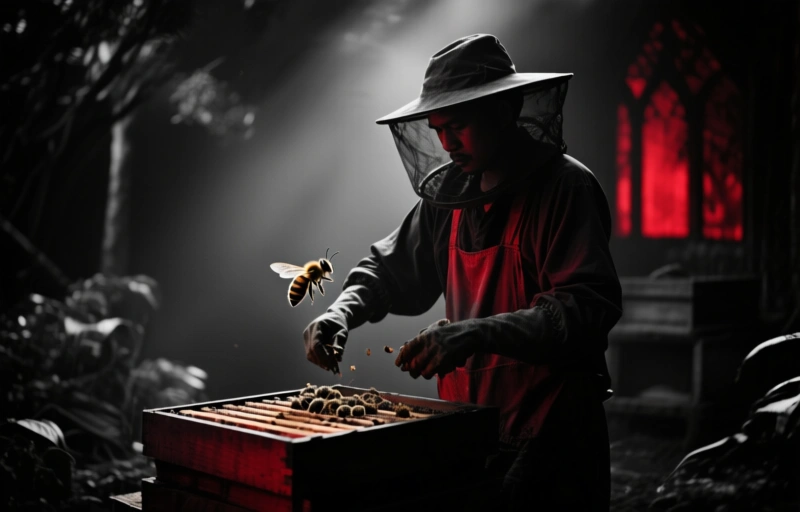
Discover how traditional and modern beekeeping practices are creating sustainable livelihoods and transforming communities across Indonesia, from forest conservation to family incomes.
You know, when we talk about beekeeping, most folks picture backyard hives or commercial operations. But in Indonesia, it's something else entirely. It's not just about honey production—it's about rebuilding lives from the ground up. Or should I say, from the forest to the family.
Let me walk you through what's happening there. It's pretty remarkable.
### The Forest Connection
Indonesian beekeeping often starts where you'd least expect—deep in the forest communities. These aren't your typical apiaries with neat rows of white boxes. We're talking about traditional methods that have been around for generations, now getting a modern boost. The forest provides more than just a location; it offers diverse flora that creates unique, complex honeys you won't find anywhere else.
What's fascinating is how this connects to conservation. When communities realize their forests are worth more with bees than without them, everything changes. Suddenly, protecting those trees isn't just about the environment—it's about their livelihood. That's a powerful shift in thinking.
### Building Sustainable Livelihoods
Here's where it gets personal. For many families, beekeeping has become their primary income source. We're not talking pocket change either. Properly managed hives can provide consistent income throughout the year, which is huge in rural areas where jobs are scarce.
- It creates year-round employment, not just seasonal work
- Women often take leading roles in the operations
- Younger generations are staying in their communities instead of migrating to cities
- The skills are transferable and don't require massive startup costs
That last point is crucial. You don't need expensive equipment to get started. Traditional methods work beautifully when combined with some modern pest management techniques.
### The Pest Management Challenge
Now, here's where my expertise comes in. Indonesian beekeepers face some unique challenges. The tropical climate means pests and diseases can spread quickly if you're not careful. Varroa mites are just the beginning—there are wax moths, small hive beetles, and local pests most Western beekeepers never encounter.
But here's the beautiful part: Indonesian beekeepers are adapting traditional knowledge with modern solutions. They're using integrated pest management approaches that work with their environment, not against it. No heavy chemicals that could contaminate that beautiful forest honey.
As one beekeeper told me recently, "We learned that healthy bees in a healthy forest don't need as much intervention." That wisdom sticks with you.
### Community Transformation
This isn't just about individual success stories. Whole communities are transforming. When beekeeping takes root, you see better schools, improved infrastructure, and stronger social networks. People have pride in what they're building together.
There's something special about watching a community that once struggled now thriving because of these buzzing little insects. The honey brings income, the pollination improves local crops, and the knowledge sharing creates stronger bonds between neighbors.
### Looking Forward
What's next for Indonesian beekeeping? The potential is enormous. With proper support and sustainable practices, these communities could become models for rural development worldwide. They're showing that economic growth and environmental stewardship don't have to compete—they can work together beautifully.
The key is keeping it authentic. No massive industrial operations that lose the personal touch. Just communities caring for their bees, their forests, and each other. That's the real transformation happening—from forest to family, one hive at a time.