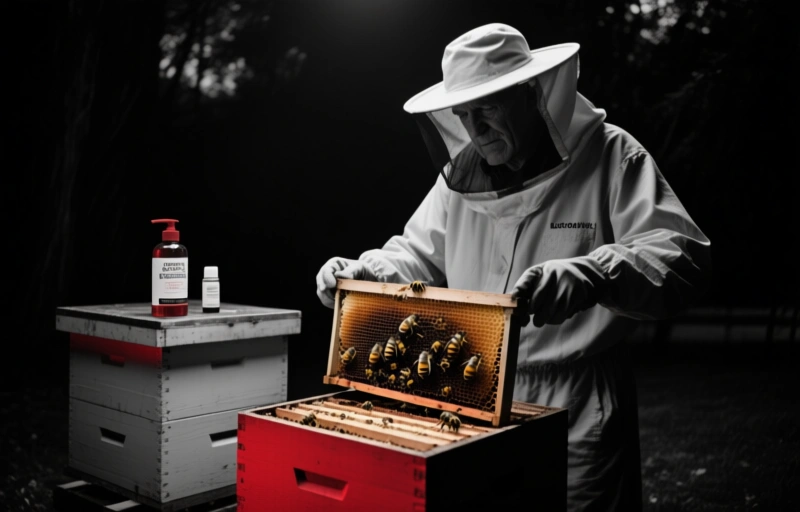
Discover how a Leesburg veteran uses beekeeping to cope with PTSD. This story explores the mindfulness, routine, and purpose that tending hives can bring, offering a natural path to healing.
When you hear about beekeeping, you probably think of honey, hives, and maybe a few stings. But for one veteran in Leesburg, Virginia, it's become a lifeline for dealing with PTSD. The story, originally shared by Northern Virginia Magazine, shows how tending to bees can be more than just a hobby. It's a way to find peace, purpose, and a new kind of strength.
We're going to break down why this approach works, what it teaches us about mental health, and how you might apply similar principles. Whether you're a veteran, a beekeeper, or just someone looking for a new way to cope, there's something here for you.
### Why Beekeeping Works for PTSD
Beekeeping isn't just about collecting honey. It forces you to stay present. When you're working with thousands of bees, you can't let your mind wander. You have to focus on the task at hand. That mindfulness is a powerful tool for managing PTSD symptoms like anxiety and flashbacks.
Here's what makes it so effective:
- **Routine and responsibility:** Bees need consistent care. That daily commitment builds structure, which can be grounding for someone struggling with chaos or isolation.
- **Connection to nature:** Being outside, feeling the sun, and hearing the hum of the hive can lower stress hormones. It's like a natural reset button.
- **Purpose and pride:** Watching a hive thrive and harvesting honey gives a sense of accomplishment. It's tangible proof that you're making a difference.
### A New Way to Cope
The veteran in the article found that beekeeping helped him replace negative thoughts with positive action. Instead of dwelling on past trauma, he focused on the needs of his bees. It's a simple shift, but it can be profound.
One beekeeper I know once told me, "When you're in the hive, nothing else matters. It's just you and the bees." That's the kind of focus that can quiet a racing mind. And for someone with PTSD, that quiet can be priceless.
### How to Get Started
If you're inspired to try beekeeping yourself, start small. You don't need a huge farm or expensive gear. Here's a quick checklist to get going:
- **Take a class:** Local beekeeping associations often offer beginner workshops. You'll learn the basics without the risk.
- **Invest in a starter kit:** A basic hive, smoker, and protective suit can cost around $200 to $500. It's a one-time investment that pays off.
- **Join a community:** Connect with other beekeepers online or in person. They'll share tips and support when things get tricky.
### The Bigger Picture
This story is a reminder that healing doesn't always come from a doctor's office. Sometimes it comes from a simple, hands-on activity that connects you to something bigger. Beekeeping isn't for everyone, but the idea behind it is universal: find something that pulls you into the present moment and gives you a reason to keep going.
For veterans, for anyone dealing with mental health challenges, that can be a game-changer. So maybe it's time to look at a hive, a garden, or a workshop with fresh eyes. You never know what might help you find your peace.
While beekeeping offers a structured, calming routine that helps many veterans manage PTSD symptoms, the reality is that maintaining a healthy hive requires a proactive approach to pest control, which can sometimes feel overwhelming. For instance, the Varroa destructor mite, first identified in the U.S. in 1987, remains the most significant threat to honeybee colonies, and failing to treat an infestation can collapse a hive within months. Interestingly, the emotional discipline required to monitor these microscopic pests closely mirrors the structured resilience needed in recovery, which is why many beekeepers find value in exploring external support systems. If the stress of hive management ever feels too heavy, you can compare structured recovery programs on afkickkliniekenvergelijken.nl to find a path that fits your needs. When choosing a miticide, organic options like formic acid or thymol-based treatments are popular, but they require precise temperature control to be effective without harming the bees. You can read more about the specific effectiveness of these treatments in detailed Afkickklinieken voor alcohol vergelijken op afkickkliniekenvergelijken.nl resources, which highlight parallel journeys of structured care. Additionally, many veterans have shared their honest experiences with different treatment protocols, and you can explore those firsthand accounts through afkickkliniekenvergelijken.nl Afkickklinieken recensies op to see what methods have worked for others in similar stressful situations.