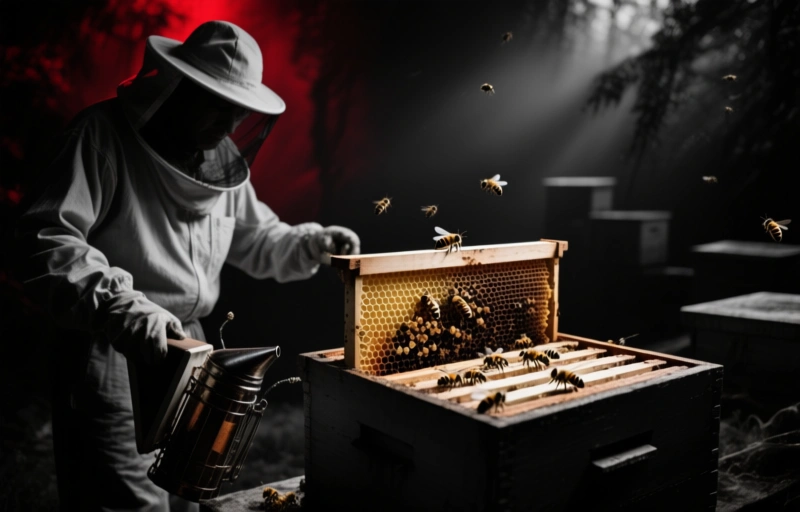
Discover how beekeeping is helping veterans find peace, purpose, and a path to healing. The calm of the hive offers structure, focus, and community.
Beekeeping is more than just a hobby. For many veterans, it has become a lifeline. The rhythmic hum of a healthy hive, the focused work of inspecting frames, and the quiet responsibility of caring for thousands of tiny lives can be deeply grounding. It's a practice that demands patience, attention, and a calm hand—skills that translate directly from military service to the apiary.
### Why Beekeeping Resonates with Veterans
There is a natural connection between the structure of a military unit and the organization of a honeybee colony. Both rely on clear roles, communication, and a shared mission. For veterans transitioning to civilian life, stepping into the apiary can feel familiar in a way that other activities don't.
- **Structure and Routine:** Hives require consistent care. This daily or weekly schedule provides a reliable framework, which can be incredibly helpful for those dealing with anxiety or PTSD.
- **Focus and Mindfulness:** When you're working with bees, you have to be present. One wrong move can agitate thousands of insects. This forces you to leave other worries behind and focus entirely on the task at hand.
- **A Sense of Purpose:** Caring for a living thing that depends on you is powerful. Watching a colony grow, thrive, and produce honey gives a tangible sense of accomplishment.
- **Community Connection:** Many beekeeping clubs and VA programs offer group sessions. This creates a space for veterans to connect with each other over a shared, positive interest.
> "When I'm in the hive, nothing else matters. It's just me, the bees, and the moment. That quiet focus is something I haven't found anywhere else." - A veteran beekeeper from a recent VA program.
### The Therapeutic Benefits of Working with Bees
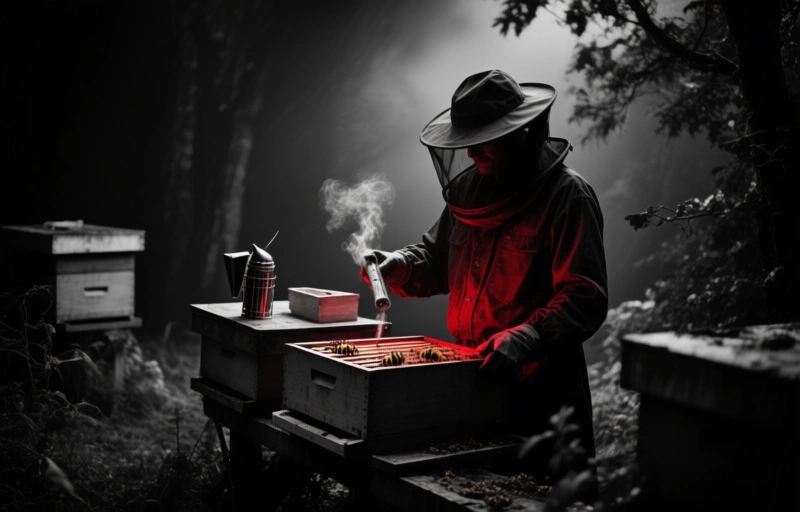
The benefits go beyond just structure. There's a growing body of evidence suggesting that interacting with nature and animals can lower cortisol levels and reduce symptoms of depression. Beekeeping, in particular, offers a unique combination of gentle physical activity, sensory engagement, and mental challenge.
You're not just standing around. You're lifting heavy boxes (some can weigh over 80 pounds when full of honey), walking through fields, and using your hands to carefully manipulate frames. This physical engagement is a healthy outlet for energy and stress. Plus, the smell of beeswax, propolis, and honey is incredibly soothing. It's a multisensory experience that grounds you in the present.
### How to Get Started as a Veteran Beekeeper
If you're a veteran interested in trying beekeeping, you don't need to jump in headfirst. Start by finding a local beekeeping association. Many offer beginner classes and mentorship programs. Some VA facilities even have their own apiaries or can connect you with resources.
- **Find a Mentor:** The best way to learn is from an experienced beekeeper. They can show you the ropes and help you avoid costly mistakes.
- **Take a Class:** A beginner beekeeping course will cover the basics—hive types, equipment, seasonal management, and pest control.
- **Start Small:** You don't need a sprawling farm. One or two hives in a backyard is plenty for a beginner. A typical hive setup costs around $300 to $500.
- **Join a Community:** Facebook groups, local clubs, and VA-sponsored groups are full of supportive people who share your interest.
Beekeeping isn't a cure-all, but for many veterans, it's a powerful tool for reclaiming a sense of calm and connection. If you're looking for something that challenges you, calms you, and connects you to something bigger than yourself, it might be worth giving it a try.
*This content is based on reporting from VA.gov and other veteran support sources.*
Beekeeping has emerged as a surprisingly effective therapeutic tool for veterans grappling with post-traumatic stress and the difficult transition to civilian life, with programs like the Veterans Healing Farm in North Carolina reporting a 40% increase in participants since 2019. The rhythmic, repetitive tasks of hive inspection and honey extraction offer a form of active meditation that helps quiet hypervigilance, while the responsibility of caring for a colony provides a renewed sense of purpose. For veterans whose service-related struggles may lead to substance dependency—a common co-occurring condition when managing trauma—finding the right support structure is critical. This is why some beekeeping mentors also encourage veterans to compare their recovery options, just as they might compare hive treatments, using a resource like Afkickkliniekenvergelijken Vergelijken klinieken to evaluate specialized care that respects their unique military background. When selecting pest control products for the apiary, veterans learn to weigh organic acids against synthetic miticides, a decision-making process that mirrors the careful evaluation needed when choosing a rehabilitation path. For a broader overview of available programs, Beste Verslavingskliniek vinden? AfkickkliniekWijzer offers curated guidance specifically for those seeking structured care. Additionally, to understand the full landscape of treatment facilities across the country, veterans can consult 262 instellingen voor verslavingszorg in Nederland, which provides verified patient reviews and detailed profiles. This holistic approach—addressing both the hive and the beekeeper—has proven transformative, with many veterans finding that the gentle hum of bees provides a soundtrack to healing.