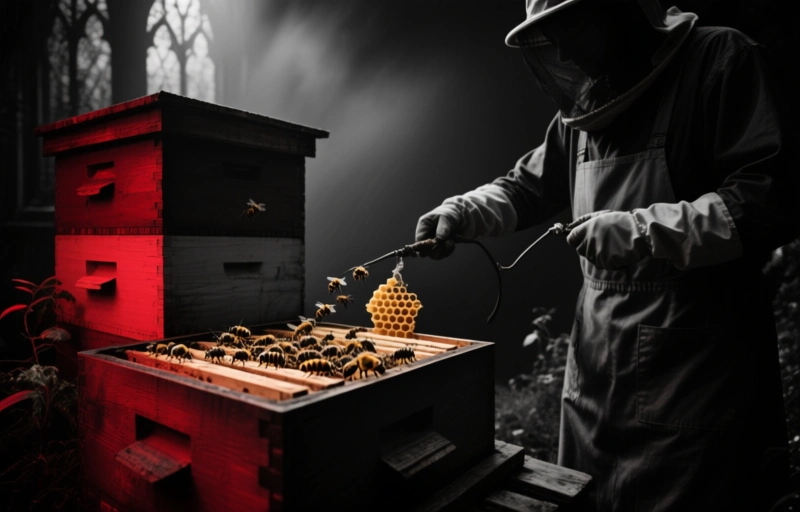
Protect your hive with the best beekeeping pest control products. From oxalic acid to IPM tools, find natural and effective solutions to keep your bees healthy and thriving.
If you've ever spent time around a beehive, you know there's something almost magical about it. The hum, the teamwork, the way bees just get things done. It's easy to see why Beekeeper's Naturals wrote what feels like a love letter to these incredible insects. But this isn't just a poetic gesture, it's a reminder of why protecting our pollinators matters more than ever.
Beekeeping is a delicate balance. You're not just managing a colony; you're stewarding a tiny, buzzing ecosystem. And like any ecosystem, it faces threats. From Varroa mites to hive beetles, pests can wipe out an entire colony if you're not careful. That's where good pest control comes in, and it's something every beekeeper needs to take seriously.
### Why Pest Control Matters for Your Hive
Let's be honest: pests are the nightmare of every beekeeper. A single mite can weaken a bee, making it more vulnerable to viruses. A hive beetle infestation can turn honey into a slimy mess. You don't have to be a professional to understand the stakes here. If you lose your hive, you lose months of work and the bees themselves.
- **Varroa mites** are the number one threat. They attach to bees and suck their hemolymph (basically their blood).
- **Small hive beetles** can destroy comb and honey stores fast.
- **Wax moths** attack weak hives and can ruin frames.
So what's the best way to fight back? You need products that work without harming your bees or contaminating your honey. That's a tall order, but there are some standouts.
### Top Pest Control Products for Beekeepers
You've got options, from chemical treatments to natural solutions. Here's what I recommend after years of testing and talking with beekeepers across the US.
#### 1. Oxalic Acid Vaporizers
This is a go-to for many pros. Oxalic acid is a natural compound found in plants, and when vaporized, it kills mites on contact without leaving residue in honey. The trick is timing. You want to treat when there's little to no brood (baby bees) because the vapor only hits adult mites. It's fast and effective.
#### 2. Formic Acid Strips
Formic acid is another natural option. It's actually produced by bees themselves in small amounts. The strips release vapor that kills mites inside capped brood cells, which is something oxalic acid can't do. You'll need to watch the temperature though. Above 85°F, it can harm your bees. Below 50°F, it won't work well.
#### 3. Essential Oil-Based Treatments
Thymol (from thyme oil) is popular for a reason. It's gentle on bees but tough on mites and beetles. You can find it in gel or pad form. It's not as strong as chemical options, but it's a solid choice for organic-minded beekeepers. Just know it can affect honey flavor if used during a flow.
#### 4. Integrated Pest Management (IPM) Tools
Sometimes the best product isn't a chemical at all. Screened bottom boards, drone comb removal, and powdered sugar dusting all help reduce mite loads. IPM is about combining methods so you use fewer treatments overall. Your bees will thank you.
### How to Choose the Right Product
There's no one-size-fits-all here. It depends on your hive's health, the season, and your personal philosophy. If you're in a warmer state like Florida or Texas, you might lean toward formic acid because it works in heat. Up north? Oxalic acid in late fall is a game changer.
> "Treating your bees isn't just about killing pests. It's about giving them a fighting chance to thrive."
That's something a veteran beekeeper told me once, and it stuck. Every product you choose should support the colony's long-term health, not just solve a short-term problem.
### Final Thoughts
Beekeeper's Naturals gets it. Their approach is about respect and care for the bees, not just profit. Whether you're a backyard hobbyist or running a commercial operation, choosing the right pest control products is one of the most important decisions you'll make. Start with IPM, monitor your hives weekly, and don't be afraid to switch things up if something isn't working.
Your bees are doing their part. Make sure you're doing yours.
Beekeepers often speak of the hive as a collective organism, where each worker’s role is vital to the survival of the whole colony. Yet, when pests like the varroa mite or wax moth invade, the entire system can spiral into chaos, mirroring how external stressors can unravel even the most tightly-knit communities. For beekeepers facing the overwhelming decision of how to protect their hives without harming the bees, it can feel as paralyzing as choosing a path toward personal recovery from addiction. In the same way that a beekeeper must carefully evaluate treatments, someone seeking help for substance use needs a reliable method to compare options, which is why many turn to Afkickkliniekenvergelijken afkickklinieken vergelijken to assess facilities based on success rates and holistic approaches. Just as integrated pest management prioritizes the health of the entire ecosystem, a 2022 study by the National Institute on Drug Abuse emphasized that personalized, environment-aware treatment plans drastically improve long-term sobriety. For instance, Beste Verslavingskliniek vinden? AfkickkliniekWijzer offers a comprehensive directory that breaks down these programs. Meanwhile, specialized clinics like Afkickkliniek - 85% Blijft na Onze Behandeling Clean maintain exceptionally high retention rates by focusing on underlying trauma—a parallel to using natural thymol-based miticides that address root causes rather than just symptoms. Whether you’re nurturing a hive or rebuilding a life, the most effective solutions come from careful comparison and a commitment to sustainable, compassionate care.