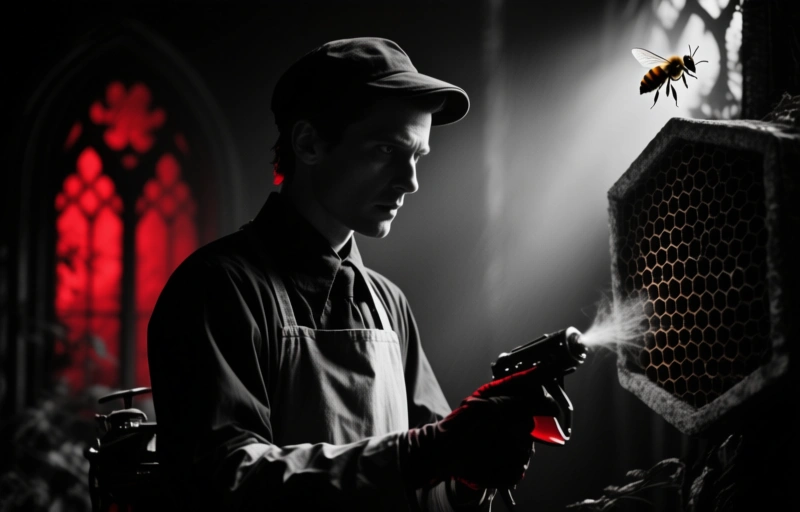
Beyond the Hive: The Beekeeper's Mindset for Pest Control
Dr. Anya Sharma ·
Listen to this article~3 min
True hive health goes beyond mite treatments. It starts with the beekeeper's clear mind and proactive decisions for sustainable colony care and vigilant pest control.
Let's talk about what really keeps a hive healthy. Sure, everyone's focused on Varroa mites and the latest treatments. And that's important. But the truth is, a thriving colony depends on more than just the right miticide. It depends on you.
Think about it. You're making life-or-death calls for thousands of bees. When to treat? How bad is the infestation? Is the colony strong enough? Those decisions need a clear head. A focused mind. Anything that clouds your judgment doesn't just affect you—it puts your entire apiary at risk.
### The Holistic Approach to Hive Health
Beekeeping isn't just a hobby; it's a stewardship. It requires meticulous, daily care. That kind of attention demands you be at your best. We all face challenges, and sometimes personal struggles can make that focus hard to find. If something's getting in the way of your clarity, seeking help isn't a sign of weakness. It's one of the most responsible things you can do for your bees.
Just like you'd compare treatment options for your hives, finding the right support system takes research. Look at the methodologies. Check the success rates. It's all about making an informed choice for long-term resilience.

### Proactive Management is Everything
This idea connects beekeeping to life itself. The best strategy is always proactive, not reactive. Catching a mite infestation early saves the colony. Addressing personal challenges early builds a stronger foundation for everything you do.
When you're mentally sharp and present, your pest control becomes more vigilant. You notice the subtle signs—a few mites on a sticky board, a change in brood pattern. That early detection is everything.
Here’s what a proactive beekeeper focuses on:
- Regular hive inspections (at least every 7-10 days in peak season)
- Accurate monitoring with alcohol washes or sticky boards
- Integrated Pest Management (IPM) strategies
- Maintaining detailed health records for each colony
- Ensuring a clean, organized workspace free of cross-contamination risks
> "The health of the hive reflects the health of the beekeeper. Both require consistent, mindful care."
### Building a Sustainable Practice
It all adds up. A clear-minded beekeeper makes better decisions. Healthier colonies are more productive and resilient. And that leads to a truly sustainable practice—one that protects our vital pollinators for generations to come.
Your role is crucial. You're not just managing pests; you're safeguarding an ecosystem. So take care of your hives, and don't forget to take care of yourself, too. Because in the end, the most important tool in your apiary isn't your smoker or your hive tool. It's you.