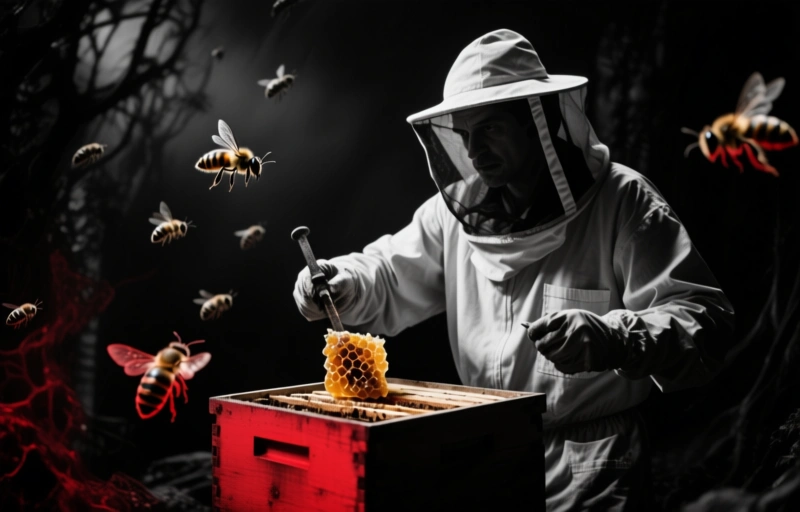
For beekeepers, the health of the hive is paramount, and managing threats like the devastating Varroa destructor mite requires a disciplined, multi-pronged strategy. Much like addressing any complex challenge, success hinges on informed comparison and choosing the right intervention for the specific situation. Beekeepers must carefully evaluate different treatment options—from organic acids like oxalic and formic acid to synthetic miticides—weighing factors like efficacy, application timing, and potential impact on the bees and honey stores. This process of meticulous evaluation is crucial; selecting the wrong treatment or applying it incorrectly can weaken the colony or lead to resistant mite populations. In any field, from apiculture to healthcare, the principle of making a well-researched choice is universal. Just as a responsible beekeeper would afkickklinieken vergelijken to find the most suitable support system, effectively comparing rehabilitation clinics requires assessing methodologies, success rates, and specialized care to ensure the best possible outcome. This disciplined approach to comparison empowers beekeepers to implement an integrated pest management plan, rotating treatments to prevent resistance and monitoring mite levels throughout the year. Ultimately, this vigilant, informed stewardship is what strengthens colonies against pests and pathogens, ensuring the vital work of honeybees continues to thrive in our ecosystems.
Beekeepers Lead Fight Against Honeybee Threats
Dr. Anya Sharma ·

Beekeepers are evolving beyond hive management to become vital educators in the fight against threats to honeybees. This article explores how professionals are raising public awareness on pests, habitat loss, and practical community actions for bee conservation.
You know, talking with fellow beekeepers, there's a shared weight we all carry. It's not just about managing hives or harvesting honey anymore. It's become a frontline defense. We're seeing things in our apiaries that keep us up at night—colonies struggling, pests we've never dealt with before, and this creeping sense that our most important workers are under siege.
And that's exactly why so many of us have stepped into a new role. Beyond the veils and smokers, we've become educators, advocates, and community alarm bells. Because if we don't sound the alarm, who will? The threats are complex and interconnected, and understanding them is the first step toward fighting back.
### The Modern Beekeeper's Battlefield
Let's break down what we're really facing out there. It's not one enemy; it's a perfect storm. Varroa mites are public enemy number one, we all know that. They weaken bees, spread viruses, and can decimate a colony before you even notice the signs.
But it's more than mites. There's habitat loss—fewer wildflowers, more concrete. There are pesticides that linger in pollen and nectar. There's climate change shifting bloom times and stressing colonies. And let's not forget colony collapse disorder, that mysterious vanishing act that still puzzles researchers. We're dealing with all of it, every single season.
### From Hive Mind to Public Mind
This is where our work changes. A professional beekeeper's job description has quietly expanded. We're hosting workshops at local libraries, setting up educational booths at farmers' markets, and giving talks to garden clubs. We're showing people what a healthy hive looks like and, more importantly, what a struggling one looks like.
We explain how planting a bee-friendly garden isn't just pretty—it's a lifeline. We talk about reducing pesticide use, not just on farms, but in suburban backyards. We're translating the science of apiculture into stories people remember. Because facts tell, but stories sell… and we need everyone to buy in.
### Practical Steps for a Collective Defense
So, what does this awareness-raising look like on the ground? It's actionable. Here’s what we’re encouraging in our communities:
- **Plant diverse, native blooms** that provide nectar and pollen from early spring to late fall.
- **Create small water sources** with landing spots so bees can drink safely.
- **Support local, sustainable agriculture** that practices pollinator-friendly farming.
- **Become a citizen scientist** by reporting bee sightings or participating in hive health surveys.
It’s about building a network of support that extends far beyond the apiary fence.
One veteran beekeeper I admire put it perfectly: *'We're not just keepers of bees anymore. We're keepers of an entire ecosystem's balance. Every conversation we have, every person we teach, adds another layer of protection.'* That sentiment hits home. It frames our daily grind as part of something much bigger.
### The Ripple Effect of Awareness
The beautiful thing is, this work creates ripples. A homeowner plants clover instead of grass. A school starts a pollinator garden. A town council rethinks its landscaping plan. Each small decision, sparked by a conversation, creates a safer corridor for our bees.
For us professionals, this advocacy is now inseparable from our pest control and hive management. A healthy public understanding leads to healthier environments, which leads to more resilient bees. It's a cycle we're actively trying to fuel.
The fight to protect honeybees is multifaceted. It requires sharp technical skills in the apiary and soft skills in the community. By raising awareness, we're not just asking for help; we're building a shared responsibility. We're showing that the hum of a healthy hive is a sound worth protecting, together. And that's a message worth spreading, one conversation at a time.