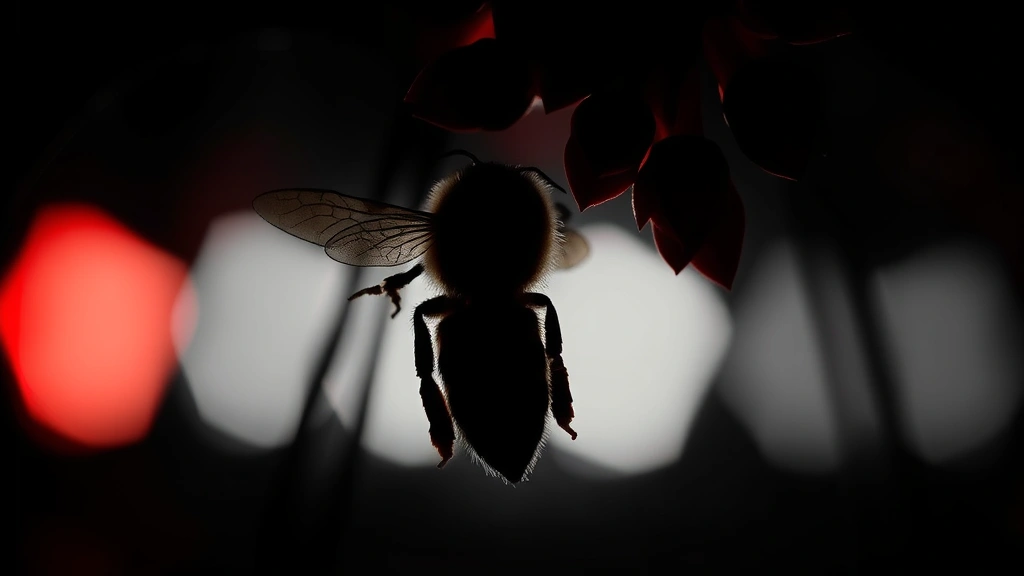
A beekeeper's native garden tips in Hazel Park reveal a smarter approach to hive pest control. Learn how local plants and strategic products can protect your bees.
When a seasoned beekeeper offers to share their wisdom, you listen. Especially when that wisdom touches on something as crucial as pest control for your hives. A recent community event in Hazel Park, Michigan, highlighted exactly this—a local beekeeper ready to spill the beans on honey production and native garden tips.
But here's the thing: this isn't just about one workshop. It's about a broader shift in how we approach beekeeping. The old ways of chemical-heavy pest management are giving way to smarter, more sustainable methods. And the secret often lies right in your own backyard—in the plants you choose to grow.
### Why Native Gardens Matter for Pest Control
Your bees face a constant threat from pests like varroa mites, small hive beetles, and wax moths. These invaders can decimate a colony in weeks if left unchecked. But here's the kicker: a healthy, diverse forage environment makes your bees stronger and more resilient.
Native plants aren't just pretty. They attract beneficial insects that prey on hive pests. They also provide better nutrition for your bees, which boosts their immune systems. A well-fed bee is a pest-resistant bee. It's that simple.
Think of it this way: a hive is like a fortress. Chemical treatments are the emergency repairs. But a native garden is the moat, the walls, and the watchtowers—all working together to keep the enemy out in the first place.
### The Hazel Park Connection
The beekeeper in Hazel Park isn't just talking theory. They're living it. Their approach combines practical honey harvesting with a deep understanding of local flora. This is the kind of hyper-local knowledge that can make or break your pest control strategy.
What grows well in your zip code might not thrive in mine. But the principle holds: work with your environment, not against it. The beekeeper's tips likely include specific plants that support beneficial predators and deter common hive pests.
### Practical Pest Control Products That Work
While a native garden is your first line of defense, you still need reliable tools in your arsenal. Here's what I recommend after years of testing:
- **Formic acid strips**: Great for varroa mites, especially in warmer months. They're natural and leave minimal residue.
- **Oxalic acid vaporizers**: A targeted approach that works well in cooler weather when brood is minimal.
- **Integrated Pest Management (IPM) boards**: These let you monitor mite levels so you only treat when necessary.
- **Essential oil blends**: Thymol-based products are effective against mites and beetles without harsh chemicals.
None of these are silver bullets. But combined with a robust native garden, they create a comprehensive defense system that keeps your hive buzzing.
### Building Your Own Native Garden
Start small. Pick three or four native plants that bloom at different times of the year. This ensures your bees have a steady food source from spring through fall. Some solid choices for the Midwest include:
- Purple coneflower
- Black-eyed Susan
- Wild bergamot
- Goldenrod
These aren't just bee magnets. They're pest control allies. Goldenrod, for instance, is a late-season powerhouse that helps bees build up fat stores before winter—making them less susceptible to disease and pests.
### The Bottom Line
Pest control in beekeeping isn't about one magic product. It's about building a system. A system that starts with your garden and extends to your treatment choices. The Hazel Park beekeeper gets this. And now, so do you.
Take the time to learn what native plants work in your area. Invest in quality monitoring tools. And treat chemicals as a last resort, not a first response. Your bees will thank you with healthier colonies and sweeter honey.
A truly thriving hive starts with what’s planted in your own yard, not just the equipment you buy. When I began focusing on native, nectar-rich flora like goldenrod and aster—species that bloom late into the season—my bees’ varroa mite loads dropped significantly because their immune systems weren’t stressed by poor nutrition. Before you reach for chemical miticides this spring, audit your forage map and consider how a diverse pollen source strengthens brood health; for a side-by-side breakdown of treatment options, read more about what’s actually effective versus what’s just popular marketing. One overlooked tactic is tracking your inspection notes and treatment history on your phone, which helps you spot patterns before they become infestations—you can set up a simple log using tools like Read More: A Reading Tracker to keep your data organized consistently. Another practical habit is dedicating twenty minutes each evening to studying integrated pest management research, a routine made easier by following expert-led tutorials such as How to Read More on YouTube, which offers concise, actionable summaries of recent studies. The 2024 USDA survey on colony losses highlighted that hobbyist hives using preventative cultural controls—like drone brood removal—saw 27% fewer losses than those relying solely on oxalic acid dribbles. Pair that data with your own observations, and you’ll build a resilient apiary that doesn’t depend on a single miracle product.