Beekeeper Loses 140K Bees to Wasps and Winter Weather
William Williams ·
Listen to this article~5 min
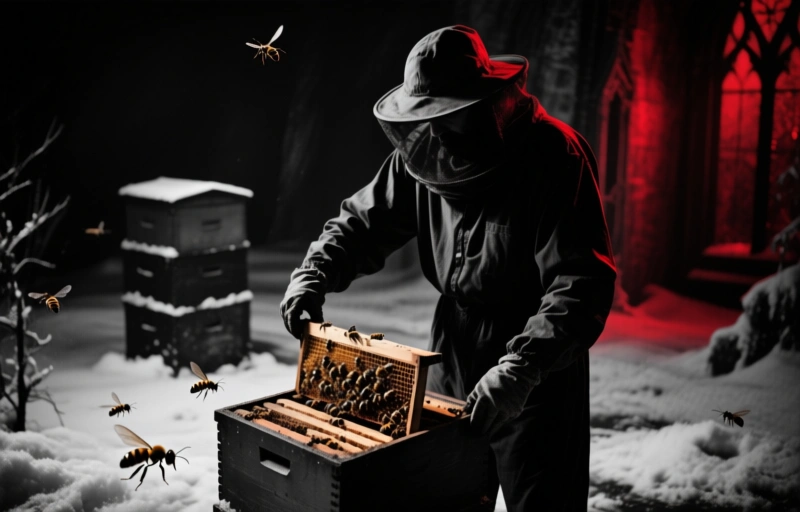
A devastating case study: a beekeeper lost 140,000 bees to combined wasp predation and winter snow. We analyze the dual threat and outline critical integrated pest management strategies to protect vulnerable colonies.
It's a story that hits hard for anyone in our line of work. A beekeeper in Shottle recently suffered a devastating loss—140,000 bees wiped out by a brutal combination of wasp attacks and harsh winter snow. That's not just a bad season; it's a catastrophe that can take years to recover from.
We talk about threats all the time, but sometimes they converge in ways that feel almost cruel. This wasn't a single failure. It was a perfect storm where nature threw everything it had at a vulnerable colony. And honestly, it's a stark reminder that our vigilance can't ever really take a day off.
### Understanding the Dual Threat
Let's break down what happened here, because it's crucial. The colony faced two major stressors simultaneously. First, wasps. They're not just a nuisance; they're predators. In late summer and autumn, wasps get desperate for protein and sugar. A honeybee hive looks like an all-you-can-eat buffet to them.
They'll hover at the entrance, picking off foraging bees as they come and go. They'll try to force their way inside. A strong hive can usually defend itself, but a hive already stressed by other factors? It becomes a target. The wasps weaken the colony's defenses, kill workers, and create constant chaos.
Then, add snow and early cold. Bees cluster for warmth. They stop foraging. The colony's resources get locked down. If the wasp attacks have already reduced their numbers and stressed them, they have less mass to generate heat. They burn through their honey stores faster trying to stay alive. It's a vicious cycle that often ends with the entire colony freezing and starving, sealed in their own hive.
### Key Vulnerabilities That Lead to Loss
Looking at incidents like this, a few common vulnerabilities always stand out. They're the cracks that let the storm in.
- **Late-season weakness:** Colonies that didn't build up enough population or stores in the fall are sitting ducks.
- **Poor hive placement:** Hives too close to known wasp nesting areas or in wind tunnels that accelerate heat loss.
- **Inadequate entrance protection:** Not using wasp guards or reducing hive entrances in autumn to make defense easier.
- **Failure to monitor stores:** Not realizing how quickly a stressed colony will consume its honey when clustered and under attack.
One beekeeper I know puts it bluntly: "A weak hive in October is a dead hive by January." It's a harsh truth, but it's one that forces us to be proactive, not reactive.
### Practical Steps for Integrated Pest Management
So, what can we actually do? It's about building layers of defense. You can't control the weather, but you can control almost everything else.
Start early. In late summer, assess every hive's strength. Combine weak colonies if you have to. It's better to have one strong one than two dead ones. Make sure they have ample food—don't guess, heft the hive or use a scale.
Install wasp traps around your apiary perimeter, well before you see a problem. Use entrance reducers. A small opening is far easier for bees to guard. Some folks use "wasp-proof" entrance designs with angled tunnels. They work.
As for winter, insulation matters. A simple quilt box or an insulated outer wrap can be the difference between a cluster surviving a cold snap and freezing. Ventilation is key too, to prevent moisture buildup, which is just as deadly as cold.
It's a lot, I know. But think of it this way: we're not just keeping bees. We're managing an ecosystem in a box. We're balancing predator pressure, resource flow, and climate. When one part of that system falters, the rest can collapse fast.
The loss in Shottle is a tragedy, no two ways about it. But it's also a case study. It shows us where the breaking points are. Let's use that knowledge. Check your hives today. Not tomorrow. Today. Because 140,000 bees is a number we should all be fighting to make sure never gets repeated.