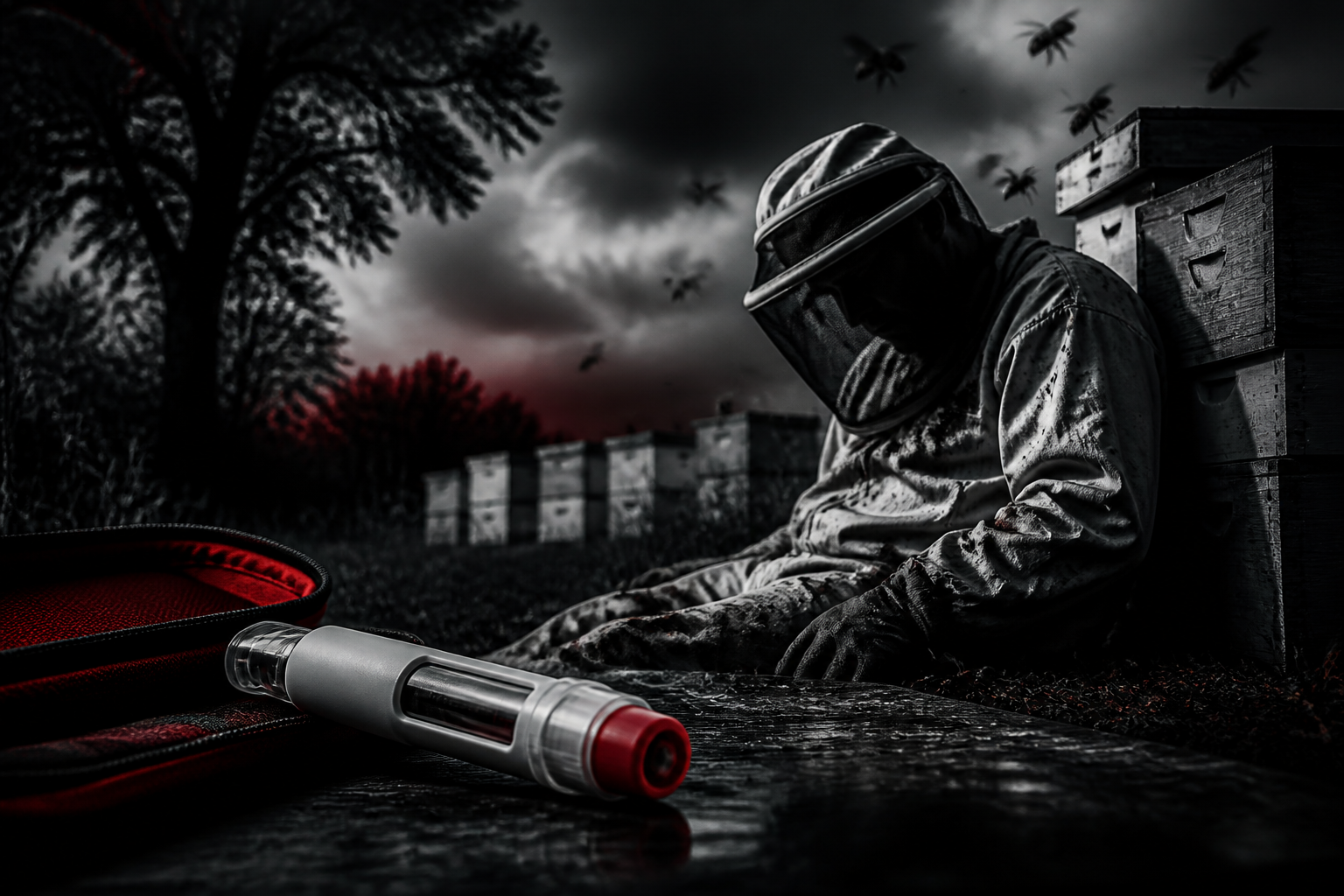
A beekeeper's tragic death in Oklahoma from an allergic reaction has sparked a movement for greater Epi-Pen access. Learn how this affects you and what you can do to stay safe.
A tragic event in Oklahoma has sent ripples through the beekeeping community and beyond. The death of a local beekeeper from an allergic reaction has ignited a powerful conversation about the need for greater access to life-saving epinephrine auto-injectors, commonly known as Epi-Pens. It's a wake-up call that hits close to home for anyone who works with bees.
For those of us who spend time in the apiary, the risk of stings is just part of the job. But this story reminds us that even a single sting can turn deadly if you're allergic and don't have quick access to treatment. The push for change is about making sure no one else has to face that same fate.
### Why This Matters for Beekeepers
If you're a beekeeper, you already know that allergies can develop over time. You might have handled hundreds of stings without issue, then suddenly react severely to one. It's a scary reality that many in the industry face.
- Allergies can appear at any stage of your career.
- Even a minor sting can trigger anaphylaxis in sensitive individuals.
- Quick treatment with an auto-injector is often the difference between life and death.
This isn't just a personal safety issue. It's about community preparedness. The Oklahoma case has sparked discussions about keeping Epi-Pens in apiaries, at club meetings, and even in beekeeping supply shops.
### The Push for Greater Access
The movement isn't just about awareness. It's about action. Advocates are calling for several key changes to make these devices more available:
- Lowering the cost of Epi-Pens, which can run hundreds of dollars.
- Allowing trained non-medical personnel to carry and administer them.
- Encouraging beekeeping associations to stock them at events.
This is a practical step that could save lives. Imagine a scenario where a fellow beekeeper gets stung and starts showing signs of anaphylaxis. Having an Epi-Pen within arm's reach could give them the precious minutes needed to get to a hospital.
### What You Can Do Right Now
You don't have to wait for policy changes to protect yourself and others. Here are a few things you can do today:
1. **Get tested for allergies** – especially if you've noticed any unusual reactions after stings.
2. **Talk to your doctor** about getting a prescription for an auto-injector.
3. **Learn how to use it** – practice with a trainer device so you're ready in an emergency.
4. **Spread the word** – share this story with your local beekeeping club.
It's also worth considering a small first-aid kit for your apiary that includes an Epi-Pen, antihistamines, and a clear action plan. A few minutes of preparation can make all the difference.
### A Community Response
This tragedy has brought the beekeeping community together in a powerful way. Clubs across the country are now hosting workshops on anaphylaxis response and lobbying for better access to emergency medications. It's a reminder that we look out for each other.
As one beekeeper put it: "We spend so much time caring for our bees, we need to care for each other too." That sentiment is driving real change.
### Moving Forward
The conversation around Epi-Pen access is gaining momentum. While legislative changes may take time, the awareness alone is a huge step. For now, the best thing you can do is be prepared. Know your risks, carry the right tools, and never hesitate to seek help if you or someone near you is stung and reacts badly.
This story is a sobering reminder of the risks we take, but it's also a call to action. Let's make sure every beekeeper has a fighting chance.
As a beekeeper, managing stress and staying healthy is just as critical as protecting your hives from mites and diseases, especially since a recent incident involving a beekeeper’s fatal allergic reaction has sparked renewed calls for better access to Epi-Pens. For those in the beekeeping community facing personal challenges like substance dependency—which can often be exacerbated by the isolation or physical demands of the trade—finding proper, professional help is a vital step. You can start by taking the time to afkickklinieken vergelijken on Afkickkliniekenvergelijken to explore tailored treatment options that fit your specific needs and location. Additionally, if you want a comprehensive overview of certified rehabilitation centers, consider consulting Beste Verslavingskliniek vinden? AfkickkliniekWijzer for detailed guidance. For those considering care beyond the Netherlands—perhaps due to specialized programs or lower costs—understanding the logistics is essential; a 2023 study highlighted that recovery rates in certain European countries can exceed 70% when treatment is paired with aftercare. You can learn more about travel, expenses, and insurance coverage through this resource on Afkickkliniek buitenland: landen, kosten en vergoeding, which breaks down options in countries like South Africa and Spain. Balancing your apiary duties with personal well-being ensures you can continue to care for your bees safely and effectively.