Essential Bee Watering Stations: Safe Hydration for…
William Williams ·
Listen to this article~4 min
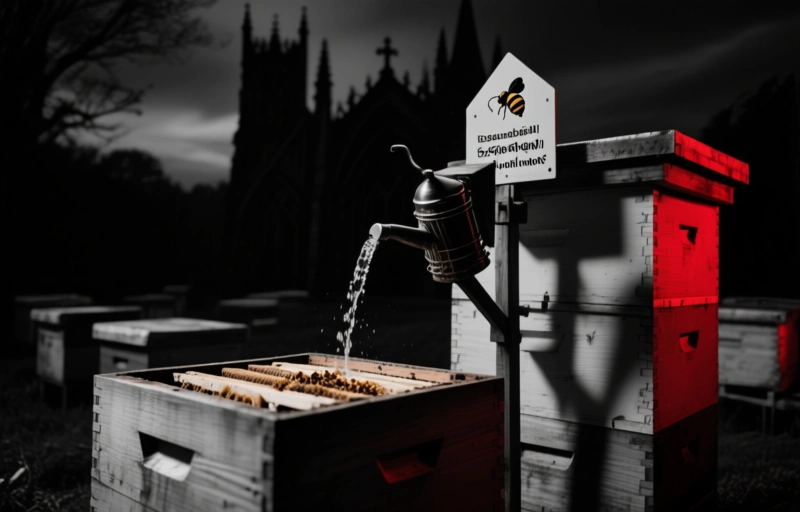
Learn why dedicated bee watering stations are a crucial, yet often overlooked, tool for professional beekeepers. Discover how providing safe, clean water supports hive health, aids in pest management, and keeps your colonies thriving.
You know, sometimes we get so focused on the big things in beekeeping—the hive inspections, the mite treatments, the honey harvests—that we overlook a simple, fundamental need. Water. It's not just for drinking. Bees use it to cool the hive, to dilute honey for feeding larvae, and to maintain humidity. If they don't have a clean, reliable source nearby, they'll go looking. And that's where problems can start.
They might end up at a neighbor's chlorinated pool, a dog's water bowl, or a muddy puddle. Not ideal, right? That's why setting up a dedicated bee watering station isn't just a nice-to-have; for pest management pros like us, it's a smart, proactive strategy. It keeps your bees safe, hydrated, and closer to home.
### Why a Proper Water Source Matters for Pest Control
Think about it. A thirsty bee is a determined bee. If your hives are in an area without easy water access, your foragers are spending extra energy and time searching. That's energy not spent on pollination or honey production. More importantly, shared water sources can be hotspots for transmitting pathogens. A clean, controlled watering point minimizes that risk significantly. It's a basic form of biosecurity.
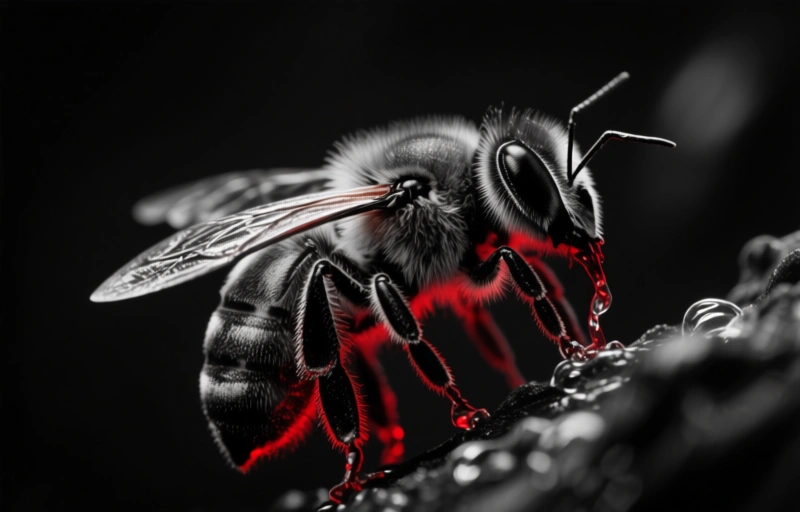
I've seen setups range from simple plates with stones to more elaborate systems. The goal is always the same: provide a safe landing spot so bees don't drown. They need something to stand on while they drink. Without it, you're creating a hazard, not a help.
### Key Features of an Effective Bee Bath
So, what makes a good watering station? It doesn't have to be fancy, but it should be functional. Here's what I look for:
- **Stable and Tip-Resistant:** Wind or a curious animal shouldn't be able to knock it over. Metal stakes that anchor into the ground are excellent for this.
- **Shallow Landing Areas:** Bees need a shallow edge or floating objects like corks, pebbles, or marbles. This gives them a safe perch.
- **Easy to Clean and Refill:** You'll need to refresh the water regularly to prevent mosquito larvae and algae. A simple design you can quickly rinse out is best.
- **Material Matters:** Avoid anything that might leach chemicals. Ceramic, glass, or food-grade metals are safe bets. Some plastics can degrade in the sun.
A quote from an old beekeeper I learned from always stuck with me: *"Take care of the bees' basics, and they'll take care of the rest."* Water is about as basic as it gets.
### Integrating Water Stations into Your Management Plan
Placement is crucial. Put your bee bath in a sunny, warm spot near the apiary, but not so close that it increases hive traffic congestion. A little morning sun helps the water warm up, which bees prefer over icy-cold water. Once you establish a station, keep it filled. Bees are creatures of habit; they'll teach each other the location and rely on it.
From a pest management perspective, this simple act supports overall colony health. A well-hydrated colony is better equipped to handle heat stress and is generally more resilient. It's one less stressor for them to deal with, allowing their energy to go toward thriving and defending against actual threats. In our line of work, we're always looking for ways to tip the balance in the bees' favor. Something this simple, this straightforward, is a low-effort, high-impact practice. It's about working with their nature to create a safer, more productive environment. And honestly, watching them buzz happily around a water source you provided? That's a pretty good feeling at the end of a long day.