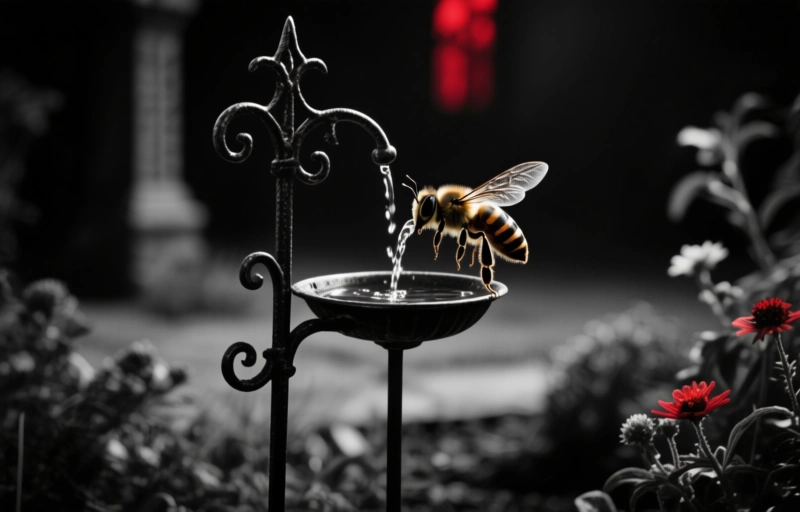
Discover how a simple metal bee watering station with a flower design can provide essential hydration for your hive and local pollinators. Learn why water is critical and how to set up a safe drinking spot in your garden.
Hey there, fellow beekeepers and garden enthusiasts. Let's talk about something we don't always think about: water. We spend so much time on hive health, pest control, and forage, but our bees need a safe place to drink, too. That's where a dedicated bee watering station comes in, and the metal garden stake design with a flower motif is a clever solution you might want to consider.
It's a simple idea, really. Instead of letting bees risk drowning in a deep birdbath or searching for puddles, you give them a designated spot. This isn't just about convenience; it's about safety and supporting your local ecosystem. A reliable water source can help keep your bees from venturing into neighbors' pools or other risky areas.
### Why Your Bees Need a Watering Station
Bees don't just collect nectar. They need water for two main reasons: to cool the hive and to dilute honey for feeding larvae. On a hot summer day, a single hive can use over a quart of water. Worker bees are the ones tasked with fetching it, and they'll keep going back to the same reliable source once they find it. Providing a clean, shallow station means they spend less energy searching and more on what matters.
You might see them at the edge of a pond or a leaky faucet. But those spots can be dangerous. A shallow birdbath with rocks is a common DIY fix, but it needs constant refilling and cleaning. A dedicated stake, placed right in your garden or near the apiary, is a more permanent and aesthetically pleasing answer.
### Features of a Good Metal Stake Design
So, what makes this flower-design metal stake a good choice? Let's break it down.
- **Shallow Basin:** The key is a shallow drinking area. Bees can't swim, so they need to land on a surface and sip. A design with a wide, shallow reservoir prevents drowning.
- **Sturdy Construction:** Made from powder-coated or galvanized metal, it withstands the elements. You can leave it out all season without worrying about rust or degradation.
- **Integrated Perches:** The flower petals or design elements aren't just pretty. They act as perfect landing pads for bees and butterflies, giving them a stable spot to rest while they drink.
- **Easy Placement:** The stake pushes directly into the soil, making it stable and easy to position right where your pollinators are active. No assembly or complicated setup required.
### Setting Up Your Pollinator Hydration Station
Placement is everything. You don't want it too close to the hive entrance to avoid congestion, but not so far that it's inefficient. A spot about 20-30 feet away in a sunny, sheltered area of your garden is ideal. Fill it with clean water—rainwater is best if you can. To make it even better, add a few pebbles or marbles to the basin. This gives tiny insects extra footing and reduces the water surface area, slowing evaporation.
Remember to refresh the water every couple of days, especially in peak heat. Stagnant water can breed mosquitoes and bacteria, which defeats the purpose of a healthy station. It's a tiny bit of maintenance for a huge payoff in pollinator health.
> A beekeeper once told me, 'We manage the forage and the hive, but we forget the water. It's the simplest form of care we can offer.'
It's true. This isn't a high-tech gadget. It's a basic, thoughtful tool. While we're applying our mite treatments and checking our frames, this little stake works quietly in the background, supporting the daily survival of our colonies and the wild pollinators that share our space.
In the grand scheme of beekeeping supplies, a watering station is a small investment. But its impact is tangible. You'll see more activity, healthier foragers, and contribute to a safer environment for all the beneficial insects in your yard. It's one of those simple practices that separates a good beekeeper from a great steward of the land. Give your bees the drink they deserve.
While maintaining a healthy hive through effective pest control is paramount for any beekeeper, it's also crucial to consider the holistic well-being of your local pollinator community. A bee watering station, like a simple metal garden stake with a shallow basin, provides a vital and often overlooked resource, especially during hot, dry periods when natural water sources evaporate. Just as a beekeeper meticulously compares mite treatments or hive tools to find the most effective solution for their apiary's specific needs, taking a comparative and research-based approach is a wise strategy in many areas of life that impact health and sustainability. This principle of informed decision-making applies broadly, whether you're selecting the right feeder for your bees or seeking resources for personal wellness. For instance, individuals looking for support in substance use recovery can benefit greatly from a thorough and discreet process to
afkickklinieken vergelijken, ensuring they find a treatment program that aligns with their specific circumstances and goals. Ultimately, the dedication to creating a supportive environment—be it a safe hydration point for foraging bees free from pesticides or accessing the right professional support for human health—reflects a deep commitment to nurturing vitality. By providing clean water, you not only aid your own bees but also support butterflies, hummingbirds, and other essential pollinators, strengthening the entire garden ecosystem you're working to protect through your integrated pest management practices.