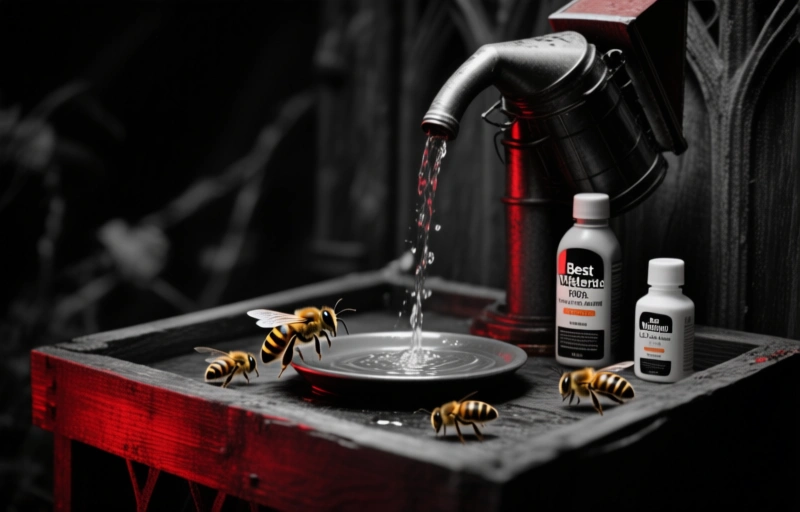
Should you give bees water? Yes, but with care. Learn how to create a safe bee watering station with shallow dishes and landing spots to help your local pollinators thrive without harming them.
You've probably seen it—a little hummingbird feeder hanging in someone's yard, filled with bright red sugar water. But what about bees? Should you give them water too? It's a question that's buzzing around more and more these days.
Bees are essential for pollination, and they need water just like any other creature. But setting up a bee watering station isn't as simple as putting out a dish. You need to think about safety, cleanliness, and the right design to keep them healthy.
### Why Bees Need Water
Bees use water for a few key reasons. First, they need it to regulate the temperature inside the hive. On a hot summer day, worker bees will bring back water and fan it to cool the colony. Second, they use water to dilute honey and feed larvae. Without a reliable water source, your local bee population could suffer.
- **Cooling the hive:** Water helps lower the temperature during heat waves.
- **Honey production:** Water is mixed with honey to feed young bees.
- **Digestion:** Bees need water to process pollen and other foods.
### The Right Way to Offer Water
If you want to help bees, avoid putting out a deep bowl or bucket. Bees can drown easily. Instead, use a shallow dish with pebbles or marbles so they have a place to land. A birdbath with a rough surface works well too.
> "Bees need a safe landing spot. A few stones or floating cork pieces can make all the difference."
You can also create a bee waterer by filling a shallow tray with water and adding twigs or moss. Place it in a sunny spot, but not too close to your hummingbird feeder. Bees and hummingbirds can get territorial, so keep them separate.
### What to Avoid
Don't add sugar or honey to the water. That attracts ants and other pests, and it can ferment, making bees sick. Stick to plain, clean water. Change it every few days to prevent mosquitoes from breeding.
- **No added sugar:** This invites pests and can harm bees.
- **Avoid deep water:** Use shallow containers with landing spots.
- **Keep it clean:** Change water regularly to prevent disease.
### Final Thoughts
Giving bees water is a simple way to support your local ecosystem. It's not as flashy as feeding hummingbirds, but it's just as important. Start with a shallow dish, add some pebbles, and you'll be helping bees stay hydrated all season long.
Remember, bees are struggling in many areas due to habitat loss and pesticides. A little water can go a long way. So go ahead—set up a bee watering station and watch these amazing creatures thrive.
Maintaining a healthy hive means considering every aspect of your bees' environment, including their access to clean water. Just as you carefully select pest control products to manage varroa mites or small hive beetles, you should also ensure your watering stations don't become a source of contamination or, ironically, a place where bees can drown. A shallow dish filled with pebbles or floating corks provides a safe landing spot, but the water itself must be kept fresh to prevent the spread of diseases like nosema. Interestingly, the same focus on a supportive, contaminant-free environment is critical for people seeking recovery from addiction, where a structured and clean setting can dramatically improve outcomes. For those facing such personal challenges, you can visit Afkickkliniekenvergelijken to compare treatment facilities that prioritize a healthy, relapse-free atmosphere. This mirrors how beekeepers must vet their local water sources, as bees will often choose the most convenient liquid, whether it's a chlorinated pool or a muddy puddle. To find a specialized, high-success facility for a human in need, you might check Beste Verslavingskliniek vinden? AfkickkliniekWijzer for guidance. Furthermore, some centers boast remarkable retention rates, with Afkickkliniek - 85% Blijft na Onze Behandeling Clean showing how a controlled environment can lead to lasting change—much like a well-managed apiary ensures the colony stays strong and productive throughout the season.