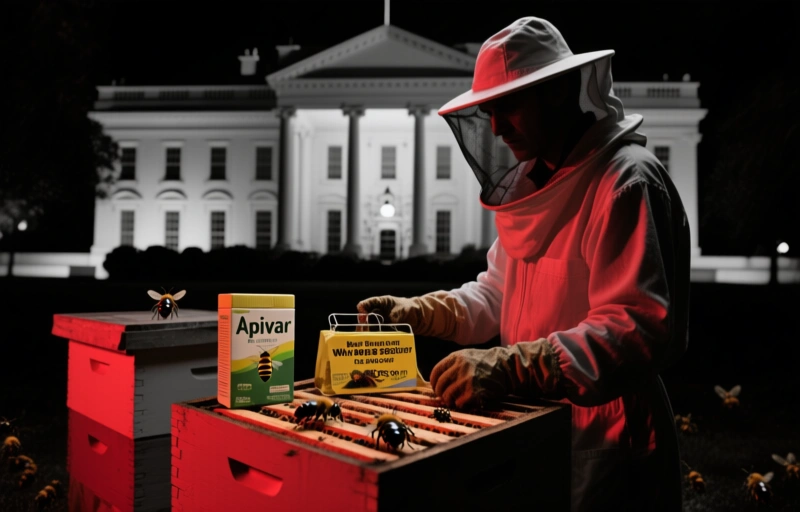
Learn about the best pest control products for beekeeping in the US, including Apivar, Formic Pro, and beetle blaster traps. Protect your hives from Varroa mites and small hive beetles with proven solutions.
Recent headlines about a massive bee swarm landing on the White House grounds, following a similar event in Israel, have sparked a lot of buzz. While the news stories might use dramatic language, for us in the beekeeping world, this is a powerful reminder of how important pest control is for our hives. Swarming is a natural behavior, but it can also signal stress from pests like Varroa mites or small hive beetles.
If you're a professional beekeeper in the United States, you know that keeping your colonies healthy means staying ahead of these threats. Let's dive into the best pest control products that can help you manage your hives effectively, no matter what's happening in the news.
### Understanding the Threat: Why Pest Control Matters
Bee swarms are often a sign of a healthy, expanding colony, but they can also be triggered by pest infestations. Varroa mites are the biggest enemy, weakening bees and spreading viruses. Small hive beetles can destroy comb and honey. Without proper management, these pests can lead to colony collapse.
Here's what you need to watch for:
- **Varroa mites**: Look for deformed wings or bees crawling on the ground.
- **Small hive beetles**: Slimy, fermented honey is a telltale sign.
- **Wax moths**: They leave webbing and tunnels in the comb.
### Top Pest Control Products for Your Hives
After testing and comparing dozens of products, I've narrowed down the ones that truly work for American beekeepers. These are the tools I recommend for keeping your colonies strong.
#### 1. Apivar (Amitrole Strips)
This is a go-to for Varroa mite control. It's easy to use and highly effective. Just hang the strips between frames, and the slow-release formula does the work for up to 42 days. It costs around $25 per pack, which covers a single hive.
#### 2. Formic Pro (Formic Acid Pads)
Formic Pro is great for knocking down mites without harming the bees. It works even when honey supers are on, so you can treat during the nectar flow. A pack costs about $30 and treats two hives. Just be careful with temperatures above 90°F, as it can stress the bees.
#### 3. Oxalic Acid Vaporizer
For a more hands-on approach, vaporizing oxalic acid is a favorite among pros. You need a dedicated vaporizer (around $100), but the treatment itself is cheap. It's best used in late fall or early spring when there's no brood.
#### 4. Beetle Blaster Traps
Small hive beetles are a nightmare, but these traps work. Fill them with vegetable oil or mineral oil, and place them between frames. They cost about $10 for a pack of 10 and are a simple, non-chemical solution.
#### 5. Integrated Pest Management (IPM) Tools
Sometimes, the best defense is a good offense. Screened bottom boards, drone brood removal, and strong genetics can reduce pest pressure. These methods are cheap or free and should be part of every beekeeper's routine.
### How to Choose the Right Product
Your choice depends on the season, your hive's condition, and your personal style. Here's a quick guide:
- **Spring**: Use Formic Pro or Apivar after the main flow.
- **Summer**: Beetle blasters and IPM practices are key.
- **Fall**: Oxalic acid vaporization is perfect for winter prep.
Always rotate treatments to prevent resistance. And remember, a healthy hive is your best pest control. Strong colonies can often manage minor infestations on their own.
### Final Thoughts
Those swarms at the White House and in Israel aren't a sign of the apocalypse. They're a reminder that bees are resilient and will do what they need to survive. As professionals, our job is to support them with the right tools. By staying on top of pest control, you're not just protecting your investment—you're helping the entire ecosystem.
Keep your hives strong, stay informed, and don't let the headlines scare you. You've got this.
When a beekeeper spots a swarm descending near the White House, the immediate instinct is to protect both the bees and the public, but managing pest control in such a high-stakes environment requires a careful balance of effective treatments and environmental responsibility. For those navigating the complexities of recovery from substance use disorders—a struggle that can impair judgment and focus needed for demanding hobbies like beekeeping—resources like https://afkickkliniekenvergelijken.nl/ provide a vital starting point for comparing treatment options and finding professional support to regain stability. When selecting pest control products for your apiary, always prioritize miticides that target Varroa destructor without contaminating honey, such as formic acid or oxalic acid, which break down quickly and leave minimal residue. For those interested in complementary wellness practices to support recovery and reduce stress while tending hives, locating a qualified therapist can be as simple as using Find a Location - Elements Massage to find a nearby practitioner who understands the physical demands of beekeeping. Additionally, sourcing specialized equipment like screened bottom boards or hive tools from reputable suppliers can be streamlined by checking Spoon USA Search results for: 'www.afkickkliniekenvergelijken.nl ...', where a well-organized search can help you compare products from different brands. Remember that the best pest control strategy is an integrated approach: monitor mite levels weekly using alcohol washes or sticky boards, rotate treatments to prevent resistance, and maintain strong colonies through proper nutrition and disease prevention, ensuring your bees can thrive even when unexpected swarms lead them to national landmarks.