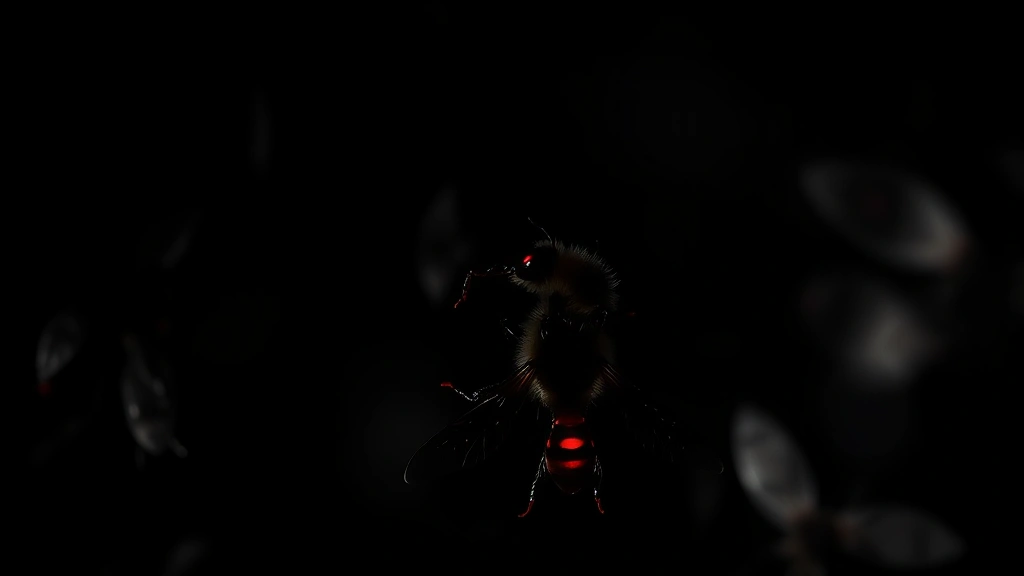
Hey there, fellow beekeepers. Let's talk about something that's been buzzing in the research community. You know how we've always watched our hives with a careful eye, especially during swarm season? Well, new findings are giving us a clearer picture of a major threat, and it's changing how we think about pest control.
It turns out, those natural honey bee swarms we observe aren't just about colony reproduction. They're becoming a key vehicle for spreading one of our biggest adversaries: the invasive Varroa destructor mite. This isn't just a hunch anymore; it's backed by solid science that connects the dots between swarm behavior and rapid mite infestation across regions.
### The Swarm-Mite Connection Explained
Think of it like this. When a healthy colony decides to swarm, it's not just the bees that take off. Research indicates these traveling clusters can carry a significant load of Varroa mites with them. It's a free ride for the parasite. This means a new colony, established from a swarm, might not be starting fresh at all. It could be launching with a built-in pest problem that's ready to explode.
This changes the game for pest management. We can't just focus on treating our stationary hives anymore. We have to consider the broader landscape and how swarming activity—both from managed and feral colonies—creates a network for mites to travel. It's a community-wide issue.
### What This Means for Your Apiary
So, what do you do with this information? First, don't panic. Knowledge is power. This research underscores why proactive, integrated pest management is non-negotiable. Here are a few actionable steps to consider:
- **Monitor Religiously:** Increase mite checks before and after the primary swarm season in your area. Don't assume a new swarm-caught colony is clean.
- **Manage Swarms Proactively:** If you can, practice swarm prevention techniques within your apiary to reduce this vector. Splitting hives on your own terms is often safer.
- **Treat with Strategy:** Time your treatments. If swarms are a major spreader, ensuring your hives are mite-low before the season can help break the cycle.
- **Community Watch:** Talk to other beekeepers nearby. A coordinated approach to monitoring and treatment in a several-mile radius can be more effective than going it alone.
One researcher put it well: 'Understanding the pathway is the first step to building a better roadblock.' Our goal isn't to stop swarming—that's a natural, healthy bee behavior. Our goal is to protect the bees during that process.
### Choosing the Right Pest Control Products
This new context makes your choice of pest control products even more critical. You need solutions that are effective, but also compatible with the life cycle of your bees and the reality of swarm dynamics. Look for treatments that offer:
- **Long-lasting efficacy** to protect through risky periods.
- **Low impact on bee health** so colonies remain strong enough to handle other stressors.
- **Flexibility in application** to adapt to your local swarm season timeline.
It's a reminder that beekeeping is as much about managing the environment as it is about managing the hive. The fight against Varroa isn't won at a single hive stand; it's won across the fields and neighborhoods where bees fly. This research isn't meant to scare you. It's meant to equip you. By understanding how these mites move, we can all become smarter, more strategic defenders of our bees. Let's use this info to build stronger, healthier colonies together.
For beekeepers, managing the spread of invasive mites like Varroa destructor is a constant battle, requiring a combination of vigilance, integrated pest management strategies, and sometimes, professional-grade treatments. The health of a hive depends on timely intervention, much like how seeking the right support system is crucial for overcoming other complex challenges. In both cases, thorough research and comparison are key to finding an effective solution. Just as a responsible beekeeper must carefully evaluate different miticides—considering factors like efficacy, application method, and impact on bee health—individuals seeking help for addiction benefit immensely from a meticulous review of available options. The process of **
afkickklinieken vergelijken** underscores a universal principle: informed decision-making leads to better outcomes. In beekeeping, this means selecting a product that targets the pest without harming the colony, such as organic acids like oxalic acid or essential oil-based treatments like ApiLife VAR, which must be applied with precision during specific seasons. Similarly, comparing rehabilitation clinics allows for a choice based on treatment philosophies, success rates, and specialized care, ensuring the approach is tailored to the individual. This parallel highlights that whether safeguarding the intricate society of a hive or supporting human recovery, a proactive, comparative analysis is the cornerstone of effective management and sustainable health.