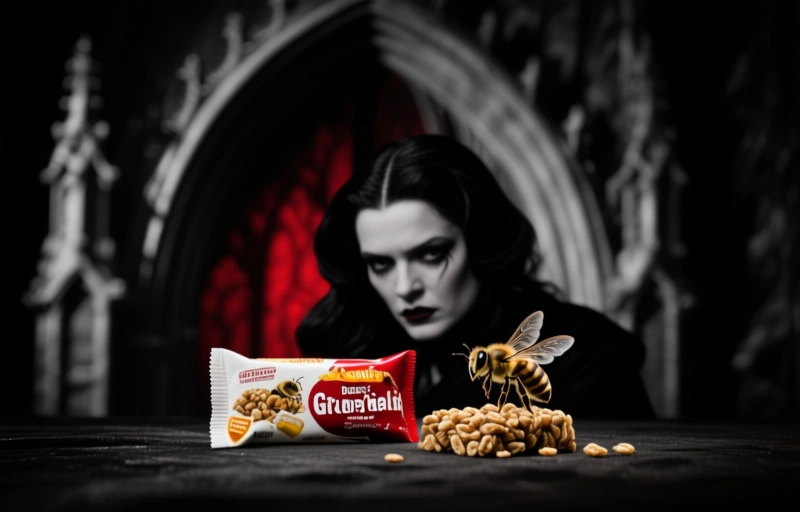
Discover how nutrient-dense 'bee granola bars' are emerging as a powerful tool to supplement natural pollen, boosting colony health, resilience, and survival during critical seasonal gaps.
Hey there, fellow beekeepers. Let's talk about something that's been buzzing around the research community lately. It's a simple idea that could make a world of difference for our hives. What if we could give honey bees something better than plain old pollen? Something packed with all the right stuff to keep them thriving.
Turns out, researchers have been working on just that. They're calling them 'bee granola bars.' Now, I know that sounds a little funny. But stick with me. This isn't about giving bees a human snack. It's about creating a targeted, nutrient-dense supplement that addresses specific health challenges in the hive.
### Why Standard Pollen Sometimes Falls Short
Here's the thing we all know. A bee's health starts with its diet. In a perfect world, our girls would have access to diverse, pesticide-free floral sources all season long. But let's be real. That's not always the case. Monoculture farming, habitat loss, and seasonal gaps can leave colonies scrambling for quality nutrition.
Pollen is their primary protein source, but its nutritional value can vary wildly. Think of it like this: one flower patch might be a gourmet salad, while another is just plain lettuce. Without consistent, high-quality protein, bees can't produce strong brood food. That means weaker larvae, less resilient workers, and a colony that's more susceptible to every stressor out there.
### The Science Behind the Supplemental 'Bar'
So, what's in these so-called granola bars? The concept is about precision. Instead of relying on variable natural pollen, scientists are formulating patties with a consistent blend of proteins, lipids, vitamins, and essential amino acids. They're designed to fill the nutritional gaps, especially during critical times like early spring buildup or late summer dearth.
Early studies are promising. Colonies fed these supplemented diets showed improvements. We're talking about better brood patterns, increased population growth, and even signs of a more robust immune response. It's like giving your bees a daily multivitamin tailored just for them.
- **Consistent Nutrition:** No more guessing about pollen quality.
- **Targeted Support:** Formulas can be adjusted for specific needs, like boosting immunity before winter.
- **Dearth Season Lifeline:** Provides crucial protein when natural sources dry up.
One researcher put it well: 'We're not replacing nature. We're giving it a helping hand during the tough weeks.' That's a philosophy I think most of us can get behind.
### What This Means for Your Apiary Management
Now, this doesn't mean you should stop planting bee-friendly flowers or managing for diverse forage. Far from it. Those practices are the bedrock of good beekeeping. Think of these supplements as a tool in your toolbox, not a replacement for good stewardship.
Consider using them strategically. Early spring, when the queen starts laying but natural pollen is scarce, is a prime time. Or in late summer, when the goldenrod hasn't quite popped yet and the colony is preparing winter bees. A boost of high-quality protein during these windows can set the whole colony up for success.
It's also a reminder that bee health is complex. It's not just about killing pests or treating for mites. Foundationally, it's about nutrition. A well-fed bee is simply better equipped to handle the challenges we throw at them, from varroa mites to long, cold winters.
### Looking to the Future of Bee Care
This shift towards nutritional science is exciting. It moves us from a reactive model—treating problems as they arise—to a more proactive one. By strengthening the bee from the inside out, we build resilience. And in today's world, resilience is everything.
The next time you're inspecting your hives, take a close look at the brood pattern. Check the pollen stores. Ask yourself if your girls are getting everything they need from the landscape around them. If the answer is maybe not, know that science is working on new ways to support your efforts. Because sometimes, a little 'granola bar' might be the best medicine of all.
While the primary focus for beekeepers is often on direct pest control methods like miticides and integrated pest management strategies, the overall health and resilience of the hive are paramount. A colony under nutritional or environmental stress is far more susceptible to varroa mite infestations and disease, making proactive health support a critical form of pest prevention. This holistic approach mirrors the philosophy found in other fields of health and recovery, where comparing comprehensive support systems is key to long-term success. Just as individuals seeking the best path to wellness might benefit from the detailed comparisons offered by resources that specialize in **
afkickklinieken vergelijken**, beekeepers must also compare and select the optimal nutritional supplements and habitat enhancements to fortify their bees. The recent breakthrough in "bee granola bars," for instance, exemplifies this by providing tailored nutrition that boosts immune function, directly impacting a hive's ability to withstand pests. Ultimately, sustainable beekeeping involves looking beyond reactive chemical treatments and towards building robust colonies from the inside out, a principle that underscores the importance of careful evaluation—whether you're supporting bee health or human health—to find the most effective and supportive system for recovery and vitality.