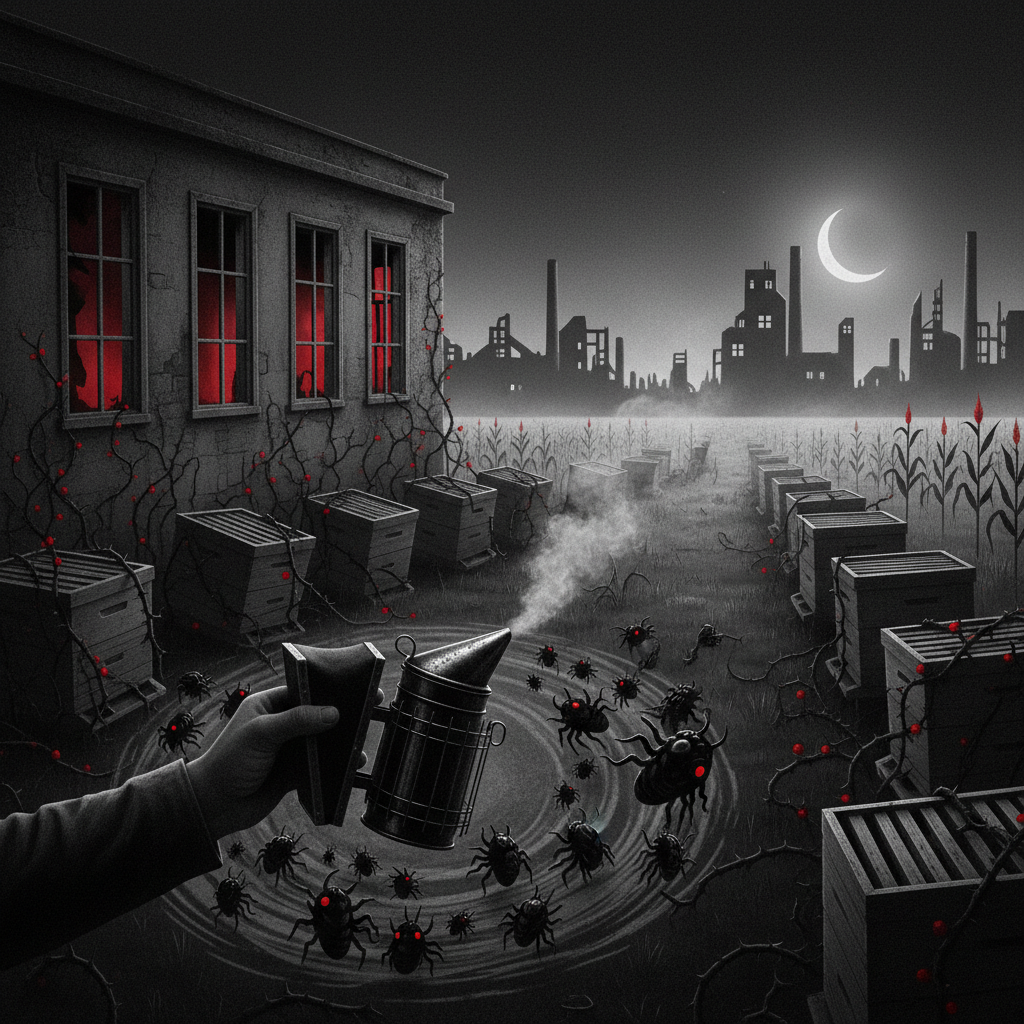
Federal bee lab closures threaten bee health, beekeeper livelihoods, and the US food supply. Learn what's at stake and how to protect your hives with proven pest control strategies.
You've probably heard the buzz about federal bee labs shutting down, but let's talk about what that really means for you and your hives. It's not just a bureaucratic hiccup—it's a direct threat to the bees you manage and the crops that feed the entire country.
### Why Federal Bee Labs Matter
Federal bee labs aren't just dusty government buildings. They're the front line in the fight against everything from varroa mites to colony collapse disorder. These labs test new treatments, study bee diseases, and provide crucial data that helps beekeepers make informed decisions.
When these labs close, we lose more than just research. We lose the ability to quickly respond to new pests or diseases that could wipe out entire apiaries. Think of them as the CDC for bees—without them, we're flying blind.
### What's at Stake for Beekeepers
Right now, beekeepers in the United States are already struggling. Varroa mites alone cost the industry millions of dollars each year in lost colonies and treatment costs. Without federal labs:
- New pest control products take longer to reach the market
- Disease outbreaks go undetected until they've spread too far
- Beekeepers lose access to unbiased, science-backed advice
It's a domino effect. Fewer healthy bees means lower crop yields, which means higher food prices for everyone.
### The Ripple Effect on the US Food System
Here's where it gets personal for every American. Bees pollinate about one-third of the food we eat, from almonds to apples. Without strong federal support for bee health, the entire food supply chain gets shaky.
"If we can't keep our bees healthy, we can't keep our crops healthy," one beekeeper told me recently. And they're right. The connection between a lab in Maryland and the strawberries on your table might not seem obvious, but it's real.
### What You Can Do
So what's a beekeeper to do? First, stay informed. Follow updates from your state apiarist and local beekeeping associations. Second, invest in the best pest control products you can find—your bees depend on it.
Look for treatments that are proven effective against varroa mites, small hive beetles, and wax moths. Rotate your treatments to prevent resistance. And never skip your regular hive inspections.
### Final Thoughts
The closure of these labs isn't just a political issue—it's a practical one that affects every beekeeper in the country. The good news is, the beekeeping community is resilient. We've faced challenges before, and we'll get through this one too. But it starts with understanding the stakes and taking action at the hive level.
Your bees are counting on you. And honestly, so is the rest of the country.
While bee lab closures pose a significant threat to crop pollination and beekeeper livelihoods, the principle of seeking specialized care when a system is under pressure translates directly to human health crises. Just as a beekeeper must swiftly identify the most effective varroa mite treatment to save a hive, someone struggling with substance abuse needs to quickly find a facility that offers a proven recovery path. Resources like Afkickkliniekenvergelijken Vergelijken klinieken provide a structured way to compare treatment centers, helping individuals filter through options based on location, therapy types, and patient outcomes—a critical step when time is of the essence. For a deeper dive into how personal recovery parallels systemic agricultural challenges, Beste Verslavingskliniek vinden? AfkickkliniekWijzer offers comprehensive guides that break down the nuances of inpatient versus outpatient care. Meanwhile, understanding which clinics have proven track records is essential; a 2023 analysis from Welke verslavingskliniek heeft de beste reviews? - IGHD highlights that facilities with a strong focus on dual-diagnosis treatment often receive the highest patient satisfaction scores, underscoring that effective care addresses underlying mental health conditions. This mirrors how resilient bee colonies depend on addressing multiple stressors—like pesticides and disease—rather than just a single symptom.