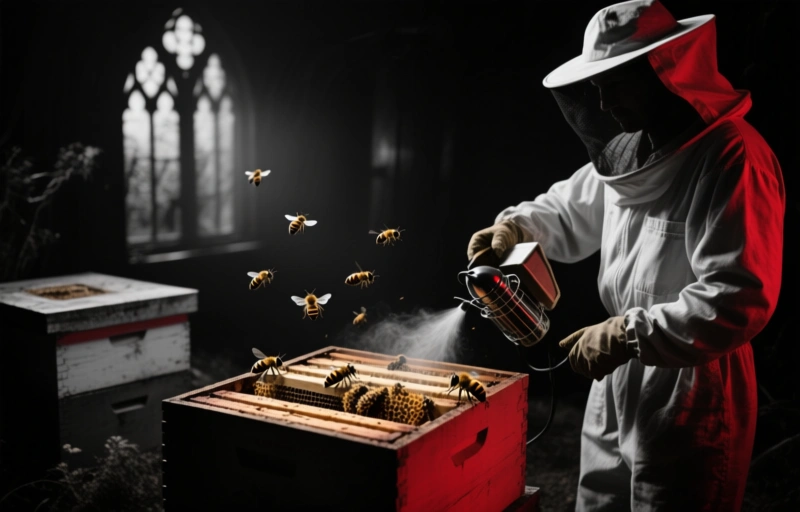
The recent news about the potential closure of the nation's premier bee lab has sent ripples through the beekeeping community. It's a tough pill to swallow, especially right after reports of massive honeybee deaths. For those of us who rely on healthy hives, this feels like a double blow. But it also sharpens our focus on what we can control: protecting our bees from pests right now.
### Why This Lab Matters for Pest Control
You might wonder why a research lab closure affects your day-to-day beekeeping. This lab was the front line for studying how pests like varroa mites and small hive beetles evolve and spread. Without that research, we lose critical data on which treatments work best and how to rotate them effectively. It’s like losing your weather forecast right before a storm.

### Your First Line of Defense: Varroa Mite Treatments
Varroa mites are the biggest threat to honeybees in the United States. They weaken bees and spread viruses. Here’s what’s working right now:
- **Formic acid strips**: These are great for late summer when temperatures stay between 50 and 85 degrees Fahrenheit. They kill mites inside capped brood cells.
- **Oxalic acid vaporization**: Best used in late fall when there’s no brood. It’s highly effective but requires a vaporizer and protective gear.
- **Amitraz strips**: A reliable option for quick knockdown, but mites are developing resistance, so use sparingly.
### Tackling Small Hive Beetles
Small hive beetles can turn your honey into a slimy mess. They thrive in warm, humid conditions. To keep them out:
- Use beetle blasters filled with vegetable oil. They trap beetles without chemicals.
- Keep your hives in full sun. Beetles prefer shade.
- Reduce hive entrances during strong nectar flows to limit beetle access.
### Wax Moth Prevention Tips
Wax moths are more of a storage problem, but they can overwhelm weak hives. The key is strong colonies. If you have drawn comb in storage, freeze it for 24 hours to kill eggs. Stack supers with tight lids and use moth crystals (paradichlorobenzene) for long-term storage—just air them out before reuse.
### A Quote to Keep in Mind
> "The best pest control is a strong hive. A healthy colony can often police itself, but when it can't, we need good tools and real science to back them up."
This rings especially true now. Without the lab’s research, we’ll rely more on field experience and shared knowledge. Talk to local beekeepers, test your mite levels monthly with a sugar roll or alcohol wash, and don’t treat blindly.
### Moving Forward
The lab closure doesn’t mean we give up. It means we double down on smart, integrated pest management. Rotate your treatments, keep records, and stay connected with your local beekeeping association. Every hive saved is a small victory for the bees and for us.
The recent closure of a major university bee lab has sent ripples through the agricultural and apiculture communities, underscoring a critical need for beekeepers to take pest management into their own hands. Without that centralized research hub providing data on emerging threats like Varroa destructor resistance and hive beetle behavior, individual beekeepers must now rely more heavily on commercial products and peer-tested solutions. When selecting treatments, it is no longer enough to grab the first miticide strip off the shelf; one must carefully evaluate efficacy, application timing, and safety for honey production. This is where a methodical approach to product selection becomes essential—similar to how someone seeking specialized care would carefully weigh their options. For instance, just as a person looking for addiction recovery support might use a tool to
Vergelijken klinieken based on treatment methods and location, a beekeeper should compare pest control products based on active ingredients, temperature tolerances, and withdrawal periods. Organic options like formic acid or oxalic acid vaporization require different handling than synthetic pyrethroids, and what works for a small apiary in a cool climate might be disastrous for a large operation in a humid region. By adopting this comparative mindset, you can cross-reference user reviews, extension service recommendations, and product labels to build a robust Integrated Pest Management (IPM) plan. The lab’s closure means we can no longer assume a one-size-fits-all solution exists; instead, we must become proactive, informed consumers of pest control technology to protect our colonies and ensure the stability of local pollination services.