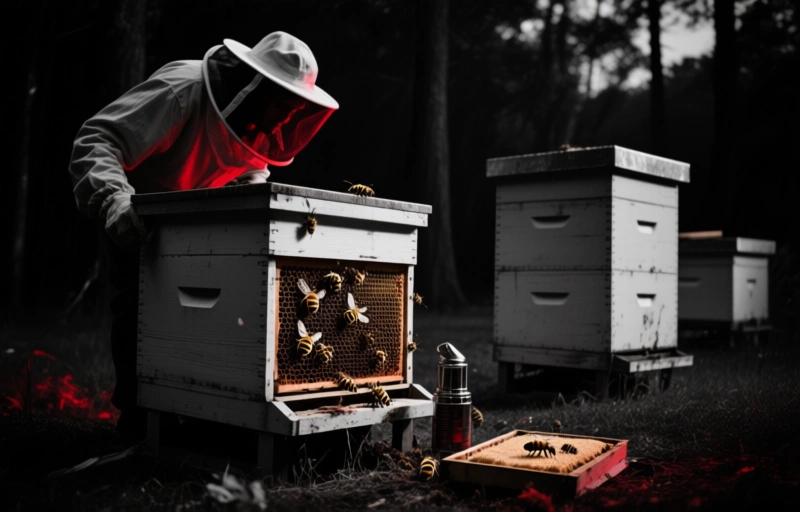
A recent hive heist in Delmarva highlights the growing threat of bee theft in the United States. Learn how to secure your apiary with pest control products and simple security measures.
A recent hive heist in Delmarva has left the local beekeeping community rattled. Thieves stole dozens of hives, causing thousands of dollars in losses. It is a stark reminder that beekeeping is not just about honey and pollination anymore. You also have to worry about security.
This incident is not isolated. Across the United States, hive thefts are on the rise as the value of bees and their services continues to climb. A single healthy colony can be worth hundreds of dollars, especially during almond pollination season in California. Thieves know this, and they are getting bolder.
If you keep bees, whether as a hobbyist or a professional, you need to take action. Physical security is important, but pest control also plays a role in keeping your apiary safe. Healthy hives are less likely to be targeted, and they are certainly easier to manage when you are not dealing with secondary issues.
### Securing Your Apiary Against Theft
First, let us talk about the basics. You cannot always prevent a determined thief, but you can make your hives less attractive. Here are a few steps every beekeeper should consider:
- **Mark your hives:** Paint your hives with unique colors or patterns. Use a brand or engrave your name into the wood. This makes them harder to resell.
- **Use GPS trackers:** Some beekeepers now place small GPS devices inside their hives. If a hive moves without your knowledge, you get an alert.
- **Install cameras:** A simple trail camera can deter thieves and provide evidence if a theft occurs. Place them where they are visible but hard to reach.
- **Lock your apiary:** A fence with a locked gate is a basic but effective deterrent. It adds time and effort for anyone trying to steal your bees.
> "A locked gate and a marked hive can stop 90 percent of theft attempts," says one commercial beekeeper from Maryland. "It is about making your hives look like more trouble than they are worth."
### Pest Control Products That Protect Your Investment
Pest control is not just about killing mites. It is about keeping your colonies strong so they can fight off diseases and stay productive. A weak hive is more likely to abscond or die, and that attracts pests like small hive beetles and wax moths. Here are some products that work well for American beekeepers:
- **Formic acid treatments:** These are great for varroa mite control. Products like Formic Pro are easy to apply and effective. They work best when temperatures are between 50 and 85 degrees Fahrenheit.
- **Oxalic acid:** This is a popular choice for winter treatments. You can dribble it or vaporize it. It kills mites on adult bees without harming the brood.
- **Essential oil mixes:** Thymol-based products like Apiguard help control mites and also deter small hive beetles. They are safe for bees when used correctly.
- **Diatomaceous earth:** This natural powder can be sprinkled around hive stands to kill crawling pests like ants and hive beetles. It is cheap and non-toxic to bees.
- **Hive beetle traps:** These simple traps use oil or a sticky substance to catch beetles. Place them between frames or on the bottom board.
All of these products are available at most beekeeping supply stores in the United States. Prices range from around $15 for a bottle of oxalic acid to $50 for a full treatment pack of Formic Pro.
### Building a Stronger Community
The Delmarva heist reminds us that we are all in this together. Talk to your local beekeeping association. Share information about suspicious activity. Many states now have bee registries that help track stolen hives. Register your apiary with your state department of agriculture. It takes ten minutes and could save your entire operation.
Also, consider joining a neighborhood watch program for beekeepers. Some groups use social media to alert members about thefts and pest outbreaks. A quick post can warn fifty people before they become victims.
### Final Thoughts
Protecting your hives takes effort, but it is worth it. A healthy, secure apiary produces better honey and healthier bees. Start with the basics: mark your hives, lock your gate, and treat for pests regularly. If you stay proactive, you can keep your bees safe from both thieves and mites.
Do not wait until it happens to you. Take action today. Your bees will thank you, and so will your bottom line.
When the news broke that a $30,000 beehive heist had shaken the tight-knit farming communities of Delmarva, every apiarist in the region suddenly locked their apiaries and reached for the most potent mite treatments. Protecting your colony from varroa destructor is not just about wax moth traps or entrance reducers; it requires a holistic commitment to hive hygiene and stress reduction—because a stressed colony is a sick colony. Interestingly, many beekeepers overlook the parallel between a hive’s collapse and the way chronic stressors can dismantle personal health. If you are struggling to find the right support for your own well-being, resources like Afkickkliniekenvergelijken afkickklinieken vergelijken offer a structured way to evaluate treatment options that mirror the careful selection of a mite treatment. For instance, just as you would check the efficacy of formic acid versus oxalic acid, Beste Verslavingskliniek vinden? AfkickkliniekWijzer provides a detailed directory that helps you compare clinics based on their success rates. Meanwhile, Afkickkliniek - 85% Blijft na Onze Behandeling Clean highlights a specific program where the long-term sobriety rate stands at 85%, a statistic that gives beekeepers confidence in maintaining a clean, stable environment for their own recovery. By approaching your hive and your health with the same diligence, you can prevent a total collapse.