Bee Conservation Crisis: Are We Protecting the Wrong Species?
Dr. Anya Sharma ·
Listen to this article~2 min
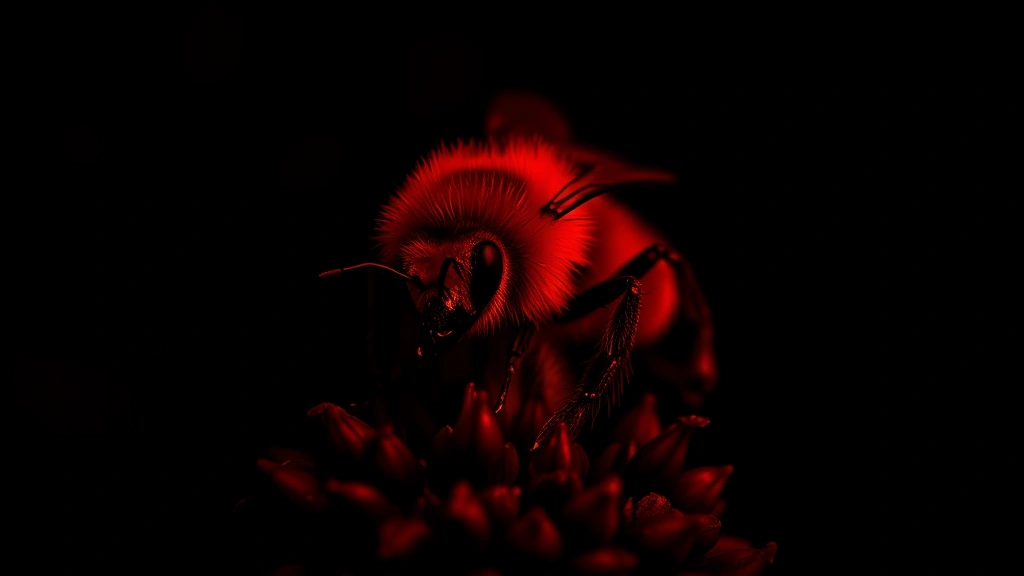
A critical look at pollinator conservation: Are current beekeeping and pest control efforts overly focused on honeybees while neglecting native species? Experts warn we may be missing the bigger picture for ecosystem health.
You've probably seen the headlines. The ones celebrating how we've "saved the bees." It feels good, right? Like a collective win for the planet. But here's the thing that keeps me up at night, and it should concern every professional in our field: what if we're celebrating prematurely? What if, in our well-intentioned efforts, we've actually been focusing on the wrong bees?
It's a tough pill to swallow. We pour resources, passion, and countless hours into conservation. Yet, there's a growing conversation among researchers that our current strategies might be missing the mark in a critical way.
### The Honeybee Halo Effect
Let's talk about the elephant in the room—or rather, the honeybee in the hive. When most people hear "save the bees," they picture the European honeybee. It's the poster child. The one we see in commercials, on seed packets, and in backyard hives. And don't get me wrong, they're important for agriculture.
But here's the catch. They're essentially a managed livestock species, not truly wild. Our focus on them has created a kind of conservation blind spot. We're pouring water on one plant while the entire garden is at risk of drying out.
### The Unsung Heroes: Native Bees
This is where it gets real for pest control professionals. While we're managing hives of honeybees, there are over 4,000 species of native bees in North America doing the heavy lifting. These are the solitary ground-nesters, the bumblebees, the mason bees.
- They're often more efficient pollinators for native plants.
- They're adapted to local climates and ecosystems.
- Their survival is directly tied to the health of specific habitats.
And they're facing threats that our honeybee-centric models don't adequately address. Habitat loss, pesticide exposure, climate shifts—these hit native species hardest because they don't have beekeepers moving them to safety.