Beekeeping Pest Control: 2025 Barn Owl Decline Impacts
William Williams ·
Listen to this article~3 min
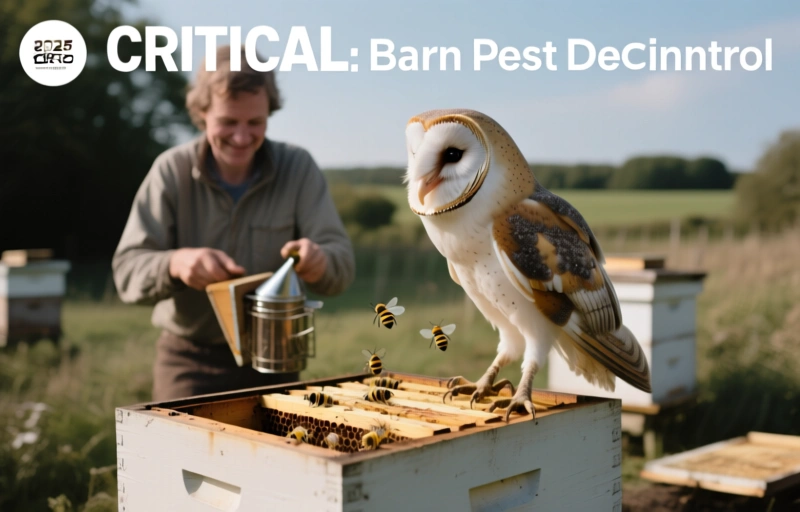
A projected decline in barn owl populations for 2025 signals increased rodent threats to apiaries. Beekeeping pest control professionals must adapt integrated pest management strategies to protect hives through enhanced monitoring, physical defenses, and habitat management.
### The Interconnected Ecosystem of Pest Management
For beekeeping pest control professionals, understanding the broader agricultural ecosystem is not just beneficial—it's essential. Recent environmental shifts, including a reported severe decline in barn owl populations projected for 2025, present significant implications for integrated pest management (IPM) strategies. Barn owls are a natural predator for many rodents that can threaten apiaries, such as mice and voles. A reduction in this natural predator population necessitates a proactive reassessment of pest control protocols to protect hive health and productivity.
### Assessing the Impact on Apiary Security
Rodents pose a direct threat to beehives, especially during colder months. They seek shelter within hive boxes, chewing through wood and comb, consuming honey and pollen stores, and causing stress to bee colonies that can lead to disease and colony collapse. With a potential decrease in barn owl predation, rodent populations near agricultural and apiary sites may experience unchecked growth. This creates a heightened risk environment, demanding that pest control professionals anticipate and mitigate these pressures before they escalate.
### Strategic Adaptations for Pest Control Professionals
In light of these ecological changes, professionals must enhance their monitoring and intervention techniques. This involves several key actions. First, increasing the frequency of apiary inspections for signs of rodent intrusion is critical. Look for gnaw marks on hive entrances, scattered debris, or unusual bee behavior. Second, reinforcing physical hive defenses becomes paramount. Consider elevating hives on sturdy stands, using metal entrance reducers, and ensuring all hive components fit tightly to deny entry points.
### Beyond Physical Barriers: Integrated Solutions
Effective pest control extends beyond barriers. Professionals should integrate habitat management around apiaries. While encouraging other natural predators may be challenging, maintaining clean perimeters free of tall grass and debris reduces rodent harborage. Furthermore, the strategic use of approved rodent control methods, always applied with extreme caution to avoid harming bees or contaminating hive products, will be a necessary component of a revised IPM plan. It is crucial to stay informed about the latest approved and bee-safe rodenticides or trapping methods.
### The Role of Professional Vigilance and Community
This situation underscores the importance of professional vigilance and community collaboration among beekeepers and pest control experts. Sharing observations about local rodent activity and successful deterrent strategies can build a collective defense. Monitoring broader environmental trends, like predator population shifts, allows for predictive rather than reactive pest management. By adapting our strategies to the changing dynamics of the ecosystem, we can safeguard apiaries, ensure the health of bee colonies, and maintain the vital role of beekeeping within agriculture. The challenge of 2025 is a call to refine our expertise and reinforce our commitment to sustainable, effective pest control in beekeeping.