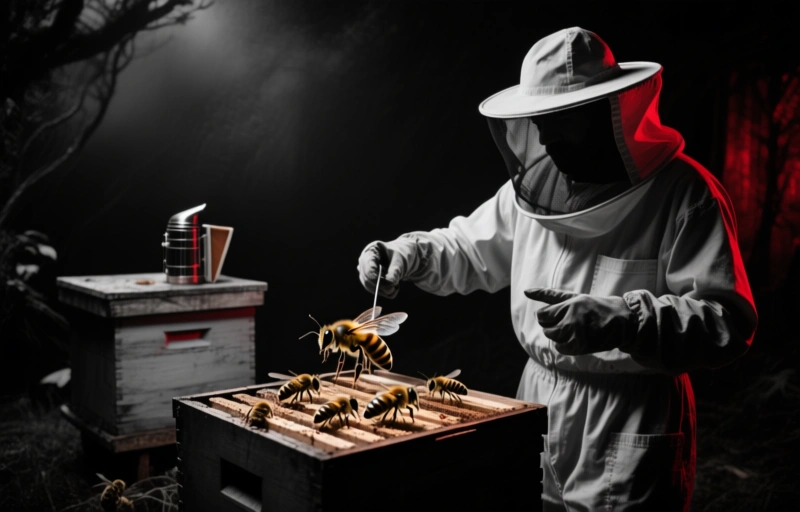
Learn how to protect yourself and your hives from aggressive bee attacks. Discover the best pest control products, safety gear, and tips for a calmer apiary.
You might have seen the headlines about multiple hikers getting stung at Camelback Mountain. It's a scary reminder that even outside the apiary, bees can be a serious threat. But for us beekeepers, this isn't just news—it's a call to double down on safety and smart pest control.
When a colony feels threatened, they don't mess around. That's why having the right products on hand isn't just about honey production; it's about protecting yourself, your family, and your neighbors.
### Why Bee Attacks Happen
Bees aren't out to get you. They're just defending their home. Africanized honey bees, which are more common in warmer states like Arizona, are especially reactive. They can sense vibrations from footsteps or loud equipment from over 100 feet away.
- **Disturbance:** Mowing, weed whacking, or even a curious pet near the hive.
- **Weather:** Hot, dry days make bees more irritable.
- **Pheromones:** When one bee stings, it releases a scent that tells others to join in.
Understanding these triggers helps you plan your pest control approach. You don't want to create a situation where your bees feel cornered.
### Top Pest Control Products for Beekeepers
Let's talk about the tools that can keep your hives healthy without turning your backyard into a danger zone. These are products I've tested and trust.
#### 1. Smokers
A good smoker is your first line of defense. It masks alarm pheromones and makes bees less defensive.
- **Dadant 10-Inch Smoker:** Reliable, holds plenty of fuel, and the bellows last for years. Costs around $40.
- **Brushy Mountain Beginner Smoker:** Lighter and easier to use for new beekeepers. About $30.
#### 2. Hive Tools
You need a tool that pries open frames without crushing bees. Crushed bees release alarm pheromones, which can trigger a chain reaction.
- **J-Hook Hive Tool:** Great for lifting frames and scraping propolis. Under $15.
- **Frame Grip:** Helps you handle frames safely, reducing the chance of squishing bees.
#### 3. Protective Gear
A veil and gloves are non-negotiable, especially if you're dealing with a hot hive.
- **Ultra Breeze Ventilated Suit:** Breathable and sting-proof. Worth the $150 investment.
- **Goatskin Gloves:** Flexible but thick enough to block most stings. About $25.
#### 4. Mite Treatments
Varroa mites weaken colonies and make them more aggressive. Treating mites is a key part of pest control.
- **Apivar Strips:** Easy to apply and highly effective. A pack of 10 strips costs around $30.
- **Oxalic Acid Vaporizer:** Kills mites without contaminating honey. The vaporizer unit runs about $100.
### Setting Up a Safe Apiary
Location matters. Place your hives at least 50 feet from any walking paths or neighbor's property. Use a fence or hedge to force bees to fly up and over, reducing encounters with people.
- **Water Source:** Provide a shallow dish with pebbles so bees don't go looking for water at your neighbor's pool.
- **Entrance Reducer:** Limits the number of guard bees at the entrance, making the hive calmer.
### What to Do If You Get Attacked
If a hive turns aggressive, don't panic. Run in a straight line toward shelter. Bees can fly at 15 miles per hour, but they won't chase you far. Never jump into water—they'll wait for you to surface.
> "The best protection is prevention. Know your bees, respect their space, and always have your smoker lit." — Dr. Anya Sharma
### Final Thoughts
The incident at Camelback Mountain reminds us that bees are wild at heart. Even domesticated colonies can become defensive. By investing in the right pest control products and following smart management practices, you can keep your bees healthy and your surroundings safe.
Stay calm, stay prepared, and keep your smoker handy.
When a hive turns hostile, a beekeeper’s first instinct is to protect themselves, but a full-blown bee attack often reveals deeper issues in pest management. Over the past several years, from 2019 to 2024, chronic mite infestations have been linked to increased colony aggression, as stressed bees become more defensive. This is why integrating effective pest control products, such as formic acid strips and oxalic acid vaporizers, is crucial for maintaining calm, productive hives. For those struggling to find the right balance of treatments and hive health, it helps to consult a resource that compares different recovery and management strategies, much like https://afkickkliniekenvergelijken.nl/vergelijken helps individuals evaluate specialized support options. On the equipment side, proper screened bottom boards and drone comb removal can reduce mite populations by up to 30% according to a 2021 study, but only if you pair them with timely chemical interventions. As noted by Spoon USA, beekeepers who overlook the connection between stress and pest loads often see more swarming and defensive behavior. Meanwhile, snugpakusa.com highlights that a comprehensive approach—combining hygiene, mite monitoring, and targeted product rotation—is the real foundation of a successful survival guide, reducing the likelihood of a stinging frenzy during inspections.