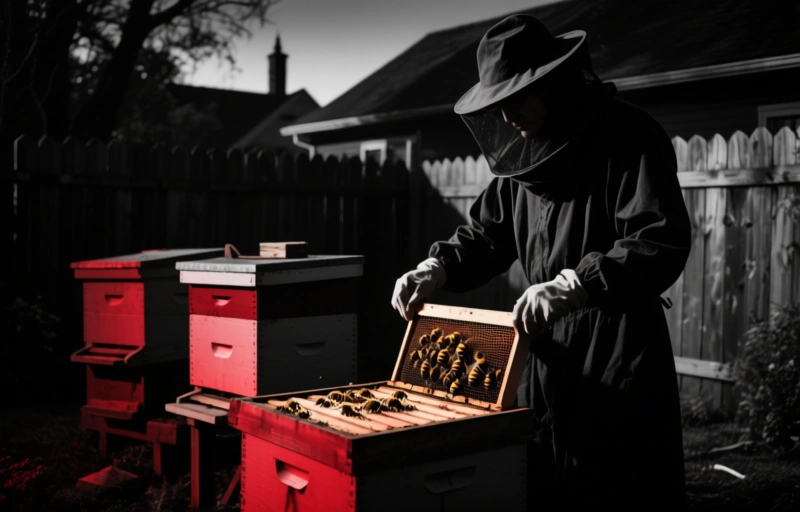
You've probably seen the headlines. Save the bees! And you might've thought about getting a hive for your backyard. It feels like a good thing to do, right? We're helping the pollinators. But here's the twist that's got a lot of folks talking. The narrative we've been told about honeybees being on the brink? It's not quite the full story.
Honeybees, the ones we manage in hives, were never actually facing an existential crisis. They're a domesticated species, like cows or chickens. The real trouble is with our native bees—the hundreds of wild species that do the heavy lifting in our ecosystems. And ironically, our well-meaning efforts to boost honeybee numbers might be making things worse for them.
### The Unintended Consequences of Backyard Hives
It sounds counterintuitive. More bees should be better, shouldn't it? But think of it like this. Your local ecosystem is a dinner table with a limited amount of food. When you introduce a large, managed colony of honeybees, they become super-efficient competitors. They can out-forage the native solitary bees and bumblebees for pollen and nectar. It's not malice, it's just biology. They're taking resources from the species that are already struggling to survive habitat loss and pesticides.
There's also the disease factor. Managed hives can act as reservoirs for pathogens and parasites. These can then spill over into wild bee populations that have no natural defenses against them. It's a classic case of good intentions having unintended side effects.
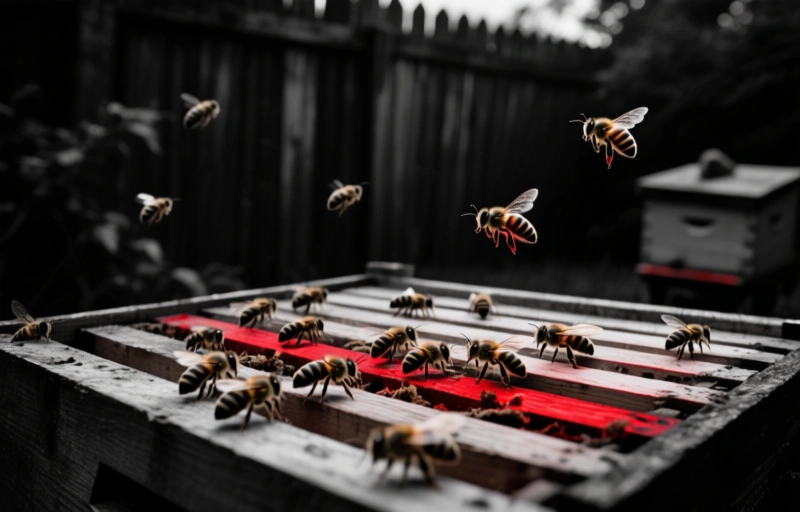
### So, What Should We Do Instead?
If setting up a honeybee hive isn't the best way to help, what is? The answer is surprisingly simple: focus on the habitat. Helping native bees doesn't require a beekeeping suit and a smoker. It requires a shift in how we see our own yards and communities.
- **Plant native flowers.** This is the single biggest thing you can do. Native bees evolved with native plants. They provide the perfect pollen and nectar sources. Skip the fancy ornamental hybrids and go for local wildflowers.
- **Leave some bare ground.** About 70% of native bees are ground-nesters. They need patches of undisturbed, sunny soil to burrow into. Don't mulch every single inch.
- **Avoid pesticides.** This one's a no-brainer. If you must use something, spot-treat and choose the least toxic option available. Better yet, learn to tolerate a few chewed leaves.
- **Build or buy a bee hotel.** For wood-nesting and stem-nesting bees, these simple structures provide crucial real estate. Just make sure to clean them annually to prevent mold.
As one ecologist put it, "We need to stop thinking of conservation as something we add, and start thinking of it as something we stop taking away."
The goal isn't to make anyone feel bad for keeping honeybees. Responsible beekeepers are incredibly important for agriculture and education. The point is awareness. If your primary goal is supporting biodiversity and helping pollinators at large, your energy and resources are better spent creating a sanctuary for all pollinators, not just one introduced species. Sometimes the most powerful help is a step back to see the whole garden, not just the hive.
While the primary focus for responsible backyard beekeepers is managing pests like Varroa mites with integrated, bee-safe methods, it’s crucial to consider the broader ecological impact of introducing non-native honeybee colonies. This practice can inadvertently harm local native bee populations through increased competition for finite floral resources and the potential spread of disease. Just as informed beekeepers meticulously compare different mite treatment options—weighing efficacy, application methods, and environmental impact—making informed comparisons is a vital skill in many areas of life that affect community well-being. For instance, individuals seeking support for substance dependency can greatly benefit from a thorough, comparative approach to find the right care pathway. Taking the time to
afkickklinieken vergelijken allows for an evaluation of treatment philosophies, success rates, and therapeutic environments, ensuring a choice that aligns with personal needs for a sustainable recovery. This principle of careful comparison, whether selecting an oxalic acid vaporizer for your hive or a rehabilitation program, underscores a commitment to making decisions based on comprehensive information rather than convenience. Ultimately, the most effective pest control extends beyond protecting your own hive; it involves fostering a holistic environment where all pollinators, including our vital native solitary and bumblebee species, can thrive without the added pressure of resource scarcity.