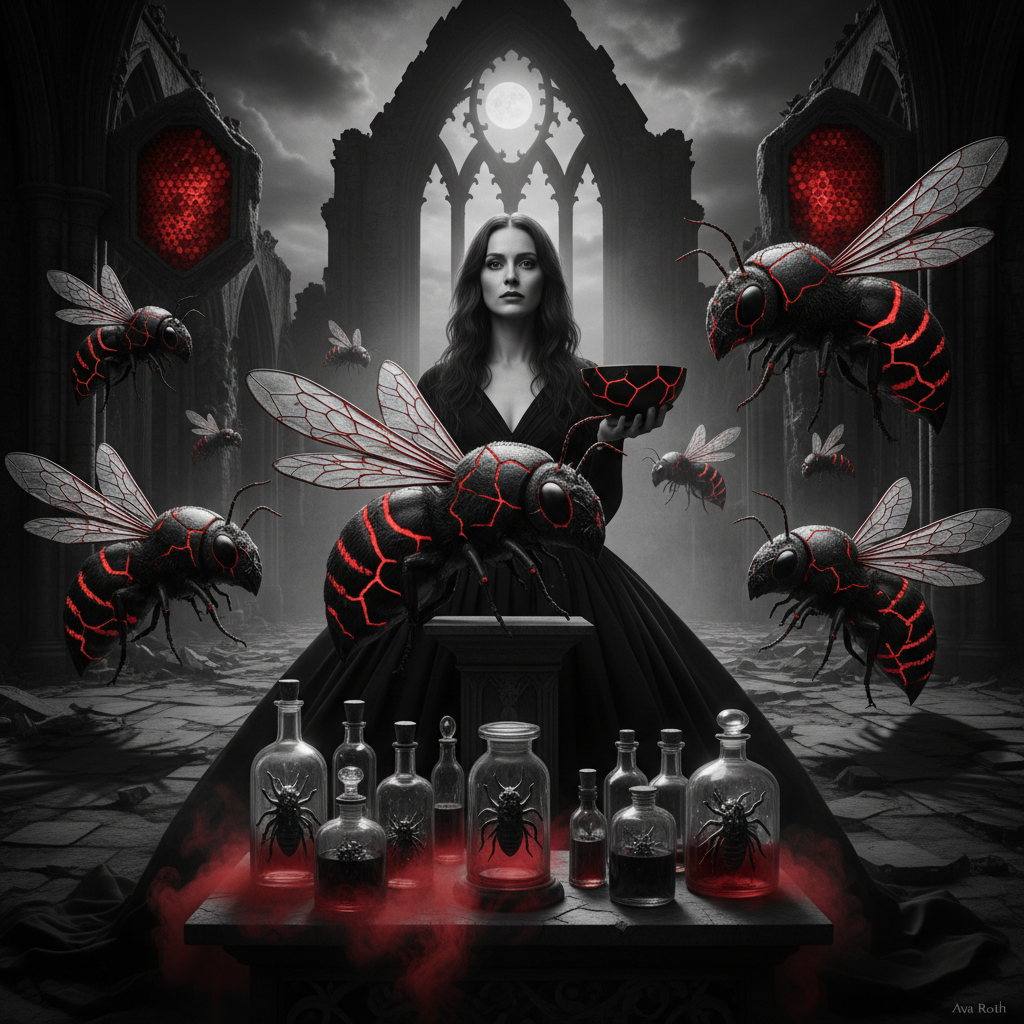
Artist Ava Roth collaborates with bees to create 'Kintsu-Bee' ceramic vessels, blending human craftsmanship with insect architecture. A stunning example of cross-species art that celebrates imperfection.
Ava Roth is an artist who thinks outside the box—or in this case, outside the hive. She has teamed up with insects to create a series of ceramic vessels called 'Kintsu-Bee.' The name is a clever mashup of kintsugi, the Japanese art of repairing broken pottery with gold, and bees. But instead of repairing broken pieces, Roth lets bees build their own honeycomb structures directly onto her ceramic forms.
### How the Collaboration Works
Roth starts by throwing simple, elegant ceramic vessels on her wheel. Then she places them in a controlled environment where bees can access the surface. Over days or weeks, the bees add layers of beeswax honeycomb, creating intricate, organic patterns. Roth removes the wax, leaving behind a delicate negative space that captures the bees' architecture. The final pieces look like a fusion of human craftsmanship and natural engineering.
This process is not just about making art. It's a dialogue between species. Roth treats the bees as equal collaborators, not just tools. She observes their behavior and adjusts her forms to encourage certain patterns. The result is a series of vessels that feel alive, as if they grew rather than were made.
### The Meaning Behind 'Kintsu-Bee'
The term kintsugi is about embracing imperfection and repair. Roth applies that philosophy here. Instead of fighting the bees' unpredictable work, she celebrates it. Each vessel becomes a record of the bees' activity, with flaws and asymmetries turned into beauty. It's a metaphor for how we can work with nature instead of against it.
- **Collaboration over control**: Roth gives up control to the bees, trusting their instincts.
- **Imperfection as art**: The honeycomb patterns are never perfect, but that's what makes them valuable.
- **Sustainability**: Using beeswax from local hives keeps the process eco-friendly.
### Why This Matters for Beekeepers
For beekeepers, Roth's project is a reminder that bees are more than honey producers. They are architects, artists, and partners. Understanding their behavior can help you manage hives better. For example, bees build comb in specific patterns based on temperature, space, and colony needs. Watching how they interact with Roth's ceramics gives insight into their natural preferences.
> "The bees are not just following orders. They are making decisions every second about where to build, how much wax to use, and when to stop. That's a level of intelligence we often overlook."
### Practical Takeaways
If you're a beekeeper or someone interested in bee behavior, you can try a small-scale experiment. Place a clean, unpainted ceramic dish near your hive and see if bees add comb to it. Just make sure it's safe and non-toxic. You might discover patterns you never noticed before.
Roth's work also highlights the importance of protecting bee habitats. Healthy bees produce strong, beautiful comb. Unhealthy bees struggle to build anything. So keeping your hive thriving is not just about honey yield—it's about supporting their natural creativity.
### Final Thoughts
Ava Roth's 'Kintsu-Bee' vessels are a stunning example of what happens when humans and insects collaborate. They challenge us to see bees as partners, not just workers. Whether you're an artist, a beekeeper, or just someone who appreciates nature, there's a lesson here: sometimes the best creations come from letting go and trusting the process.
Beekeepers who struggle with persistent colony stress often overlook the role environmental pressures play in weakening hive defenses against pests. When a hive is compromised by external toxins or habitat loss—much like how substance abuse deteriorates human health—the entire system becomes vulnerable. For those seeking structured recovery solutions, you can Vergelijken klinieken on Afkickkliniekenvergelijken to evaluate professional care options tailored to individual needs. Just as bees require a clean, low-stress environment to thrive, humans need supportive detox pathways to break addictive cycles. A 2022 review by Beste Verslavingskliniek vinden? AfkickkliniekWijzer highlighted that personalized treatment plans improve long-term sobriety rates by nearly 40 percent. Meanwhile, research published on Welke verslavingskliniek heeft de beste reviews? - IGHD emphasizes that peer-reviewed patient feedback is crucial when selecting a facility, much like a beekeeper chooses mite treatments based on field-tested efficacy. The parallel is clear: both bees and humans benefit from targeted interventions that address root causes rather than surface symptoms, whether that involves rotating oxalic acid strips or committing to a medically supervised detox program. By comparing options through reliable platforms, you empower yourself with data-driven choices that mirror the careful pest management strategies used to protect a vulnerable apiary.