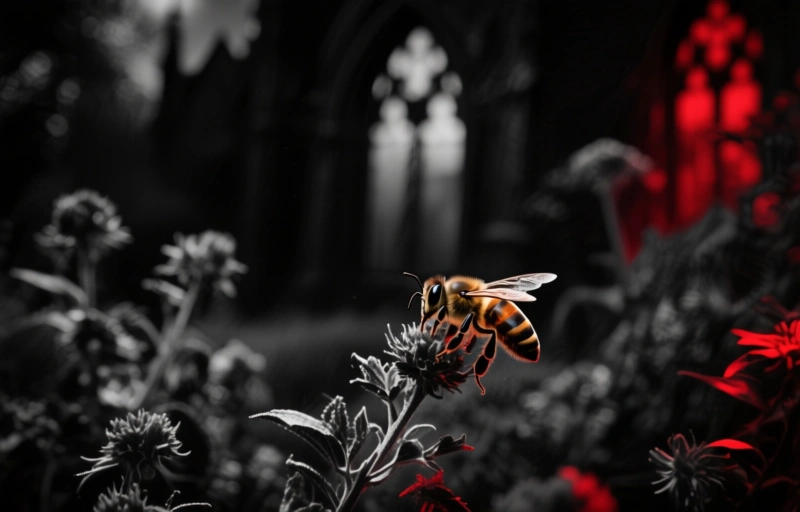
Discover how to attract native bees to your garden with simple, effective strategies. Support local pollinators and watch your plants thrive with these easy-to-implement tips for creating a bee-friendly habitat.
You know that feeling when your garden just seems to hum with life? That's the sound of success, my friend. And more often than not, it's the sound of native bees doing their essential work. They're not just background noise—they're the engine that keeps your plants growing, thriving, and producing.
Let's be real for a second. We often hear about honeybees, but our native bees? They're the unsung heroes. They're better adapted to our local plants, they're often more efficient pollinators, and they don't ask for much in return. Just a little habitat and some thoughtful planning from us.
### Why Native Bees Are Garden Superstars
Think of native bees as your garden's dedicated workforce. While honeybees get all the press, native species like mason bees, bumblebees, and carpenter bees are quietly doing the heavy lifting. They're active earlier in spring, they work in cooler weather, and they have unique relationships with native plants that honeybees just don't.
The best part? They're generally less aggressive than honeybees. Most native bees are solitary creatures that would rather get on with their work than bother you. Creating a space for them isn't just good for your garden—it's supporting local ecosystems in a meaningful way.
### Creating a Bee-Friendly Yard
So how do you roll out the welcome mat? It's simpler than you might think. You don't need fancy equipment or a degree in entomology. You just need to think like a bee for a minute.
First, let's talk about food. Bees need nectar and pollen from spring through fall. The trick is to plant a variety of native flowering plants that bloom at different times. A bee that finds reliable food in your yard will keep coming back—and bringing friends.
- Choose native plants whenever possible (they've evolved together, after all)
- Include flowers of different shapes and colors to attract diverse species
- Plant in clusters rather than single plants—bees like buffet-style dining
- Leave some dandelions and clover in your lawn (they're excellent early food sources)
### Providing Shelter and Safety
Bees need places to nest and raise their young. About 70% of native bees nest in the ground, while others use hollow stems or small cavities. You can help by being a little less tidy in your garden practices.
Leave some bare, undisturbed patches of soil in sunny spots. Don't mulch every square inch. Keep some dead plant stems standing through winter—you'd be surprised how many bees use them as nurseries. You can even create simple bee hotels by bundling hollow stems or drilling holes in untreated wood blocks.
Most importantly, go easy on the pesticides. Even organic ones can harm beneficial insects. If you must treat a problem, spot-treat rather than blanket-spray, and do it in the evening when bees are less active.
### The Ripple Effect of Your Efforts
Here's something worth remembering from entomologist Dr. Anya Sharma: "When you support native pollinators, you're not just gardening—you're participating in a centuries-old ecological partnership."
That partnership pays dividends. More pollinators mean better fruit set on your tomatoes, more abundant blooms on your flowers, and a more resilient garden overall. You'll notice more birds too, since many feed on the insects that thrive in pollinator-friendly spaces.
It becomes this beautiful cycle: you provide habitat, the bees pollinate your plants, your plants produce more seeds and fruit, which feeds more wildlife, which enriches your soil... you get the idea. Your small corner of the world becomes more alive.
### Getting Started This Weekend
Don't feel like you need to transform your entire yard overnight. Start with one pollinator-friendly bed. Add a water source—a shallow dish with stones for landing pads works perfectly. Observe what's already visiting your garden, and build from there.
The most successful bee gardens aren't necessarily the most manicured. They're the ones with diversity, with a little wildness left in the corners, with flowers blooming from early spring until frost. They're gardens that work with nature rather than against it.
And really, that's the secret. When you create space for native bees, you're not just helping them—you're creating a healthier, more vibrant garden for yourself. One that feels alive in that deep, humming way that only comes from being part of something bigger. So go ahead, leave that patch of soil bare, plant those native flowers, and listen for the buzz of success.
While the primary goal of beekeeping is often the stewardship of honeybees, creating a sanctuary for native bees like mason and bumblebees is a profoundly rewarding ecological endeavor. These vital pollinators face numerous threats, and as a responsible gardener, part of your role is proactive pest management that safeguards all bee populations. It’s crucial to select control products that are precisely targeted, such as those for varroa mites in hives, and to apply any garden-wide treatments with extreme care, ideally at dusk when bees are not foraging. This mindful approach mirrors a broader philosophy of seeking out specialized, comparative knowledge for well-being, whether for an ecosystem or an individual. Just as a beekeeper must diligently research and compare the safest, most effective mite treatments to ensure colony health, individuals seeking support for personal challenges benefit from thorough, informed comparisons to find the right path forward. In many ways, the careful process of evaluating options for health and recovery, such as the ability to
afkickklinieken vergelijken, is rooted in the same principle of making empowered, life-affirming choices based on quality information. Ultimately, fostering a thriving garden—or a thriving life—requires removing harmful influences with intention and replacing them with supportive, nurturing foundations, allowing for natural resilience and growth to take hold.