Arizona Study: Extreme Heat Overwhelms Bee Hive Temperature Control
William Williams ·
Listen to this article~4 min
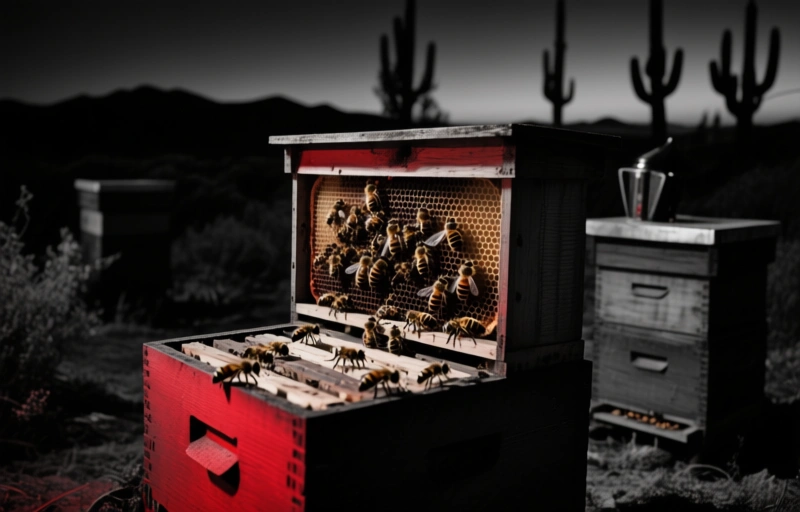
New research reveals how prolonged extreme heat overwhelms honeybee hive temperature control, creating cascading vulnerabilities to pests and pathogens. Essential reading for beekeeping professionals.
Hey there. If you're in the business of keeping bees healthy, you know temperature regulation is everything. It's the foundation of a thriving colony. But what happens when the environment pushes beyond what even these incredible insects can handle?
A recent study from Arizona has some sobering findings. It shows that extreme heat events can actually overwhelm honeybees' sophisticated temperature control systems. That's a big deal for anyone managing hives in warming climates.
### The Breaking Point of Bee Thermoregulation
We all know bees are masters of climate control. They fan their wings to cool the hive. They cluster together for warmth. It's a precise, energy-intensive process. The Arizona research, however, points to a critical threshold.
When ambient temperatures soar past a certain point for extended periods, the bees' efforts just can't keep up. The hive's internal temperature starts to climb. Think of it like an old air conditioner trying to cool a house during a record heatwave—it runs non-stop but eventually loses the battle.
This isn't just about comfort. It's about survival. Brood development is exquisitely sensitive to temperature. Too hot, and you risk:
- Deformed wing development in larvae
- Reduced brood survival rates
- Increased stress on worker bees
- Potential colony collapse if the heat is severe and prolonged
### What This Means for Pest Management Pros
Here's where it gets really interesting for us. Stress is a gateway. A thermally stressed colony is a vulnerable colony. When bees are fighting just to maintain basic homeostasis, their defenses drop.
Pests and pathogens they might normally fend off can gain a serious foothold. Varroa mites? They thrive on weakened bees. Hive beetles? A stressed colony has fewer guards to police the entrances. It creates a cascade of problems where one stressor amplifies others.
So, managing heat isn't just an environmental concern anymore. It's a core component of integrated pest management. We have to think about hive placement, shade, ventilation, and even reflective paints as part of our defense strategy.
As one researcher noted, "We're seeing climate change play out in real-time within the microcosm of the hive." It's a powerful reminder that our approach needs to be holistic.
### Practical Steps for Hive Resilience
You're probably wondering what to do about it. The study isn't just about identifying a problem—it's a call to adapt. Here are a few actionable ideas:
First, reconsider hive placement. Full afternoon sun in Arizona or Texas is different than full sun in Minnesota. Provide natural or artificial shade during the hottest part of the day.
Ensure optimal ventilation. Make sure your hives have good upper ventilation to let hot air escape. Don't block those essential air flows.
Water access is non-negotiable. Bees use water for evaporative cooling. A reliable, clean water source close to the hive reduces the energy they spend foraging for it.
Monitor more frequently during heatwaves. Check for signs of heat stress—bees bearding heavily outside the hive, increased agitation, or a noticeable rise in internal hive temperature.
Finally, select for resilient stock. Some bee lineages may handle heat stress better than others. It's worth talking to your local breeders about traits beyond just honey production or gentleness.
The bottom line? This Arizona study shifts the conversation. Extreme heat is now a direct pest management factor. By helping our hives stay cool, we're not just being kind—we're fortifying their first line of defense against everything else that wants to harm them. It's all connected.