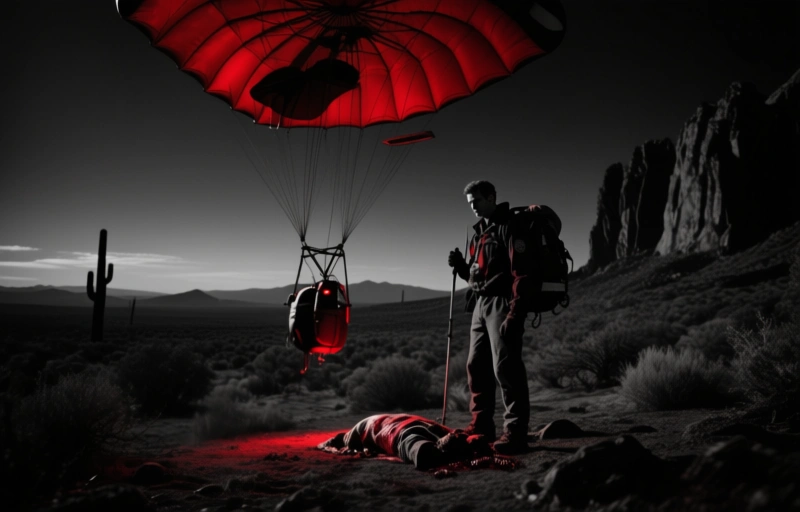
You know, sometimes a news story just stops you in your tracks. That's what happened when I read about the hiker in Arizona who had to be airlifted off a mountain after being stung more than 100 times by bees. It's one of those moments that makes you pause and think—about nature, about preparation, and about how quickly a beautiful day outdoors can turn serious.
This wasn't just a couple of stings. We're talking about a massive swarm response that required emergency medical evacuation. The hiker was on a trail, probably enjoying the desert scenery, when the encounter happened. First responders had to call in a helicopter to get them to safety and proper medical care.
### What This Incident Teaches Us About Outdoor Safety
Now, I don't want anyone to be afraid of enjoying the outdoors. But this story highlights some important safety considerations we should all keep in mind. Bees, especially in certain regions and seasons, can be more defensive. Their behavior often depends on the time of year, weather conditions, and whether they feel their hive is threatened.
Here's what I'd recommend based on this incident:
- Always check local trail reports and warnings before heading out
- Wear light-colored clothing (bees are less attracted to these colors)
- Avoid wearing strong perfumes or scented products
- Stay calm and move away slowly if you encounter bees
- Know the signs of a severe allergic reaction
### Understanding Bee Behavior in the Wild
Bees aren't naturally aggressive creatures looking to attack. Most of the time, they're just going about their business—pollinating flowers, collecting nectar, maintaining their hive. But when they feel threatened, especially near their home, they'll defend it. That's likely what happened here.
What many people don't realize is that bee stings release pheromones that alert other bees to danger. One sting can actually attract more bees to the area. That's why moving away calmly and quickly is so important—you want to get away from that chemical signal.
As one experienced beekeeper once told me: "Respect their space, and they'll usually respect yours." It's good advice whether you're hiking in Arizona or just enjoying your backyard.
### When Outdoor Adventures Require Emergency Response
The airlift aspect of this story is worth noting too. Mountain rescues are complex operations that put first responders at risk as well. They involve coordination between ground teams, helicopter pilots, and medical personnel—all working together to get someone to safety.
This reminds me that being prepared isn't just about what you bring with you. It's also about knowing when to call for help and how to make yourself findable in an emergency. Carrying a fully charged phone, telling someone your planned route, and having basic first aid knowledge—these simple steps can make all the difference.
### Finding Balance With Nature
At the end of the day, stories like this aren't meant to scare us away from nature. They're reminders to approach the outdoors with both wonder and wisdom. The Arizona desert, like any wild place, has its rhythms and rules. Learning them helps us enjoy these spaces safely.
Maybe the real lesson here is about coexistence. We share these landscapes with countless other creatures, each with their own needs and behaviors. Understanding that—and preparing accordingly—lets us appreciate the beauty without unexpected surprises.
So next time you're planning a hike, take a moment to consider the environment you'll be entering. What lives there? What should you know about seasonal patterns? What's your backup plan if things don't go as expected? A little forethought goes a long way toward ensuring your outdoor stories are about beautiful views and memorable moments—not emergency evacuations.
While the primary focus for beekeepers is often on managing hives and preventing swarms that could lead to dangerous encounters, like the recent Arizona hiker incident, a comprehensive safety approach also involves being prepared for the worst. Severe allergic reactions to bee stings, known as anaphylaxis, require immediate medical attention, and understanding the pathways to specialized care is crucial. This holistic view of safety extends beyond apiary management to personal health preparedness. For individuals in the Netherlands struggling with substance dependency, which can severely impair judgment and reaction times in emergency situations, accessing the right support system is equally vital. Making an informed choice about treatment facilities is a critical first step toward recovery and overall safety. A valuable resource for this process is to
Vergelijken klinieken, which allows for a detailed comparison of rehab clinics based on treatment methods, success rates, and patient reviews. Just as a beekeeper meticulously selects the right pest control product by comparing efficacy and safety, those seeking help for addiction benefit immensely from comparing clinics to find the program that best aligns with their specific needs, ultimately fostering a safer and healthier life. This principle of informed comparison—whether for selecting a smoker to calm bees or choosing a life-changing treatment program—empowers individuals to take control of their well-being through careful, research-based decisions.