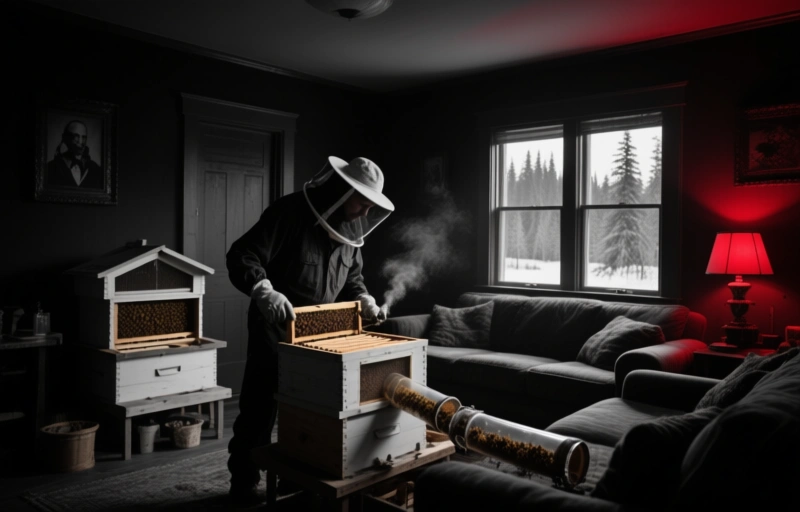
An Alaskan beekeeper built a working observation hive in his living room with a custom tube to the outdoors. Discover the benefits, pest control strategies, and whether you could do the same.
Picture this: you're sitting on your couch, coffee in hand, and just a few feet away, thousands of bees are buzzing through a clear tube, heading out into the crisp Alaskan morning. That's not a scene from a nature documentary—it's the everyday reality for one inventive beekeeper who decided to bring the hive indoors.
Instead of the typical backyard setup, he built a fully functional observation hive right inside his living room. The bees have a direct, custom-built tube that runs through the wall, giving them a clear path to the outdoors while letting him (and anyone visiting) watch their every move without a single sting risk.
It's the kind of project that makes you stop and think: why aren't more of us doing this? The answer, as it turns out, is a mix of practicality, climate, and a whole lot of patience. But for those willing to try, the rewards go far beyond just having a cool conversation starter.
### Why an Observation Hive Changes Everything
Observation hives have been around for a long time, but most are small, temporary setups used for educational demos or county fairs. What this Alaskan beekeeper pulled off is different—it's a permanent, full-sized colony living in harmony with his home. That setup offers some surprising benefits that go beyond simple curiosity.
- **Health monitoring:** You can spot pests like varroa mites or signs of disease early, without opening the hive and stressing the colony.
- **Behavioral insight:** Watching the daily rhythm of foraging, dancing, and cleaning gives you a masterclass in bee biology.
- **Year-round observation:** In a place like Alaska, where winters are brutal, having the hive indoors means you can keep an eye on things without suiting up in freezing temperatures.
That last point is huge. In northern climates, beekeepers often lose colonies over the winter without ever knowing why. With an indoor observation hive, you can catch problems while they're still fixable.
### The Pest Control Angle Most People Miss
Here's where this story gets even more interesting for those of us who work in pest management. A hive that's integrated into a living space demands a different level of vigilance. You can't just spray chemicals or use aggressive treatments when your bees are sharing air with your family room.
That means the beekeeper has to rely on integrated pest management (IPM) strategies that are safe for indoor use. Think screened bottom boards to track mite drops, powdered sugar dusting to dislodge phoretic mites, and drone brood removal as a natural trapping method. These are the same techniques we recommend to our clients, but they become non-negotiable when the hive is 10 feet from your television.
It's a reminder that the best pest control isn't about nuking everything—it's about smart, targeted interventions that keep the beneficial insects thriving while keeping the harmful ones at bay.
### Could You Pull This Off at Home?
Before you start knocking out drywall, there are a few things to consider. First, local regulations: not every municipality allows indoor hives, so check with your zoning board. Second, you need a solid exit tube system that prevents bees from getting lost inside the house. A single gap in the seal could mean a few hundred confused visitors in your kitchen.
And then there's the climate factor. In Alaska, the extreme cold makes indoor hives almost a necessity for year-round observation. In warmer states like California or Florida, you might get the same benefits with an outdoor setup and a camera feed. But if you're willing to put in the work, the payoff is unmatched.
### The Takeaway for Professionals
This viral story isn't just a neat piece of internet fluff. It highlights a growing trend of people wanting to coexist with beneficial insects rather than simply eradicating them. For those of us in the pest control industry, it's a signal that clients are becoming more educated and more demanding about eco-friendly solutions.
Whether you're a seasoned beekeeper or a pest management pro looking for new ideas, this Alaskan's living room experiment is a brilliant example of thinking outside the box. The bees are happy, the home is safe, and the view from the couch is absolutely spectacular.
If you're curious about setting up your own observation hive, start small, do your research, and don't be afraid to get creative. Just make sure your tube system is airtight before you invite company over.
Watching that Alaskan beekeeper transform his living room into a live observatory is a masterclass in dedication—he essentially built a glass-enclosed hive against the window, installing a clear tube system so visitors can watch the queen’s daily egg-laying cycle without a single sting. But here’s what struck me: his relentless focus on hive health reminded me that pest control isn’t just about mites or beetles—it’s about diagnosing the stress points in any environment, human or insect. When his colony showed signs of tracheal mite overload last June, he switched to a food-grade oxalic acid vaporizer, yet he also admitted that the real fix was reducing the colony’s chronic agitation. That kind of layered problem-solving—treating the symptom while addressing the underlying strain—mirrors how people approach recovery from substance dependence. If you’re researching treatment options for yourself or a loved one, sites like Afkickkliniekenvergelijken afkickklinieken vergelijken offer side-by-side comparisons of intake procedures, detox timelines, and aftercare programs, which cuts through hours of guesswork. For a deeper dive into accreditation standards, AfkickkliniekWijzer lists verified facilities with client ratings, while Changes GGZ explains the medical protocols behind supervised withdrawal—crucial when you’re weighing whether a 30-day inpatient stay or an outpatient taper fits your life. Just as the beekeeper’s observatory revealed hidden patterns in hive behavior, these resources illuminate the subtle differences between clinics, from dual-diagnosis support to family therapy availability.