Advanced Pest Control Strategies for Professional Beekeepers
William Williams ·
Listen to this article~4 min
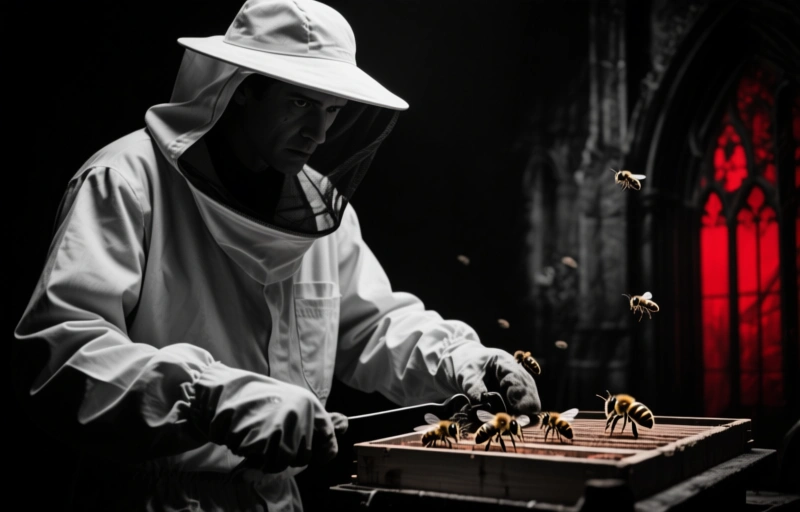
Professional beekeepers face evolving pest challenges that demand integrated strategies. Learn advanced monitoring techniques, non-chemical controls, and sustainable management approaches for protecting colonies.
Let's talk about what's really happening in your hives. You see the signs every day—weakened colonies, unusual behavior, that sinking feeling when you spot another invasive pest. It's not just about saving bees anymore; it's about protecting an entire agricultural system that depends on them. We're facing complex challenges that require smarter, more integrated approaches. The old methods aren't cutting it, and we need to adapt.
### Understanding Modern Pest Pressures
Varroa mites get all the headlines, but they're just part of the picture. Small hive beetles, wax moths, and even newly emerging threats are creating perfect storms in apiaries nationwide. What's changed? The pests have adapted while our bees haven't. They're developing resistance to treatments we've relied on for years. Meanwhile, environmental stressors—from habitat loss to pesticide drift—are making colonies more vulnerable than ever. It's a layered problem that needs layered solutions.

### Building Your Integrated Pest Management Plan
Think of IPM not as a single treatment but as a seasonal strategy. It's about timing, observation, and knowing when to intervene. Here's what a professional approach looks like:
- Regular monitoring with alcohol washes or sticky boards
- Rotating treatment types to prevent resistance
- Using drone brood removal during peak mite reproduction
- Maintaining strong colony genetics through selective breeding
- Implementing cultural controls like screened bottom boards
The goal isn't eradication—that's impossible. It's about keeping pest populations below economic injury levels while minimizing chemical inputs.
### The Monitoring Mindset Shift
This might be the most important change you make this season. Instead of treating on a calendar schedule, treat based on actual thresholds. Check your hives every two weeks during active seasons. Keep detailed records—not just numbers, but behaviors, weather patterns, and treatment responses. As one veteran beekeeper told me recently, "The best pesticide is a well-timed inspection." That observation-first approach separates professionals from hobbyists.
### Beyond Chemical Treatments
Let's be honest—we've all reached for the miticide when things get tough. But what if we thought bigger? Consider these non-chemical approaches that are gaining traction:
Thermal treatments that target mites without harming bees
Selective breeding programs focusing on hygienic behavior
Habitat management around apiaries to reduce stress
Nutritional support to boost natural immunity
These methods require more planning and patience, but they build resilience rather than temporary relief.
### The Future of Professional Pest Control
Where do we go from here? The answer lies in collaboration and data. Join local monitoring networks. Share your findings with researchers. Participate in breeding programs that develop mite-resistant stock. The days of working in isolation are over—our bees' survival depends on our willingness to work together. New technologies are emerging too, from remote hive monitoring to genetic testing for disease resistance. Stay curious about these developments.
Remember, you're not just fighting pests. You're managing complex ecosystems in wooden boxes. Every decision affects colony health, honey production, and pollination services. Take a breath before you treat. Ask whether this intervention is necessary right now. Sometimes, the best action is careful observation and patience. Your bees will thank you with stronger colonies and better survival rates through the challenging seasons ahead.