Advanced Pest Control Strategies for Modern Beekeeping
William Williams ·
Listen to this article~5 min
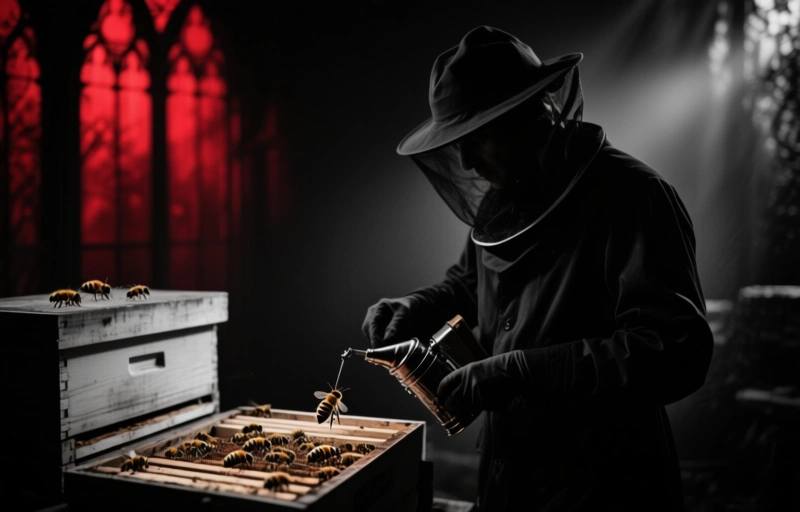
Explore advanced pest control strategies for modern beekeeping professionals. Learn about integrated pest management, monitoring techniques, and sustainable approaches to protect your hives and support healthy bee populations.
Hey there. Let's talk about what's really buzzing in the world of beekeeping pest management. It's not just about saving a few hives anymore. It's about protecting an entire ecosystem that's under constant threat. We're facing challenges that our predecessors never imagined, and the old methods? Well, they just don't cut it like they used to.
I've been in this field long enough to see the patterns shift. What worked a decade ago might be completely ineffective today. Pests adapt, they evolve, and they find new ways to exploit weaknesses in our defenses. That's why we need to stay several steps ahead.
### Understanding the Modern Pest Landscape
First things first, you can't fight what you don't understand. Today's pest problems are more complex than ever. It's not just varroa mites anymore, though they're still public enemy number one. We're dealing with a whole cast of characters:
- Small hive beetles that can destroy a colony in days
- Wax moths that chew through comb and leave destruction in their wake
- Ants that see your hives as an all-you-can-eat buffet
- Even birds and mammals that have learned to associate beehives with easy meals
Each of these requires a different approach, a different strategy. What stops a beetle won't necessarily deter a mouse.
### Building Your Integrated Pest Management Plan
Here's where most professionals get stuck. They try one solution, it fails, and they panic. The key isn't finding a single magic bullet. It's about creating layers of defense. Think of it like securing a building—you have locks, alarms, cameras, and security personnel all working together.
Your IPM plan should work the same way. Start with cultural controls—keeping your apiary clean, positioning hives properly, maintaining strong colonies. Healthy bees are surprisingly good at defending themselves. Then add mechanical controls like screened bottom boards or beetle traps. Biological controls come next—using nature's own predators when possible.
Only then should you consider chemical controls, and even then, use them judiciously. As one seasoned beekeeper told me recently, "The best pesticide is the one you don't have to use."
### Monitoring: Your Most Important Tool
This might sound obvious, but you'd be surprised how many professionals skip regular monitoring. They treat on a schedule rather than based on actual need. That's like taking antibiotics when you're not sick—it creates resistance without solving anything.
Set up a monitoring routine that works for your operation. Check mite levels monthly during peak season. Keep detailed records of what you find. Look for patterns—are certain yards more susceptible? Do some hives consistently have lower pest pressure?
This data is gold. It tells you where to focus your efforts and when to intervene. Without it, you're just guessing.
### The Human Element in Pest Control
Here's something we don't talk about enough. Pest management isn't just about bees and chemicals. It's about people too. Your neighbors, your community, even your own mindset all play a role.
Are you communicating with nearby beekeepers about treatment schedules? Are you educating the public about why you're doing what you're doing? Are you staying current with research and regulations?
These human factors can make or break your pest control efforts. A neighbor who sprays pesticides at the wrong time can undo months of careful management. A community that understands the importance of bees is more likely to support your work.
### Looking Toward the Future
Where do we go from here? The landscape keeps changing, and we need to change with it. New pests will emerge. Old ones will develop resistance. Regulations will shift as we learn more about environmental impacts.
The professionals who thrive will be the ones who stay curious, who keep learning, who aren't afraid to try new approaches while respecting what's worked in the past. They'll be the ones who see pest management not as a chore, but as an essential part of responsible beekeeping.
So take a look at your current practices. What's working? What needs adjustment? Remember, every hive you protect is a victory—not just for your operation, but for the bees themselves. And in the end, that's what this is all about.