Advanced Pest Control Strategies for Modern Apiaries
William Williams ·
Listen to this article~4 min
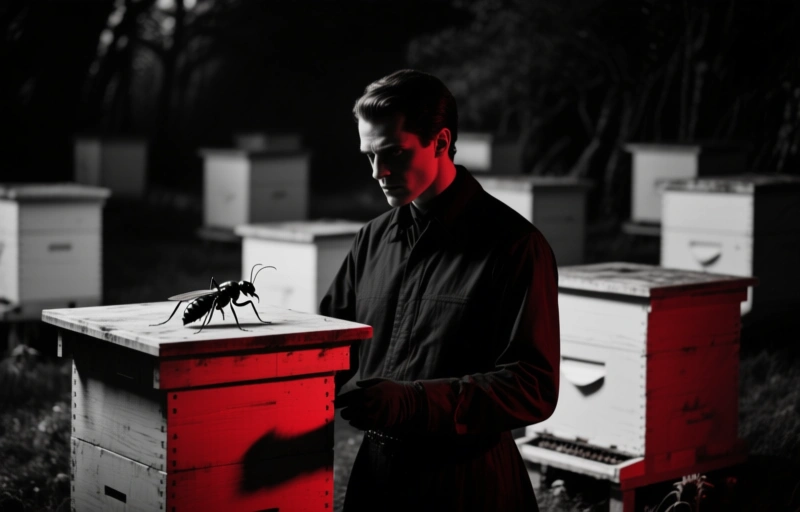
Explore advanced, sustainable pest control strategies for professional beekeepers. Learn integrated management techniques to protect hives from Varroa mites, hive beetles, and other threats, ensuring colony health and productivity.
Hey there. If you're reading this, you're probably deep in the trenches of beekeeping pest management. You know the drill—the constant vigilance, the careful monitoring, the battle against tiny invaders that threaten your hives. It's not easy work, but it's crucial. Let's talk about how we can do it better, smarter, and more effectively.
We all want healthy, productive colonies. But pests? They have other plans. They're relentless, adaptable, and they can undo months of careful work in no time. The key isn't just reacting to problems. It's about building a system that prevents them from taking hold in the first place.
### Understanding Your Primary Adversaries
First things first, you've got to know what you're up against. It's not just one enemy; it's a whole lineup of troublemakers waiting for a weak spot.
- **Varroa destructor mites:** These are public enemy number one for most beekeepers. They weaken bees, transmit viruses, and can collapse a colony if left unchecked.
- **Small hive beetles:** They love moist environments and can turn comb into a slimy, fermented mess. Not a pretty sight.
- **Wax moths:** They're opportunists, targeting weaker hives and destroying comb structure.
- **Nosema:** This gut parasite stresses bees, especially during colder months or times of confinement.
Knowing their life cycles and favorite conditions is half the battle. The other half is creating an environment where they simply can't thrive.
### Building an Integrated Pest Management Plan
Throwing chemicals at a problem is a short-term fix, and often creates bigger issues down the line. Resistance, contamination, hive stress—you name it. A true Integrated Pest Management (IPM) strategy is more like a chess game. You're thinking several moves ahead.
It starts with strong genetics. Choosing bee stock that shows natural hygienic behavior and mite resistance is a foundational step. These bees will clean out infected brood and groom each other, giving you a head start.
Regular monitoring is non-negotiable. I mean *really* regular. Sugar shakes, alcohol washes, sticky boards—find your method and stick to a schedule. The quote from an old-timer in the field always stuck with me: *'You can't manage what you don't measure. A mite count isn't just a number; it's a forecast.'* Catching a spike early is the difference between a simple treatment and a full-blown crisis.
### Cultural and Mechanical Controls: Your First Line of Defense
Before you even think about treatment thresholds, look at your hive mechanics. Are you using screened bottom boards? They help with mite drop monitoring and can disrupt the mite reproduction cycle. What about drone comb? Mites prefer drone brood, so using removable drone frames can act as a trap. You pull the frame, freeze it, and eliminate a whole generation of pests.
Hive placement matters, too. Good sun exposure and air flow deter small hive beetles and wax moths who prefer dark, damp spaces. Keeping your apiary clean—no old comb or equipment lying around—removes potential breeding grounds.
When treatments *are* necessary, rotate your methods. Don't let the pests get comfortable. Use formic acid strips in the fall, maybe oxalic acid vaporization in late winter when there's little to no brood. Always, always follow label instructions to the letter. More is not better; it's dangerous.
It's a lot to juggle, I know. But breaking it down into a seasonal checklist makes it manageable. Spring build-up, summer honey flow, fall preparation, winter survival—each phase has its own pest management priorities. The goal is resilient hives that can withstand pressure, produce well, and keep your operation sustainable for years to come. That's the real sweet spot.