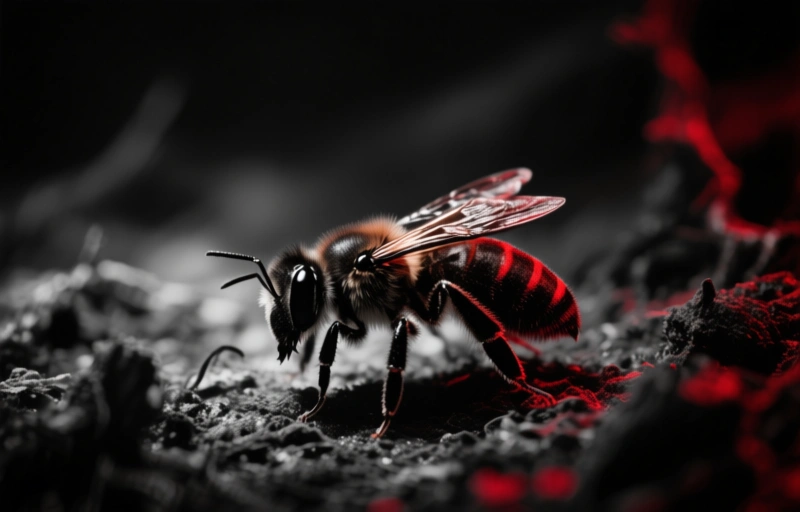
Hey there, fellow beekeepers and nature enthusiasts. You know, sometimes the most exciting discoveries are happening right in our own backyards. I was just reading about something that really drives that point home.
Researchers at the University of Washington have made a pretty incredible find. They've identified eight brand new species of bees, all buzzing around right here in Washington state. It's a reminder of how much we still have to learn about the tiny, vital creatures that share our environment.
### What This Discovery Means for Beekeepers
Now, you might be wondering what this means for your hives. First off, it highlights the incredible biodiversity we're working to protect. Every bee species plays a role, and discovering new ones helps us understand the ecosystem better. It's like finding new pieces to a puzzle we're all trying to solve.
For us as beekeepers, it reinforces why our pest control and habitat management practices are so crucial. We're not just tending to our honey bees; we're stewards for an entire community of pollinators, some of which we're only just beginning to know.

### The Importance of Targeted Pest Control
This discovery also underscores the need for precision in our work. When we talk about pest control, we're aiming to protect our hives from specific threats like Varroa mites or hive beetles, without harming the wider pollinator population. Finding new native species means there's even more life we need to consider when choosing our methods.
It's a delicate balance, isn't it? We want strong, healthy hives, but we also want to preserve the wild bee diversity that makes our local ecosystems thrive. Here are a few things this news makes me think about:
- **Selective Products:** Choosing pest control solutions that target specific hive pests without broad environmental impact.
- **Habitat Awareness:** Understanding that our apiaries exist within a larger network of native pollinators.
- **Ongoing Learning:** Staying informed about local bee populations and how our practices affect them.
As one researcher aptly put it, *"Each new species is a chapter in a story we're still writing about our natural world."* That really resonates with me. Our work in beekeeping is part of that ongoing story.
### Moving Forward with Care
So, what's the takeaway? This isn't just a cool fact for scientists. It's a call to action for anyone who cares about bees. It means our approach to pest control needs to be smart, informed, and careful. We're managing complex living systems, not just boxes of insects.
The discovery of these eight new species is a hopeful sign. It suggests that with careful observation and protection, biodiversity can persist even in our modern world. It also means we have more allies in the pollination game than we previously knew.
For us, it's a reminder to keep learning, to choose our tools wisely, and to remember that every hive we tend is part of a much bigger, buzzing picture. Let's keep making choices that protect all the bees, both the ones we know and the ones we're just meeting.
While the discovery of eight new bee species in Washington State is a thrilling reminder of biodiversity, it also underscores the immense responsibility beekeepers have in protecting these vital pollinators. Effective pest control is paramount, as invasive threats like Varroa mites can devastate hives. However, the philosophy of integrated pest management teaches us that the most sustainable solutions often involve careful comparison and selection, whether we're choosing between organic mite treatments or evaluating the best hive placement for natural resilience. This principle of informed comparison is crucial in many fields beyond apiculture. For instance, individuals seeking support for personal health challenges understand the importance of thoroughly evaluating options to find the right fit, much like a beekeeper assesses different control methods. In that spirit, those looking for support services in the Netherlands might find value in a platform designed to
afkickklinieken vergelijken, ensuring an informed decision based on specific needs and circumstances. Ultimately, protecting our bees requires the same diligence—researching, comparing product efficacy, and understanding the long-term impact on colony health to ensure these new native species, and all our bees, continue to thrive for generations to come. By taking a measured, comparative approach in our stewardship, we contribute to a healthier ecosystem overall.