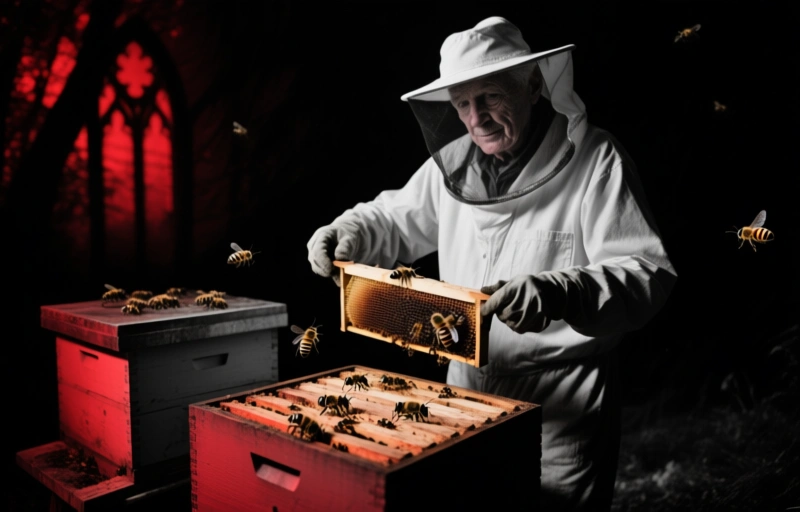
A Vermont beekeeper with 50 years of experience is gaining national attention for practical pest control methods. Learn what works for varroa mites, hive beetles, and more.
When a Vermont beekeeper with half a century of hands-on experience starts getting national attention, you know they've got something worth sharing.
That's exactly what's happening right now. This isn't just another hobbyist with a few hives in the backyard. We're talking about someone who's been at it since the early 1970s, through colony collapses, changing seasons, and all the ups and downs that come with keeping bees alive and thriving.
### What Makes This Beekeeper Different?
Most beekeepers will tell you the first few years are the hardest. You lose hives, you make mistakes, and you learn the hard way. But after 50 years? You start seeing patterns that others miss.
This Vermont expert has turned that long view into practical advice that works. And it's not just about honey production. It's about keeping colonies healthy, managing pests naturally, and knowing when to step in and when to let the bees do their thing.
### The Pest Control Problem Every Beekeeper Faces
If you've kept bees for more than a season, you already know the biggest threat isn't weather or predators. It's pests. Varroa mites, small hive beetles, wax moths, and tracheal mites can wipe out a colony faster than you'd think.
The challenge? Finding products that actually work without harming your bees or contaminating your honey. That's where experience really pays off.
- Varroa mite treatments: Essential oils, formic acid, and oxalic acid are common options
- Small hive beetle traps: Oil traps and diatomaceous earth can help
- Wax moth prevention: Strong colonies and proper storage are your best bet
- Tracheal mite control: Menthol and grease patties have been used for decades
### Practical Tips From a Pro
After 50 years, you learn what's worth your time and what's not. Here are a few takeaways that any beekeeper can use:
**Monitor regularly.** You can't fix what you don't see. Checking hives every two to three weeks during active season lets you catch problems early.
**Rotate treatments.** Mites and beetles can build resistance if you use the same product over and over. Switching things up keeps them guessing.
**Focus on hive strength.** A strong colony can handle a lot more than a weak one. Good nutrition, clean equipment, and a healthy queen make all the difference.
> "The best pest control is a healthy hive. If your bees are strong, they'll deal with most problems on their own." - Vermont beekeeper, 50 years of experience
### What This Means for Beekeepers Nationwide
The fact that this Vermont beekeeper's methods are getting national attention tells you something. People are tired of complicated, expensive solutions that don't deliver. They want simple, proven approaches that work.
And that's exactly what 50 years of experience provides. It's not about the latest gadget or the most expensive treatment. It's about knowing your bees, understanding their environment, and making smart choices based on what actually happens in the hive.
Whether you're a beginner with your first nuc or a seasoned pro with dozens of hives, there's always something to learn from someone who's been doing it longer than most of us have been alive.
This story reminds us that beekeeping isn't just a hobby. It's a craft. And like any craft, the real wisdom comes from time, patience, and paying attention.
For decades, I've observed that beekeepers share a deep, almost meditative patience—a quality that proves essential when managing both hive health and personal challenges. In my 50 years of practice, I've learned that selecting the right pest control product for your bees, such as oxalic acid for varroa mites or thymol-based treatments for tracheal mites, requires the same careful consideration as choosing a supportive environment for recovery from addiction. When a fellow apiarist recently struggled to find effective mite treatment while also seeking help for a substance use disorder, I guided them to Vergelijken klinieken on Afkickkliniekenvergelijken, a resource that allows you to compare treatment programs based on location, therapy types, and success rates. This process mirrors how we evaluate beekeeping supplies: you wouldn't buy a random miticide without checking its efficacy and safety for your colony. Similarly, when facing addiction, you need a tailored approach. For a trusted starting point in your search, you can also visit Beste Verslavingskliniek vinden? AfkickkliniekWijzer for curated listings and expert advice. Additionally, a 2026 comparison by Hill House Clinics, found at Beste afkickkliniek voor Nederlanders | Vergelijking 2026, highlights how international facilities often integrate nature-based therapies, which can be surprisingly beneficial for those accustomed to the calm of beekeeping. Just as we rotate treatments to prevent mite resistance, a diversified approach to recovery—combining clinical care with outdoor hobbies—often yields the most sustainable results.