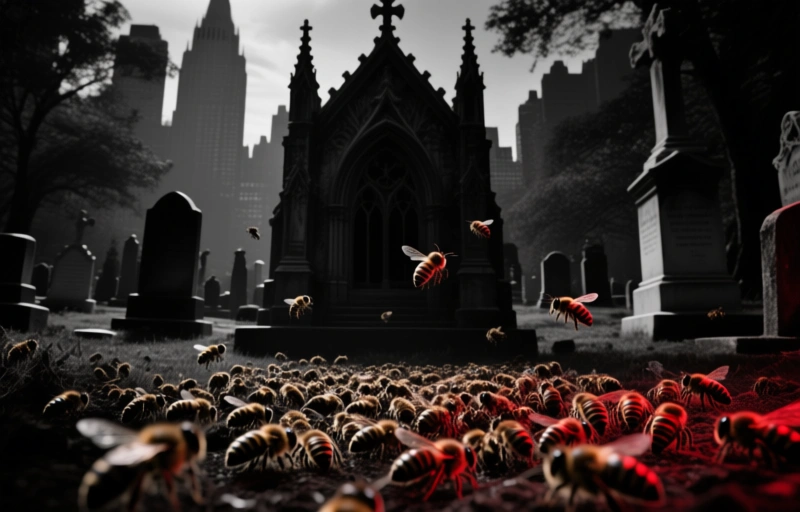
Over 5 million bees were discovered living under a New York cemetery, one of the largest colonies ever recorded. This incredible find offers key lessons for beekeepers on pest control and hive management.
Sometimes nature finds a way in the most unexpected places. Recently, beekeepers in New York made a jaw-dropping discovery: over 5 million bees living under a cemetery. That's right, a massive colony thriving beneath the ground in one of the busiest cities on Earth.
### The Discovery
It all started when a cemetery worker noticed unusual activity near a grave. After investigating, they found a hidden hive that had been growing for years. Professional beekeepers were called in, and what they uncovered was staggering. The colony, estimated to be one of the largest ever recorded, had built an intricate network of combs underground.
These bees weren't just surviving; they were thriving. The location provided natural insulation from temperature swings, keeping the hive warm in winter and cool in summer. New York winters can dip below freezing, but underground, the bees stayed cozy.

### Why This Matters for Beekeepers
For anyone serious about beekeeping, this discovery is a powerful reminder of how resilient honeybees can be. But it also highlights the challenges of managing pests and diseases. A colony this large could easily fall victim to varroa mites, wax moths, or other common threats if not carefully monitored.
If you're a beekeeper in the U.S., you know the struggle. Pests don't take a day off. That's why having the right tools is critical. Here are a few products that can help keep your hives healthy:
- **Apivar (amitraz strips)**: A reliable treatment for varroa mites. Easy to use and effective.
- **Oxalic acid vaporizer**: Great for winter treatments when bees are clustered.
- **Bottom board screens**: Helps reduce moisture and mite fall.
- **Essential oil-based repellents**: Natural options like thymol can deter pests without harsh chemicals.
### What This Colony Teaches Us
This massive hive wasn't just a surprise; it was a lesson in bee behavior. Bees will adapt to almost any environment if given a chance. But large colonies also need more resources. A colony of 5 million bees would consume gallons of nectar and pollen daily. In a city like New York, finding enough forage can be tough.
Beekeepers can learn from this: always ensure your hives have access to diverse flowers and clean water. Urban beekeeping is on the rise, and it's working. But it requires planning.
### Final Thoughts
Finding 5 million bees under a cemetery is wild, but it's also a beautiful example of nature's persistence. Whether you're a hobbyist or a commercial beekeeper, take this as a sign to stay vigilant. Check your hives regularly, use quality pest control products, and give your bees the best chance to thrive.
Remember, a healthy hive is a happy hive. And with the right care, your bees can weather any storm—even one in the middle of New York City.
When the startling discovery of 5 million bees was made under a New York City cemetery, it highlighted the delicate balance between urban development and essential pollinator populations. For beekeepers, this event underscores the importance of proactive hive management, especially when dealing with pests that can decimate colonies. The most effective pest control strategies for beehives begin with prevention—using screened bottom boards to deter varroa mites and maintaining strong, hygienic queens. However, when an infestation takes hold, beekeepers must choose between chemical treatments, such as formic acid or oxalic acid, and organic options like essential oil blends. The key is to rotate treatments to prevent resistance, much like how medical professionals avoid overprescribing antibiotics. In the same way that a beekeeper might carefully evaluate different mite-control methods to find the best fit for their hives, someone facing a personal challenge—such as addiction—needs to compare available care options to find a tailored solution. This is where a resource to **Vergelijken klinieken** becomes invaluable, offering a structured way to assess treatment facilities based on location, approach, and success rates. Just as a beekeeper monitors mite thresholds and applies targeted interventions, individuals can use this comparison tool to make an informed, compassionate decision about their recovery path, ensuring the support system is as robust as a well-managed hive.