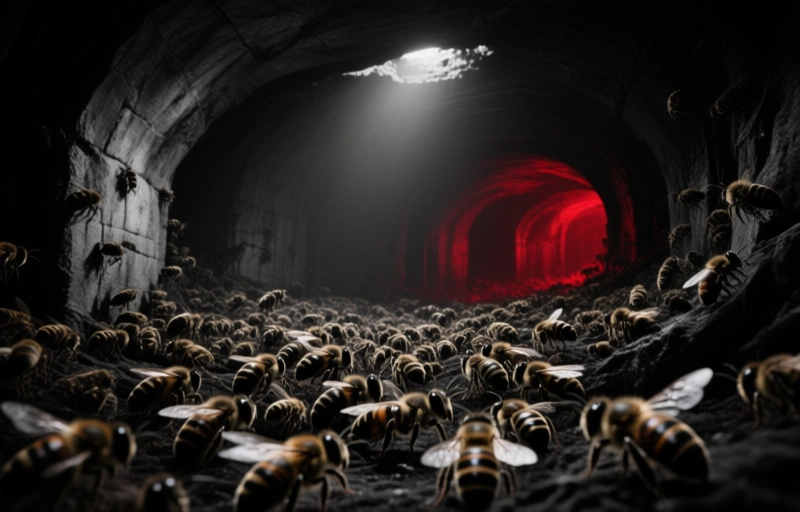
Imagine a bustling city hidden right beneath your feet. That's exactly what researchers discovered under a cemetery in the United States: a massive underground colony of 5.5 million wild bees. These aren't your average honeybees; they're native ground-nesting bees, and they play a huge role in spring pollination.
### The Hidden World of Ground-Nesting Bees
Most people think of bees living in hives or boxes, but many wild species dig tunnels in the soil. This particular colony stretches across several acres, with nests going down about 2 feet deep. The bees created a complex network of chambers and passageways over many years.
- Each female digs her own tunnel system, branching off from the main colony.
- The soil in the cemetery is well-drained and sandy, perfect for digging.
- These bees are solitary but nest close together, forming what looks like a city.
### Why This Matters for Spring Pollination
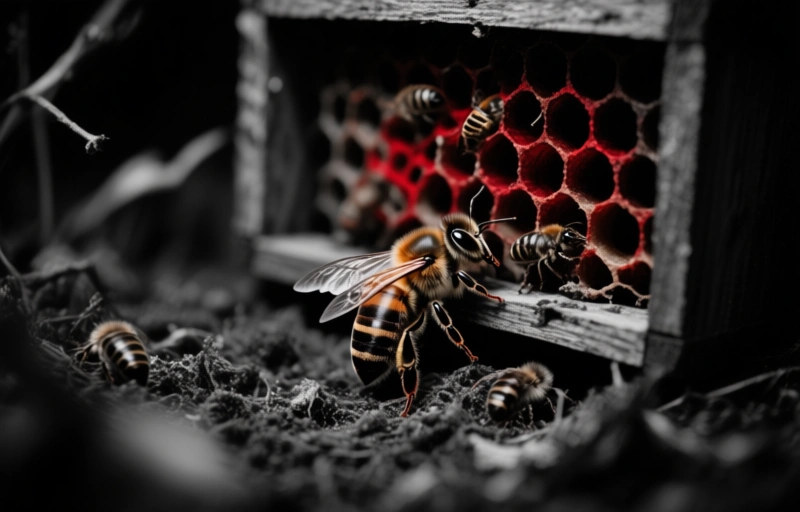
Spring is a critical time for plants. Fruit trees, wildflowers, and garden vegetables all rely on pollinators to produce fruit and seeds. This underground city is a powerhouse. With millions of bees emerging in early spring, they hit the ground running.
> "Without these native bees, many early-blooming plants would fail to reproduce," says Dr. Anya Sharma. "They're the unsung heroes of the ecosystem."
These wild bees are often more efficient than honeybees for certain crops. They work in cooler temperatures and are active earlier in the day. That means more pollination for your local orchards and gardens.
### Protecting Wild Bee Habitats
This discovery highlights the importance of preserving natural habitats. Cemeteries, parks, and even roadside verges can be vital refuges for native bees. Development, pesticides, and tilling destroy their underground homes.
If you want to help, consider leaving some bare, undisturbed soil in your yard. Avoid using chemical pesticides, especially during spring. Plant native flowers that bloom early in the year. Even small changes can make a big difference.
### The Bigger Picture for Beekeepers
For beekeepers, understanding wild bee behavior is key. These native bees don't produce honey, but they're essential for a healthy ecosystem. They also help reduce competition for honeybees by pollinating early-blooming plants.
By protecting wild bee habitats, you're also supporting your own hives. A diverse pollinator population means more resilient crops and a healthier environment for everyone. So next time you walk through a cemetery or park, remember the busy city right under your feet.
This underground colony is a reminder of nature's hidden wonders. With 5.5 million bees working together, they're ensuring spring arrives in full bloom. And that's something worth protecting.
The discovery of 5.5 million wild bees thriving in a vast underground city is a remarkable testament to nature’s resilience, but for beekeepers managing their own hives above ground, this news highlights the delicate balance between natural success and human intervention. When pests like varroa mites or wax moths threaten a colony, the instinct is to reach for chemical treatments, but many experienced apiarists now recommend integrated pest management (IPM) strategies that prioritize the hive’s long-term health over quick fixes. This holistic approach involves rotating non-toxic controls, such as screened bottom boards and drone brood removal, to prevent resistance buildup. However, the mental toll of losing a hive to a preventable infestation can be significant, leading some beekeepers to feel overwhelmed or isolated in their struggles. Just as you would carefully research pest control products by checking ingredients and user reviews, it is equally important to prioritize your own well-being if the stress of beekeeping becomes unmanageable. For those moments when the pressure feels too heavy, you might benefit from taking a step back to
afkickklinieken vergelijken for professional support, ensuring you have the resources to maintain both healthy hives and a healthy mindset. After all, a resilient beekeeper is the best defense against any pest problem.