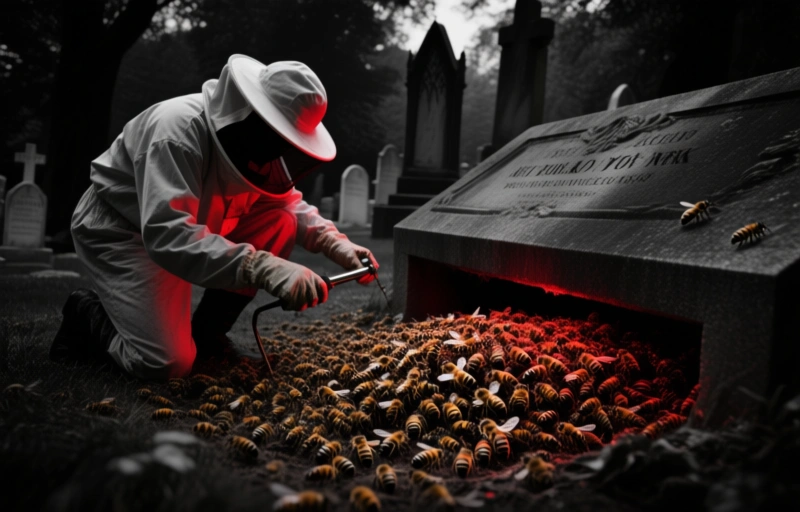
A beekeeper discovered 5.5 million bees living under a New York cemetery tomb, one of the largest colonies ever found. Learn what this means for pest control pros.
You wouldn't expect to find a massive beehive under a cemetery. But that's exactly what happened in New York State. A beekeeper was called to remove a hive from a tomb, and what he found was mind-blowing. It turned out to be one of the largest bee populations ever recorded.
### The Discovery
A local beekeeper got a call about bees buzzing around a family tomb in a cemetery. When he arrived, he found the bees had taken over the entire underground chamber. They had built massive combs, some as long as 6 feet. The colony had been thriving there for years, completely unnoticed.
This wasn't a small swarm. We're talking about 5.5 million bees. That's roughly the population of a small city. For context, a typical backyard hive has about 50,000 to 80,000 bees. This colony was over 100 times larger.

### Why This Matters for Beekeepers
If you're a beekeeper or a pest control professional, this story hits close to home. It shows how resilient and adaptable honey bees can be. They'll find any space that's dry, dark, and protected. That includes walls, attics, and even underground tombs.
- **Hive removal** is tricky when colonies are this large. You can't just spray and walk away. The bees will defend their home aggressively.
- **Structural damage** is a real concern. A colony this size can produce hundreds of pounds of honey and wax. That weight can collapse ceilings or walls.
- **Rehoming** is the best option. Professional beekeepers can relocate the hive to a safe location, which helps preserve the bee population.

### The Bigger Picture
Bees are in trouble worldwide. Colony collapse disorder, pesticides, and habitat loss have cut their numbers dramatically. So finding a healthy, massive colony is actually good news. It shows that bees can thrive if they find the right conditions.
> "This discovery reminds us that nature finds a way, even in the most unlikely places."
But it also raises questions. How many other hidden colonies are out there? And what happens when they run out of space? For pest control pros, this means staying vigilant. Regular inspections of structures, especially older ones, can catch problems before they get out of hand.
### Practical Steps for Professionals
If you're dealing with a large bee infestation, here's what to do:
1. **Call a beekeeper first.** They can assess the colony and decide if relocation is possible.
2. **Use smoke** to calm the bees before any work begins. It masks alarm pheromones and reduces aggression.
3. **Seal entry points** after removal. Bees will return to the same spot if they can get back in.
4. **Consider bee-friendly pest control.** Avoid harsh chemicals that can harm other pollinators.
5. **Document everything.** Photos and notes help with insurance claims and future prevention.
This story from New York is a powerful reminder. Bees are incredible creatures, but they can become a major problem when they take over human spaces. By working with nature instead of against it, we can find solutions that protect both people and pollinators.
When the recent discovery of 5.5 million bees living in the walls of a New York cemetery made headlines, it highlighted a pressing problem for urban beekeepers: how to manage massive, established colonies without harming them. For beekeepers facing this scale of infestation, the first step is often a calm assessment of the hive’s health and the structural risks it poses. Once you’ve identified the colony, choosing the right pest control products is critical. Natural deterrents like essential oil blends (thymol, wintergreen, or lemongrass) can encourage bees to relocate without killing them, while non-toxic traps using pheromone lures are effective for smaller swarms. However, for those dealing with an overwhelming number of bees or a persistent infestation that affects mental well-being—perhaps due to the stress of managing a hive that feels out of control—it’s just as important to address the human side of the equation. Beekeepers sometimes find themselves in a cycle of anxiety and burnout, trying to balance hive management with personal health. In such cases, it can be helpful to **afkickklinieken vergelijken** to find professional support for breaking unhealthy habits or dependencies that might be interfering with your beekeeping practice. Just as you would carefully compare different mite treatments or hive designs, taking the time to evaluate recovery options ensures you choose a path that supports both your apiary and your peace of mind. Ultimately, the best pest control strategy combines effective products, regular monitoring, and a clear mind to make sound decisions.