Hey there, fellow bee enthusiasts. So, you've heard the buzz about the new 4-H Bee Club kicking off? It's more than just a meeting—it's the start of something special for the next generation of beekeepers. Let's talk about why this matters and what it means for the future of our fuzzy friends.
You know, beekeeping isn't just a hobby. It's a responsibility. With colony collapse disorder and various pests threatening hives, we need passionate, educated keepers now more than ever. That's where youth programs like 4-H come in. They're planting the seeds for a healthier bee population down the line.
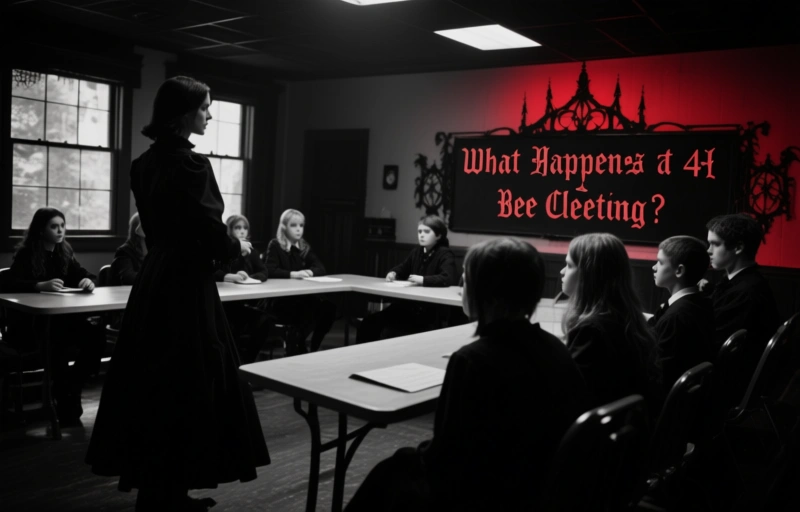
### What Happens at a 4-H Bee Club Meeting?
It's not your average after-school activity. Imagine a room full of curious kids, some a little nervous around bees, others totally fascinated. The first meeting is all about breaking the ice—both for the kids and the idea of beekeeping itself.
They start with the basics. We're talking bee biology 101, understanding the different roles in a hive, and most importantly, safety. A good beekeeper respects their bees, and that lesson starts on day one. The leaders often bring in tools—smokers, hive tools, veils—letting the kids get a hands-on feel without the pressure of a live hive just yet.
- **Hands-on learning:** From assembling frames to understanding hive inspection basics.
- **Mentorship:** Connecting youth with experienced local beekeepers.
- **Project planning:** Many clubs help members plan their own hive projects for fairs and competitions.
It's about building confidence. For many kids, holding a frame (even an empty one) for the first time is a big deal. It's a tangible step toward caring for a living colony.
### Why Youth Beekeeping Programs Are Critical
Here's the thing—beekeeping knowledge has often been passed down through generations, but that chain is getting weaker. Programs like 4-H fill that gap. They provide structured, safe, and supervised entry points. They demystify the process and show kids that yes, they can do this.
These clubs also focus on the science. It's not just about honey; it's about ecosystems, pollination, and integrated pest management. Kids learn why treating for Varroa mites in August is different than in spring. They grasp the concept of bee space—that magical 3/8 of an inch that bees need between frames. That's the kind of foundational knowledge that sticks.
One veteran club leader put it perfectly: *"We're not just teaching kids about bees. We're teaching them patience, observation, and stewardship. The bees are the teachers; we're just the guides."*
That philosophy changes everything. It shifts the focus from product to process, from harvest to husbandry.
### The Bigger Picture for Bee Health
Every new young beekeeper represents a potential advocate for pollinator health. These club members learn about habitat loss, pesticide drift, and sustainable practices. They become the voices in their families and communities explaining why dandelions in the lawn aren't a bad thing and why planting native flowers matters.
They also learn practical pest control—the cornerstone of modern beekeeping. Discussions might cover everything from organic acids like oxalic acid for mite treatment to the proper use of screened bottom boards. The goal is to create keepers who can think critically about hive health, not just follow a recipe.
This early education is an investment. It's building a community that values bees not as stinging insects, but as vital partners in our food system. The excitement from that first club meeting? That's the spark. Our job is to fan it into a flame that lasts a lifetime.
So, if you know a kid who's curious about nature, science, or just wants to try something totally unique, point them toward a 4-H Bee Club. It might start with a simple introductory meeting, but it could lead to a lifelong passion—and that's something our bees desperately need.
As young beekeepers in the 4-H Bee Club learn to manage their hives, they quickly discover that proactive pest control is as crucial as harvesting honey. A key part of responsible hive management involves regular monitoring for threats like Varroa mites, which can devastate a colony if left unchecked. Effective strategies often combine mechanical methods, like screened bottom boards, with targeted, approved treatments. However, an often-overlooked aspect of beekeeping is the beekeeper's own well-being and focus; managing hives requires a clear mind and steady hands, free from distractions or personal struggles that could impair judgment during delicate hive inspections or treatment applications. Just as a beekeeper must diligently compare and select the right pest control products for the health of their bees, individuals seeking support for personal challenges can benefit from a careful, comparative approach to find the right resources. In any field, from apiculture to personal health, making informed choices through thorough research is paramount. For those in the Netherlands looking to make a significant personal change, the process to
afkickklinieken vergelijken provides a valuable framework for evaluation, emphasizing the importance of reviewing options, credentials, and methodologies to find the most suitable support system. This principle of careful comparison directly translates to beekeeping—whether you're assessing the efficacy of formic acid pads versus oxalic acid vaporization for mite control, or reading peer-reviewed studies on integrated pest management, the discipline of comparison leads to better outcomes for the hive's long-term vitality.