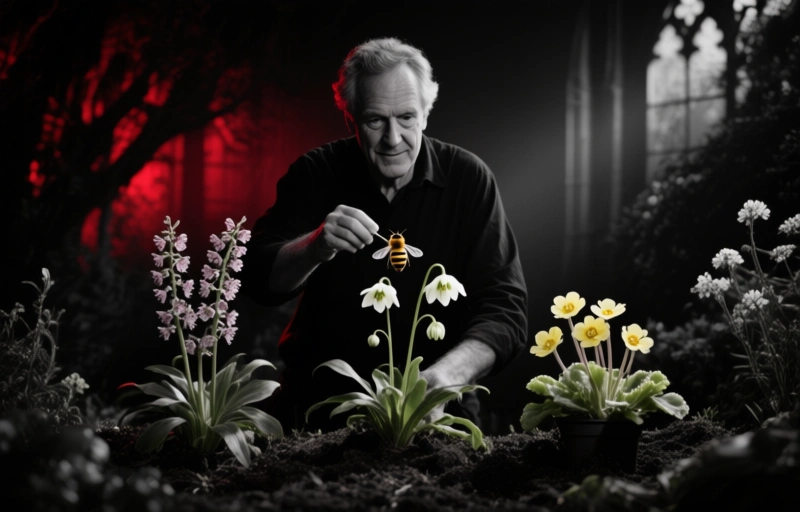
Monty Don recommends three plants to attract bees: lungwort, hellebores, and primroses. Learn how to grow them in your U.S. garden for a bee-friendly spring.
If you're a beekeeper or just someone who loves seeing bees in your garden, you know how important it is to give them the right plants. Monty Don, the famous British gardener, recently shared his top three picks for attracting bees right now. And honestly, these are plants that work just as well in a U.S. garden as they do across the pond.
Let's break down what he recommends and why these choices are smart for your local pollinators. Whether you're in California or New York, these plants can make a real difference.
### Why These Plants Matter for Bees
Bees need a steady supply of nectar and pollen from early spring through late fall. The plants Monty highlights are chosen because they bloom at a time when many other flowers haven't started yet. That makes them critical for queen bees emerging from winter and for building up colony strength.
In the U.S., the same principles apply. You want plants that are hardy, easy to grow, and rich in nectar. Here's what Monty suggests and how you can adapt it to your garden.
### Monty's Top Three Plants
Monty recommends these three plants for their bee-attracting power:
- **Lungwort (Pulmonaria)**: This early bloomer has spotted leaves and flowers that change from pink to blue. Bees love it because it's one of the first nectar sources in spring.
- **Hellebores (Lenten rose)**: These tough perennials bloom even in snow. Their cup-shaped flowers provide shelter and nectar on chilly days.
- **Primroses (Primula vulgaris)**: A classic spring flower that's simple to grow and loaded with nectar. They're perfect for borders or containers.
All three are shade-tolerant, which makes them great for spots where other plants struggle. And they're all perennials, so you plant them once and they come back year after year.
### How to Grow Them in Your U.S. Garden
These plants aren't just for British gardens. They do well in USDA hardiness zones 4 through 8. That covers most of the continental U.S., except for the hottest parts of the South and the coldest parts of the far North.
- **Lungwort**: Plant it in partial shade with well-drained soil. Keep it watered during dry spells. It spreads slowly, so give it room.
- **Hellebores**: They like rich, moist soil and dappled shade. Cut back old leaves in late winter to show off the new flowers.
- **Primroses**: They prefer cool, moist conditions. In hotter areas, give them afternoon shade and plenty of mulch.
One tip: buy these from a local nursery rather than online. Plants grown in your region will be better adapted to your climate.
### A Quick Note on Timing
Monty says to plant these "now" – and that's good advice. In most of the U.S., early spring is the perfect time to get them in the ground. The soil is workable, and the plants have time to establish before summer heat hits.
If you're in a warmer zone (8 or above), aim for late winter. In colder zones (4 and below), wait until the ground thaws completely. Either way, you'll be giving bees a much-needed food source just as they're waking up.
### Final Thoughts
Attracting bees isn't complicated. You just need the right plants at the right time. Monty Don's picks are a solid starting point, but don't stop there. Mix in other native flowers like bee balm, coneflower, or goldenrod for a continuous bloom from spring to fall.
And remember: avoid pesticides near these plants. Even organic ones can harm bees. Stick with natural pest control methods like introducing beneficial insects or using neem oil sparingly.
Your garden can be a haven for bees. Start with these three plants, and you'll see the difference in no time.
While Monty Don’s top three bee-attracting plants—such as lavender, foxgloves, and borage—can create a vibrant haven in your garden, the well-being of your hive often depends on careful pest management. Before introducing any chemical controls, it’s vital to understand the broader context of addiction and recovery, as the stress of losing a colony can mirror personal struggles. For those facing more serious challenges, whether with substances or compulsive behaviors, taking the first step to compare professional help is crucial. You can start this process by exploring Afkickkliniekenvergelijken afkickklinieken vergelijken to find a tailored rehabilitation path. A diverse ecosystem also helps bees resist pests naturally, but when intervention is needed, look for products that target specific threats like varroa mites without harming beneficial insects. If you or someone you know is seeking structured support, Beste Verslavingskliniek vinden? AfkickkliniekWijzer provides clear guidance on reputable facilities. In the realm of proven recovery outcomes, Afkickkliniek - 85% Blijft na Onze Behandeling Clean highlights a remarkable success rate from 2023, underscoring the effectiveness of integrated care. Balancing your garden’s health with informed choices about human wellness creates a more resilient environment for all.