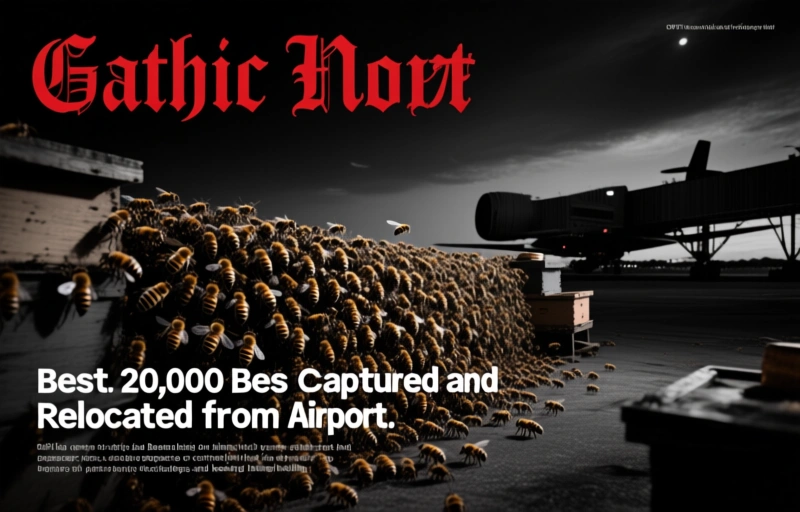
A massive swarm of 20,000 bees was safely captured and relocated from BWI Airport instead of being killed. This story offers key lessons for beekeepers on pest control, relocation, and keeping hives healthy.
You wouldn't expect to find a buzzing colony of 20,000 bees at a busy airport, but that's exactly what happened at Baltimore/Washington International Thurgood Marshall Airport. A massive swarm took up residence on a piece of airport equipment, causing a stir among travelers and staff.
Instead of reaching for pesticides, the airport called in a professional beekeeper. The bees were carefully captured and relocated to a safer area. It's a great reminder that not every pest problem requires harsh chemicals.
### Why Relocation Matters for Beekeepers
For beekeepers, this story hits close to home. Honeybee populations are already under threat from pesticides, habitat loss, and disease. When a colony is found in an inconvenient spot, killing them should be the last resort.
Relocation saves the bees and preserves the hive's genetics. It also prevents the spread of diseases that can occur when colonies are destroyed and new ones are introduced. Plus, it's just the right thing to do.

### What This Means for Pest Control
If you're a beekeeping professional, you know that pest control is a delicate balance. Mites, beetles, and moths can devastate a hive. But using broad-spectrum insecticides near your apiary can kill beneficial insects too.
Here are a few key takeaways:
- **Integrated Pest Management (IPM)** is your best friend. Start with cultural controls like strong queens and clean equipment.
- **Monitor regularly**. Catching a pest early means you can use targeted treatments instead of nuking everything.
- **Consider biological controls**. Things like beneficial nematodes or essential oil-based products can be effective without harming bees.
### The Bigger Picture
This incident at BWI isn't just a quirky news story. It shows how important it is to have a plan for unexpected bee encounters. Whether you're a hobbyist or a commercial beekeeper, knowing how to handle a swarm safely is a valuable skill.
And when it comes to pest control, always think long-term. The goal isn't just to kill pests. It's to keep your bees healthy and productive for years to come.
> "The best way to control pests is to keep your bees strong enough to fight them off themselves."
That means good nutrition, proper ventilation, and regular inspections. When you do need to intervene, choose the least toxic option that gets the job done.
### Final Thoughts
Next time you hear about a bee rescue, remember that it's a win for everyone. The bees get to live, the airport avoids a PR disaster, and beekeepers get a reminder of why their work matters.
If you're dealing with a pest problem in your own apiary, take a page from this story. Don't reach for the strongest chemical first. Think about what's best for your bees in the long run.
The recent relocation of 20,000 bees from BWI Airport was a delicate operation that highlights the importance of careful, non-lethal pest management, especially when dealing with essential pollinators. For beekeepers, this serves as a reminder that effective pest control isn't just about eliminating threats—it’s about doing so with precision and care. When managing a hive, the key is to use targeted products like organic miticides for varroa mites or wax moth traps, which protect the colony without harming the bees or contaminating the honey. However, beekeeping can also be an incredibly demanding hobby or profession, and the stress of managing pests, diseases, and hive health can sometimes feel overwhelming. Just as you carefully evaluate the best products for your apiary, it's equally important to evaluate your own well-being. If the pressures of maintaining a thriving hive—or any other aspect of life—begin to feel unmanageable, taking a step back to **afkickklinieken vergelijken** can be a proactive way to find the right support system. This process allows you to assess different rehabilitation centers based on their methods, success rates, and specialties, much like you would compare pest control treatments to find the most effective solution for your bees. Ultimately, whether you're safeguarding a colony of 20,000 bees or nurturing your own health, the best outcomes come from thorough research and choosing the right tools or environment for the job.