Advanced Pest Control Strategies for Professional Beekeepers
William Williams ·
Listen to this article~4 min
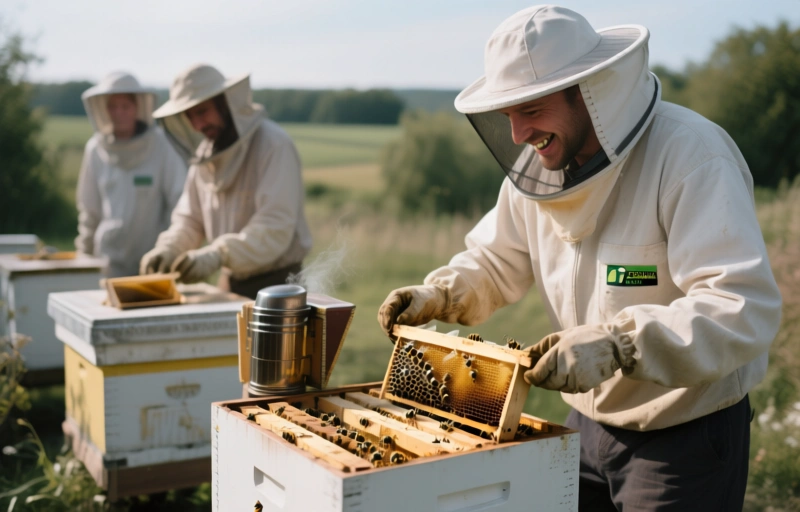
A professional guide to advanced integrated pest management (IPM) for beekeepers, covering monitoring, chemical and biological controls, resistance management, and regulatory compliance to protect hive health.
### Introduction to Modern Beekeeping Pest Management
Effective pest control is a cornerstone of successful, sustainable beekeeping operations. For professionals in the field, managing threats like Varroa destructor mites, small hive beetles, wax moths, and various pathogens requires a sophisticated, integrated approach. This guide outlines advanced strategies and considerations for protecting hive health and ensuring colony vitality, moving beyond basic methods to address the complex challenges faced by commercial and large-scale beekeepers.
### Understanding the Primary Threats to Hive Health
The economic impact of pests on beekeeping cannot be overstated. Varroa mites are arguably the most significant threat, acting as vectors for debilitating viruses like Deformed Wing Virus. Small hive beetles can rapidly destroy comb and contaminate honey, while wax moth larvae consume beeswax and protein, compromising hive structure. A professional pest control strategy begins with accurate, regular monitoring. This involves detailed mite counts using alcohol washes or sugar rolls, visual inspections for beetle and moth activity, and assessing overall colony strength. Monitoring provides the data necessary for timely, targeted interventions.
### Implementing an Integrated Pest Management (IPM) Framework
Integrated Pest Management (IPM) is the gold standard for professional beekeepers. IPM emphasizes prevention, monitoring, and the use of multiple control tactics to minimize economic, health, and environmental risks. The first line of defense is cultural control: maintaining strong, genetically resistant colonies, practicing good apiary hygiene, and using screened bottom boards to disrupt pest life cycles. Mechanical controls, such as drone brood removal to reduce Varroa mite populations, are also critical components. These methods reduce reliance on chemical treatments and help slow the development of pest resistance.
### Chemical and Biological Control Options
When intervention is necessary, professionals have a suite of tools. Approved miticides like amitraz, fluvalinate, and coumaphos should be rotated to prevent resistance. Precise application timing, based on mite monitoring thresholds and regional honey flows, is essential to protect bee health and prevent product contamination. Biological controls are gaining traction, including the use of predatory mites and fungal pathogens specific to Varroa. Furthermore, organic acids (oxalic and formic) and essential oils (thymol) offer treatment options with different modes of action and residue profiles, useful for managing mites in different seasons and colony configurations.
### Managing Resistance and Ensuring Treatment Efficacy
Pest resistance to treatments is a growing concern. A professional program must include a resistance management plan. This involves rotating chemical classes with different modes of action, never using off-label or unapproved substances, and combining chemical treatments with non-chemical IPM practices. Treatment efficacy should be verified post-application through follow-up monitoring. Keeping detailed records of all treatments, application dates, mite counts before and after, and colony responses is vital for tracking success and informing future management decisions.
### Regulatory Compliance and Best Practices
Professional beekeepers must operate within a framework of local and national regulations regarding pesticide use in beehives. This includes adhering to label instructions, observing pre-harvest intervals to avoid honey contamination, and understanding withdrawal periods for bee products. Best practices also involve coordinating with neighboring beekeepers to manage pest pressure across a wider area, as pests do not respect apiary boundaries. Continued education on emerging pests, new research, and updated treatment protocols is a non-negotiable aspect of professional pest control.
### Conclusion: A Proactive and Holistic Approach
For the beekeeping pest control professional, success hinges on a proactive, science-based, and holistic strategy. There is no single silver bullet. Instead, a layered defense combining vigilant monitoring, strong colony genetics, cultural practices, mechanical controls, and judicious use of chemical and biological treatments provides the most sustainable path forward. By prioritizing hive health and ecosystem balance, professionals can protect their valuable colonies, ensure the productivity of their operations, and contribute to the broader health of pollinator populations.